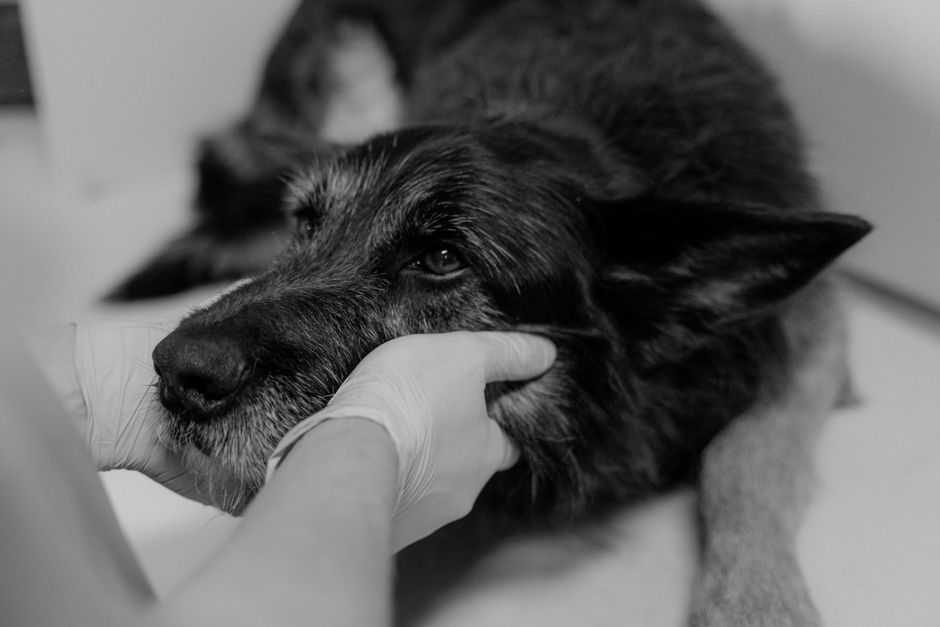
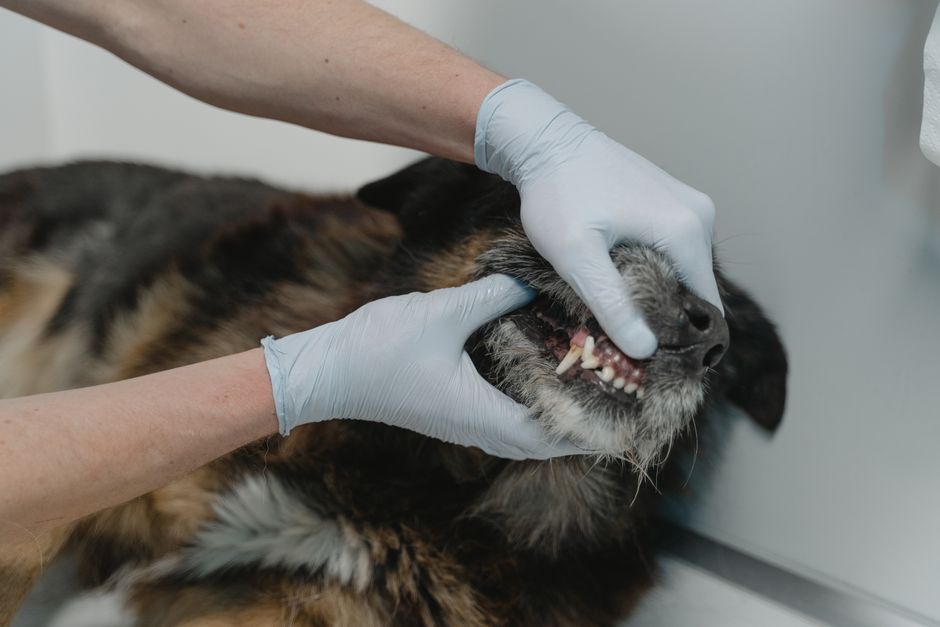
Why Prompt Care Matters for Pet Dental Emergencies

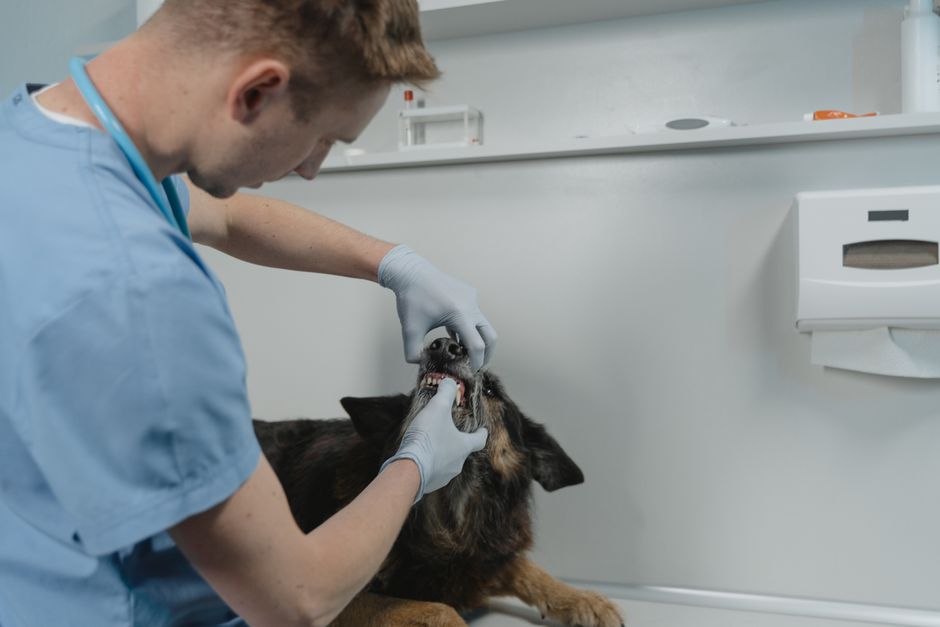
Why Prompt Care Matters for Pet Dental Emergencies
When your dog or cat suddenly stops eating, is drooling excessively, or paws at their mouth, it is natural to worry. Dental emergencies in pets can happen without warning, leaving owners feeling anxious about their animal’s pain and what to do next. At Florida Veterinary Dental Services, located at 4101 Turtle Creek Drive, Coral Springs, FL 33067, we understand how distressing it is to see your pet in discomfort. Our specialty veterinary dental and oral surgery center is dedicated to providing advanced, compassionate care for urgent dental injuries, oral trauma, and sudden oral pain. In this guide, you will learn how to recognize dental emergencies in your pet, understand why prompt intervention matters, and discover how a veterinary dental specialist can relieve pain, prevent complications, and restore your pet’s quality of life. Whether you live in Coral Springs or a surrounding community, knowing when and how to seek specialty dental care can make all the difference for your pet’s health and comfort.
Recognizing a Dental Emergency in Your Pet
It is not always easy to tell when your pet’s mouth pain is an emergency, but there are certain signs that should never be ignored. Key symptoms of a dental emergency include sudden refusal to eat or difficulty chewing, noticeable swelling around the face or jaw, persistent drooling that may be tinged with blood, or a tooth that appears fractured or discolored. Other warning signs to watch for are your dog or cat pawing at their mouth, emitting foul odors from the mouth, or yelping when eating or playing with toys. In some cases, you might notice visible oral injuries, such as bleeding gums, lacerations, or loose teeth. These symptoms are your pet’s way of telling you that something is wrong. If you observe any of these behaviors or physical changes, your pet may be experiencing significant oral pain or infection, which can escalate quickly without veterinary attention.
It is important to remember that some pets will hide their discomfort. Cats, in particular, are masters at masking pain. Subtle changes, such as decreased grooming or reluctance to eat crunchy food, can be just as significant. Trust your instincts; if your pet’s behavior changes suddenly, or if you notice any of the above symptoms, it is essential to act promptly to prevent further suffering.
Why Dental Emergencies Happen: Common Causes in Dogs and Cats
Dental emergencies in pets often happen unexpectedly, but understanding what causes them can help you act quickly when every moment counts. One of the most common causes is trauma, which can result from accidents like falls, being hit by a car, or even vigorous play. Chewing on hard objects such as bones, antlers, or nylon toys can also fracture teeth or cause oral lacerations. Other frequent culprits include advanced periodontal disease, where infection and inflammation have weakened the gums and bone supporting the teeth, making them more prone to abscesses, loose teeth, or sudden pain.
Fractured teeth are a leading reason for urgent dental visits. When the protective enamel and dentin are broken, the sensitive pulp inside the tooth becomes exposed to bacteria, causing severe pain and infection. Infections can spread rapidly from the mouth to other parts of the body, especially in pets with underlying health conditions or compromised immune systems. Oral tumors, foreign objects lodged in the mouth, and complications from previous dental procedures can also trigger emergencies. Senior pets and those with chronic conditions like diabetes may be at higher risk for oral infections and delayed healing.
No matter the cause, prompt treatment is essential to stop pain, prevent infection from spreading, and avoid further complications that could threaten your pet’s overall health.
How a Veterinary Dental Specialist Treats Pet Dental Emergencies
When your pet faces a dental emergency, specialized care can make a life-changing difference. At Florida Veterinary Dental Services, our team—led by Dr. Fuentes—uses advanced diagnostic tools and treatment protocols designed specifically for urgent oral issues in dogs and cats. The first step is a thorough oral examination, often accompanied by intra-oral dental radiology to assess the extent of damage or infection. Dental X-rays help us identify hidden problems, such as root fractures or deep abscesses, that may not be visible during a routine exam.
Treatment approaches depend on the nature of the emergency. For fractured teeth, options may include root canal therapy to save the tooth, or complex dental extractions if the tooth cannot be restored. Oral injuries caused by trauma may require surgical repair of soft tissues, removal of foreign objects, or stabilization of facial fractures. Pain management is always a priority; our oral pain management protocols are tailored to each patient’s needs using safe, effective medications and, in some cases, laser therapy.
If infection is present, we may prescribe antibiotics and perform procedures to drain abscesses or address necrotic tissue. Advanced imaging, such as CT scans or fluoroscopy, helps us plan complex surgeries and ensure precise treatment. Throughout every step, our veterinary dental team focuses on alleviating your pet’s pain, minimizing stress, and restoring normal function as quickly as possible.
Preventing Dental Emergencies: Home Care and Routine Monitoring
While not all dental emergencies are preventable, proactive home care and regular monitoring can greatly reduce your pet’s risk. Brushing your dog or cat’s teeth daily with a pet-safe toothpaste helps remove plaque and keep gums healthy. Offering dental chews approved by your veterinarian and avoiding hard toys or bones that can fracture teeth is equally important. Scheduling professional dental cleanings and wellness examinations allows your veterinary team to detect early signs of periodontal disease, broken teeth, or oral tumors before they become emergencies.
Observe your pet closely for changes in eating habits, breath odor, or oral appearance. Early intervention for small problems—such as mild gum inflammation or chipped teeth—can prevent more serious issues down the road. For pets with a history of dental disease or those in their senior years, more frequent exams and specialized care may be recommended to catch problems early and maintain oral health.
If you are unsure about the safest dental products, brushing technique, or dietary choices, your veterinary dental specialist can provide personalized guidance tailored to your pet’s needs, breed, and medical history.
When to Seek Veterinary Dental Care: Knowing What’s Urgent
Deciding when to seek emergency dental care can be challenging, but certain situations always warrant immediate attention. If your pet has visible oral trauma, is bleeding from the mouth, or has a tooth that is fractured and exposing the pulp, urgent evaluation by a veterinary dental specialist is needed. Additional red flags include rapid facial swelling, difficulty breathing or swallowing, sudden inability to close the mouth, or any sign of extreme pain such as constant whining or withdrawal.
For less obvious concerns—like subtle changes in eating, mild drooling, or intermittent discomfort—it is still wise to contact your veterinarian for advice. In many cases, a referral to a specialty center like Florida Veterinary Dental Services will provide access to advanced diagnostics and treatment options not available at general practices. Our emergency care services are designed for situations when your regular veterinarian recommends immediate specialist intervention or when your pet’s condition is rapidly deteriorating.
Do not attempt to treat oral injuries, broken teeth, or suspected infections at home; improper handling can worsen pain or introduce new complications. Timely, professional care is the safest path to relief and recovery for your pet.
How Specialty Dental Care Protects Your Pet’s Overall Health
Prompt, expert treatment of dental emergencies does more than relieve pain—it can safeguard your pet’s general wellbeing. Oral infections can enter the bloodstream and affect vital organs, including the heart, liver, and kidneys. Chronic pain from untreated dental problems can alter your pet’s behavior, appetite, and enjoyment of daily life. By addressing issues quickly and completely, a veterinary dental specialist can help your pet return to normal activities, improve their quality of life, and reduce the risk of long-term health complications.
Our advanced facility is equipped to manage complex oral cases in a safe, controlled environment, using the latest surgical techniques, anesthesia protocols, and pain management strategies. Each patient receives individualized attention and follow-up care, ensuring the best possible outcome.
If you are worried about your pet’s mouth or have questions about dental emergencies, our team is always ready to support you with expert advice and compassionate care.
Take Action: Protect Your Pet from Dental Emergencies
Dental emergencies can be frightening, but you are not alone. The team of veterinary dental professionals at Florida Veterinary Dental Services is committed to providing urgent, specialized care for dogs and cats in Coral Springs and surrounding communities. If you notice signs of oral pain, trauma, or sudden changes in your pet’s eating or behavior, do not wait. Prompt evaluation and treatment are essential to relieving discomfort and preventing further complications.
For more information about our advanced dental services, or to schedule an appointment for your pet’s urgent dental needs, contact us at (954) 396-9660 or visit our emergency care page. Our state-of-the-art center at 4101 Turtle Creek Drive, Coral Springs, FL 33067 is ready to help your pet feel better, faster.
When searching for a specialty dental vet near me, trust a team with the expertise, technology, and compassion your pet deserves. Your pet’s comfort, safety, and long-term health are always our top priorities. If you are ever uncertain about your pet’s dental health, reach out—timely care is the best gift you can give your four-legged family member.
This article is intended for informational purposes and does not replace professional veterinary diagnosis or treatment. Always consult your veterinarian or a veterinary dental specialist for specific concerns about your pet’s oral health.