Dog Mouth Cancer Symptoms: Early Warning Signs to Watch For

Dog Mouth Cancer Symptoms: Early Warning Signs to Watch For
Mouth cancer in dogs is a serious condition that can develop quietly, often going unnoticed until advanced stages. As a pet owner, understanding the early symptoms of mouth cancer in dogs is crucial for timely intervention and better outcomes. At Florida Veterinary Dental Services, a specialist veterinary dental and oral surgery center located at 4101 Turtle Creek Drive, Coral Springs, FL 33067, we see many cases where prompt action has made all the difference for our canine patients. This blog will help you recognize dog mouth cancer symptoms, explain what causes these conditions, discuss available treatments, and guide you on when to seek expert care from our veterinary dental specialists. If you’re in Coral Springs or the surrounding communities, knowing what to watch for can empower you to act quickly and provide your dog with the best possible care.
Recognizing Dog Mouth Cancer Symptoms: What Every Pet Owner Should Know
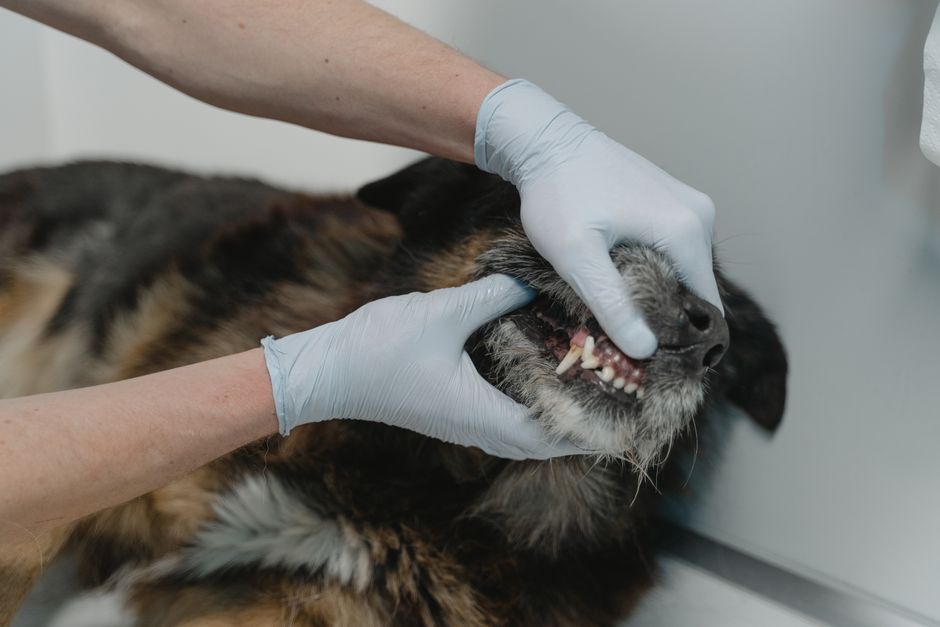
Dog mouth cancer symptoms can vary depending on the type and location of the tumor. Early detection is vital, as tumors in the oral cavity can progress rapidly and impact your dog’s ability to eat, drink, and enjoy life. Key symptoms include the appearance of unusual lumps or masses inside your dog’s mouth, persistent bad breath that does not improve with dental cleanings, and bleeding from the gums or other areas in the mouth. Owners may also notice loose teeth that are not related to age or trauma, difficulty chewing or swallowing, and excessive drooling. Some dogs show signs of face swelling, which can affect the jaw, cheeks, or area beneath the eye, and in more advanced cases, you might observe visible facial deformities.
Other warning signs are reluctance to eat hard food, pawing at the mouth, or sudden changes in temperament such as irritability or withdrawal. While some of these symptoms might be caused by less serious dental issues, any abnormality that persists for more than a few days warrants a professional evaluation. Chronic oral pain or unexplained weight loss are also red flags. If you observe any of these dog mouth cancer symptoms, a prompt wellness examination is the first step toward a clear diagnosis and treatment plan.
Understanding Why Mouth Cancer Occurs in Dogs
Oral tumors in dogs can be caused by a variety of factors, some of which are still being studied. Genetics play a significant role, with certain breeds being more predisposed to specific types of oral cancer, such as melanomas, fibrosarcomas, and squamous cell carcinomas. Environmental influences, such as exposure to tobacco smoke or certain chemicals, have been linked to increased risk. Chronic inflammation from untreated dental disease may also contribute to the development of oral tumors, making routine dental care essential for prevention.
Age is another important factor, as older dogs are more likely to develop mouth cancers, though tumors can occur in younger dogs as well. Some studies suggest that male dogs may be slightly more affected than females, but all dogs are at risk. The location and type of tumor influence how quickly symptoms appear and how aggressively the cancer behaves. Understanding these underlying causes highlights the importance of regular dental checkups and early intervention, especially if your dog has a history of dental disease or belongs to a higher-risk breed.
Advanced Treatment Options for Dog Mouth Cancer in Coral Springs
When dog mouth cancer symptoms are identified, specialized care from a veterinary dental and oral surgery team is essential. At Florida Veterinary Dental Services, we offer a comprehensive range of advanced diagnostic and surgical treatments tailored to your dog’s needs. The first step involves a thorough oral examination, often supported by advanced imaging such as intra-oral dental radiology, CT scans, or fluoroscopy to determine the tumor’s size, location, and involvement with surrounding structures.
Treatment approaches depend on the type and stage of the tumor. Surgical removal is the most common and effective option for many oral cancers. Our veterinary dental specialists are skilled in complex procedures such as oral and facial tumor surgery and oral oncology surgery, using precise techniques to maximize tumor removal while preserving as much healthy tissue as possible. In select cases, reconstructive surgery may be needed to restore function and appearance after tumor removal.
Adjunct therapies, including cryotherapy, pain management, and dental laser treatments, are available to support healing and comfort. For some aggressive or inoperable tumors, referral to a veterinary oncologist for radiation or chemotherapy may be recommended. Throughout treatment, our team works closely with your primary veterinarian to ensure seamless care and ongoing support.
Home Care and Prevention: What Pet Owners Can Do
While not all cases of mouth cancer in dogs are preventable, proactive oral health care can reduce your dog’s risk and support early detection. Regularly examine your dog’s mouth at home, looking for any changes in gum color, new lumps, or unusual odor. Brushing your dog’s teeth with veterinarian-approved products, providing dental chews, and scheduling routine professional cleanings can help minimize the risk of chronic inflammation and dental disease.
Monitoring your dog’s eating habits, watching for changes in chewing, swallowing, or appetite, provides valuable clues to emerging oral health problems. If your dog is a breed known to be predisposed to oral cancers, even more frequent checks and early intervention are recommended. Remember, even the most attentive home care does not replace the need for regular veterinary dental wellness exams, which can identify subtle changes before they become advanced.
When to Seek Veterinary Dental Care for Dog Mouth Cancer Symptoms
Knowing when to seek expert help is key to your dog’s long-term health and comfort. You should contact a veterinary dental specialist if you notice persistent bad breath, unexplained bleeding, facial swelling, or any abnormal growths in your dog’s mouth. Immediate attention is needed if your dog is unable to eat, is in obvious pain, or shows signs of rapid tumor growth.
Emergency situations, such as sudden oral bleeding or difficulty breathing, require prompt intervention. Our team at Florida Veterinary Dental Services is equipped to provide emergency veterinary dental care in Coral Springs and the surrounding communities, ensuring your dog receives specialized attention without delay. If your dog’s primary veterinarian identifies a suspicious oral mass, a referral to our practice allows for advanced diagnostics and treatment options not available in a general practice setting.
Supporting Your Dog Through Diagnosis and Recovery
Learning that your dog may have mouth cancer can feel overwhelming, but you are not alone. Our veterinary dental specialists are committed to guiding you and your dog through every stage of diagnosis, treatment, and recovery. We believe in clear communication, compassionate care, and the highest standards of veterinary dentistry. Together, we can improve your dog’s quality of life and give you peace of mind, knowing that you are providing the best possible support.
Recovery from oral surgery may involve dietary adjustments, special medications, and follow-up visits to monitor healing. Our team will provide tailored advice for home care and ongoing monitoring, ensuring your dog remains as comfortable as possible throughout the process.
Take Action: Early Detection Saves Lives
Recognizing dog mouth cancer symptoms early can dramatically improve your dog’s chances of successful treatment and a comfortable life. If you notice any warning signs such as persistent bad breath, unusual lumps, or difficulty eating, do not wait to seek expert help. Contact Florida Veterinary Dental Services at (954) 396-9660 or visit us at 4101 Turtle Creek Drive, Coral Springs, FL 33067 to schedule a comprehensive evaluation with our veterinary dental team. When searching for a specialty dental vet near me, trust our experienced professionals to provide advanced care for your dog’s oral health.
For more information on oral tumors and the specialized services we provide, explore our oral and facial tumor surgery and oral oncology surgery pages. Early diagnosis and timely treatment make all the difference; let our team be your partner in safeguarding your dog’s oral health and well-being.
This blog is intended for informational purposes only and should not be considered a substitute for professional veterinary advice. If you are concerned about your dog’s oral health or notice any dog mouth cancer symptoms, please consult with a veterinary dental specialist promptly.