Protecting Your Dog’s Smile: Preventing Dental Disease in Florida

Protecting Your Dog’s Smile: Preventing Dental Disease in Florida
Are you worried about your dog’s dental health as temperatures rise in Coral Springs and the humidity sets in? Dental disease can quickly sneak up on even the most attentive pet owners, especially in Florida’s unique climate. At Florida Veterinary Dental Services, located at 4101 Turtle Creek Drive, Coral Springs, FL 33067, our team of veterinary dental specialists is dedicated to helping you protect your dog’s teeth and gums all year long. In this guide, we will explore how Florida’s hot, humid environment can affect your dog’s oral health, the signs of dental disease, how to prevent problems at home, and when it’s time to seek specialized dental care. Whether you’re in Coral Springs or one of the surrounding communities, understanding how to keep your dog’s smile healthy is an important part of responsible pet ownership.
Recognizing Dental Disease in Dogs: What Every Florida Pet Owner Should Watch For
Dental disease in dogs is surprisingly common, and it often goes unnoticed until more advanced stages. In the early phases, you might not see obvious discomfort in your dog, but subtle changes can signal that something is wrong. Key symptoms of dental disease include persistent bad breath, yellow or brown tartar buildup on the teeth, red or swollen gums, and visible discomfort when eating. Some dogs may start dropping food, chewing on only one side of the mouth, or refusing harder treats and toys. As dental problems progress, you may notice bleeding from the gums, loose teeth, or even swelling around the face or jaw. Behavioral changes, such as irritability or withdrawal, can also indicate oral pain. Florida’s climate, with its frequent rain and high humidity, can accelerate tartar accumulation and bacterial growth, making regular checks even more important. If you notice any of these changes, it’s time to take a closer look and consider a professional dental evaluation.
Why Florida’s Climate Increases Dental Disease Risk
While dental disease is a risk for dogs everywhere, Florida’s environment presents unique challenges. The combination of warm temperatures and high humidity creates ideal conditions for bacteria to thrive in your dog’s mouth. This accelerates the formation of plaque, which quickly hardens into tartar. As tartar builds up, it pushes bacteria below the gumline, leading to inflammation, infection, and periodontal disease. Dogs that spend time outdoors, especially in the summer, may also encounter more debris and organic material that can get trapped in their teeth and gums. Additionally, the local diet—including treats and chews that are popular in the region—can sometimes contribute to dental problems if not selected carefully. Regular exposure to standing water, such as puddles or lakes, may also increase the risk of oral infections in adventurous dogs. All these factors make dental care an essential part of pet health in Coral Springs and neighboring Florida communities.
Advanced Veterinary Dental Care: How a Specialist Can Help Your Dog
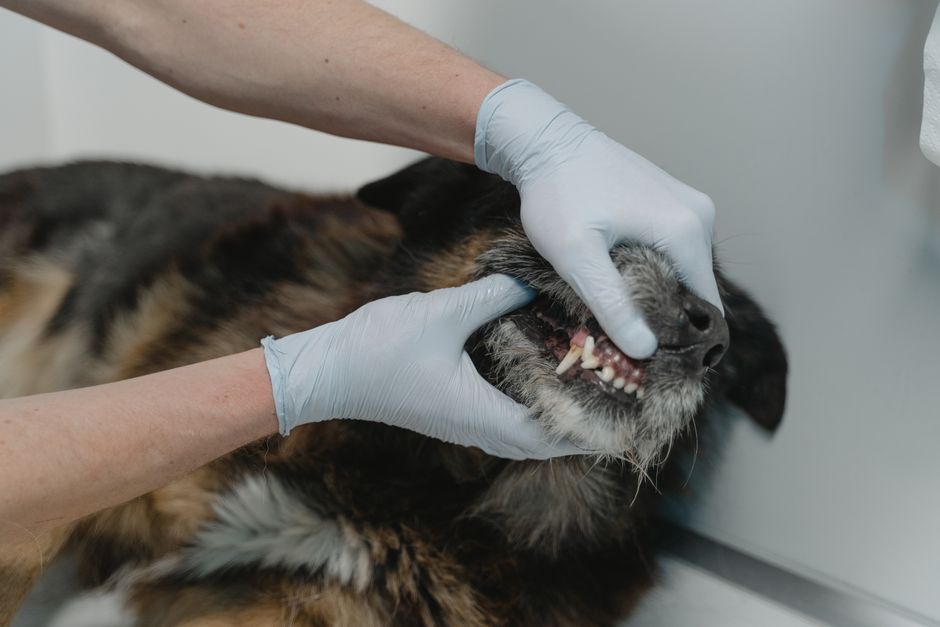
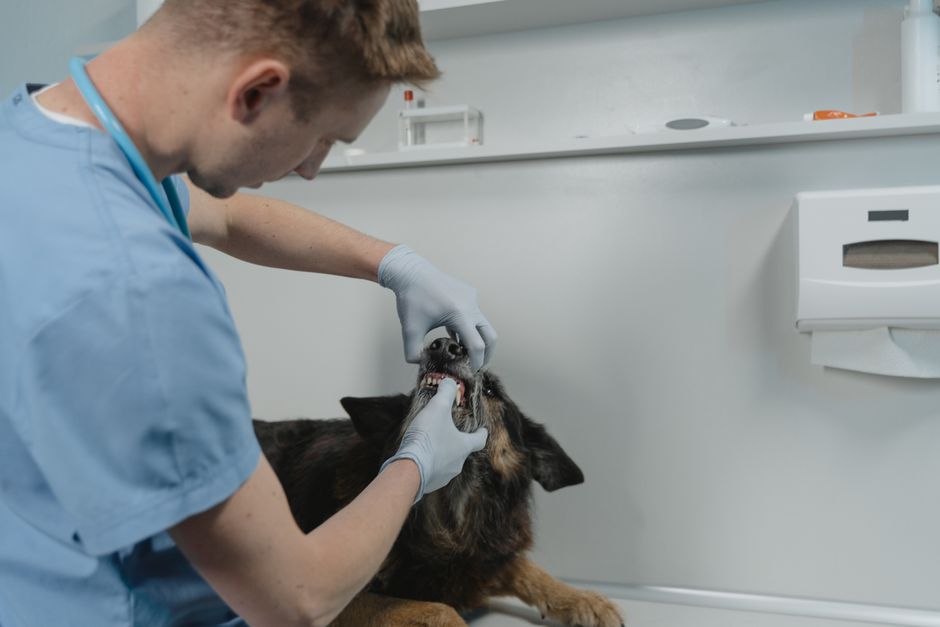
When dental disease is identified in your dog, professional care is the safest and most effective way to restore oral health. At Florida Veterinary Dental Services, our veterinary dental specialists use advanced techniques and equipment to diagnose and treat dental issues in dogs. The process begins with a thorough dental examination, often accompanied by dental radiographs to assess the health of the teeth below the gumline. For dogs with significant tartar buildup or early signs of periodontal disease, a professional pet dental cleaning is performed under anesthesia, allowing for precise scaling, polishing, and assessment of each tooth.
In cases where periodontal disease is advanced, our team may recommend periodontal surgery to remove infected tissue and save as many teeth as possible. For dogs experiencing oral pain or trauma, our specialists can provide targeted oral pain management and, when necessary, advanced procedures such as root canal therapy, extractions, or even jaw and facial fracture repairs. With state-of-the-art imaging and surgical capabilities, we are equipped to handle complex dental cases referred from general veterinary practices across the region. By addressing both the visible and hidden aspects of dental disease, we help restore your dog’s comfort and quality of life.
Preventing Dental Disease at Home: Tips for Florida Pet Owners
While specialty dental care plays a vital role in treating advanced conditions, prevention always starts at home. Consistent oral hygiene can dramatically reduce the risk of dental disease in your dog. Daily tooth brushing with dog-safe toothpaste is one of the most effective strategies. If daily brushing isn’t possible, aim for several times a week, focusing on the outer surfaces of the teeth where plaque builds up most rapidly. Dental chews and treats designed to reduce tartar can help, but they are most effective when used in conjunction with brushing and professional cleanings. Regularly inspect your dog’s mouth for any signs of red gums, bad breath, or damaged teeth, especially after outdoor adventures in Florida’s parks or beaches.
Access to fresh, clean water helps rinse away food particles and bacteria, supporting overall oral health. Avoid giving your dog hard objects like bones or antlers, which can fracture teeth. Instead, opt for toys and chews recommended by your veterinarian. Schedule routine veterinary dental checkups, even if your dog appears healthy, as many problems develop below the gumline and are not visible to the naked eye. By combining vigilant home care with professional support, you can help your dog maintain a bright, healthy smile through every Florida season.
When Should You Seek Specialized Veterinary Dental Care?
Knowing when to consult a veterinary dental specialist is essential for your dog’s long-term health. If your primary veterinarian identifies moderate to severe dental disease, persistent bad breath, or oral pain that does not resolve with basic treatment, a referral to a specialty dental practice is recommended. Additional warning signs include unexplained drooling, difficulty chewing, pawing at the mouth, or sudden changes in eating habits. Dogs with chronic health issues, such as diabetes or immune system disorders, may also benefit from advanced dental evaluations, as oral infections can complicate underlying conditions.
If your dog experiences facial swelling, bleeding from the mouth, or trauma to the jaw or teeth, prompt attention from a veterinary dental specialist is critical. Our team at Florida Veterinary Dental Services is experienced in managing both routine and emergency dental cases, ensuring that your pet receives the highest standard of care. Scheduling a wellness examination with a veterinary dental professional can help catch issues early and provide you with a customized plan for ongoing oral health.
Supporting Your Dog’s Smile in Coral Springs and Beyond
Maintaining your dog’s dental health is a year-round commitment, especially in Florida’s hot and humid climate. By recognizing the early signs of dental disease, understanding how the environment affects your dog’s mouth, and taking proactive steps at home, you can significantly reduce the risk of painful and costly oral problems. When you need advanced care, trust the expertise of Florida Veterinary Dental Services. Our veterinary dental specialists are here to partner with you and your primary veterinarian to provide comprehensive, compassionate solutions for your dog.
If you are searching for a specialty dental vet near me, or need advice on your dog’s oral health in Coral Springs and surrounding communities, our team is ready to help. For more information, or to schedule a consultation, call us at (954) 396-9660 or visit our location at 4101 Turtle Creek Drive, Coral Springs, FL 33067. To learn more about our pet dental cleaning and periodontal surgery services, explore our website or reach out to our veterinary dental specialists for guidance. Your dog’s smile is worth protecting—let us help you keep it healthy for years to come.
This blog is for informational purposes only and does not replace professional veterinary advice. If you notice any concerning signs or changes in your dog’s oral health, please consult your primary veterinarian or a veterinary dental specialist promptly.