What to Expect From a Pet Dental Specialist Visit

What to Expect From a Pet Dental Specialist Visit
Is your dog or cat scheduled for advanced dental care in Coral Springs? When your primary veterinarian recommends a visit to a veterinary dental specialist, you may feel a mix of concern and curiosity about what this experience will involve for your pet. At Florida Veterinary Dental Services, located at 4101 Turtle Creek Drive, Coral Springs, FL 33067, our team of board-certified veterinary dental professionals is dedicated to making each visit as smooth and comfortable as possible for both pets and their owners. Whether your companion is coming in for a complex dental cleaning, oral surgery, or advanced imaging, understanding what to expect from a specialist appointment can help ease your mind and prepare you for each step. In this guide, we will explore the signs your pet may need specialty dental care, what causes dental conditions in dogs and cats, the advanced treatments offered at our practice, and what happens during the visit. We will also discuss preventive tips you can use at home and how to know when it's time to seek professional help. By the end, you will be fully informed about what a pet dental specialist visit entails and how our expertise can benefit your pet’s oral and overall health.
Recognizing When Your Pet Needs a Dental Specialist
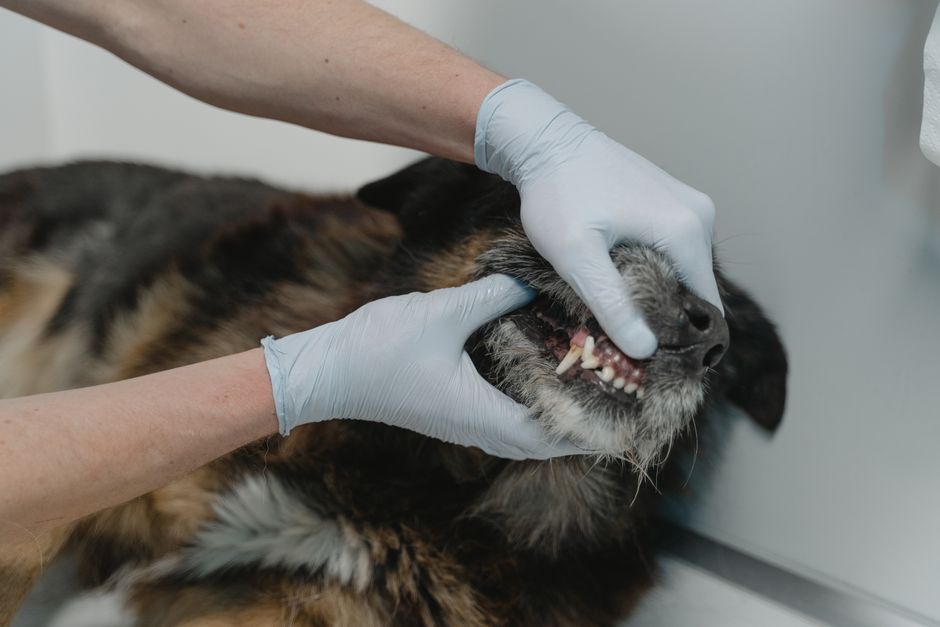
Dental disease in pets is both common and often overlooked until symptoms become advanced. Many pet owners first notice issues such as persistent bad breath, difficulty eating, or visible changes in the mouth. Signs that may indicate your dog or cat would benefit from seeing a veterinary dental specialist include persistent halitosis, red or bleeding gums, loose or broken teeth, reluctance to chew toys or eat dry food, pawing at the mouth, swelling on the face, drooling more than usual, or dropping food. In some cases, a primary veterinarian may discover more subtle concerns during a routine pet dental wellness examination, such as deep periodontal pockets, tooth root abscesses, or oral masses that require advanced diagnostics and care.
If your pet has been referred to Florida Veterinary Dental Services, it is often because their oral health needs go beyond what general practices can provide. This may include complex extractions, advanced periodontal surgery, treatment for oral tumors, or management of chronic conditions like feline gingivostomatitis. Understanding these signs and what prompts a referral can help you feel more confident in your decision to pursue specialty dental care.
Understanding the Causes of Dental and Oral Conditions in Pets
Dental disease in pets develops over time due to a combination of factors. Plaque and tartar buildup on teeth is the most common starting point; this leads to inflammation of the gums, known as gingivitis, which can progress to periodontal disease if not addressed. Genetic predisposition, breed tendencies, age, and even certain underlying health conditions can contribute to the severity and speed of dental disease progression. Small breed dogs and some cats are particularly prone to periodontal issues as their teeth are often crowded, making thorough cleaning more challenging.
Other causes of dental and oral conditions include trauma from chewing on hard objects, congenital issues such as malocclusion or cleft palate, and oral tumors that may develop silently. Chronic diseases like diabetes can also impact oral health, making regular dental care even more critical. These underlying factors are why advanced diagnostics—such as intra-oral radiographs or CT scans—are often necessary to fully understand your pet’s oral health status before treatment begins.
Advanced Treatment Options at a Veterinary Dental Specialist
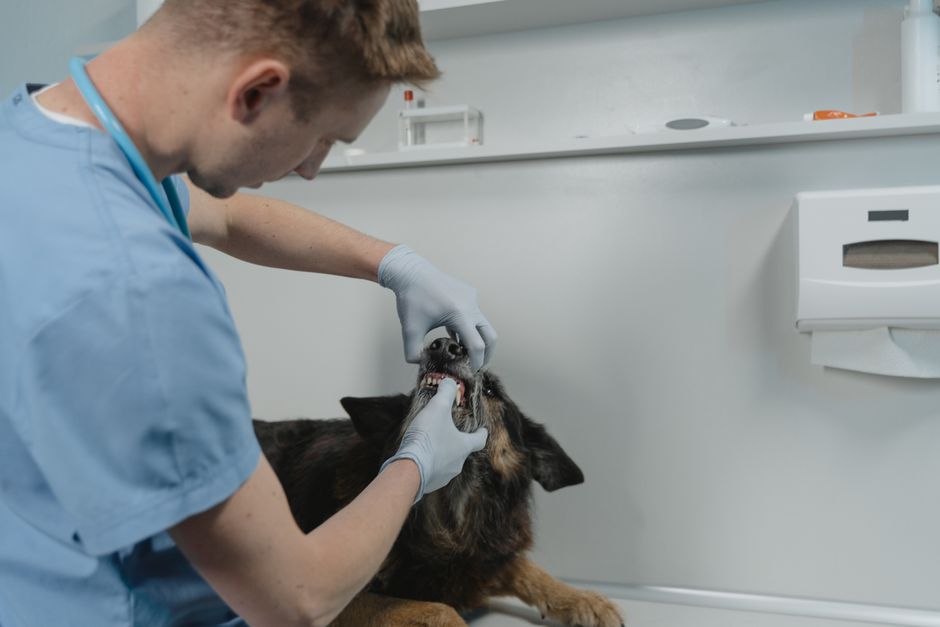
A visit to a veterinary dental specialist is different from a standard dental cleaning at your primary veterinarian. Our practice in Coral Springs is equipped with advanced technology and expertise to handle a wide spectrum of dental and oral surgery needs for dogs and cats. The treatment process typically begins with a thorough consultation and examination, during which our veterinary dental professionals will review your pet’s medical history and perform a detailed oral assessment. If indicated, advanced imaging such as intra-oral dental radiology or CT scans may be used to evaluate the roots, bone, and surrounding structures. These tools allow for a precise diagnosis, ensuring no underlying issues are missed.
Common procedures performed by our team include advanced pet dental cleanings under general anesthesia, which allow us to safely and thoroughly remove tartar above and below the gumline. For pets with damaged or infected teeth, complex dental extractions may be needed. In cases where preservation is possible, root canal therapy offers a tooth-saving alternative. Our expertise also extends to periodontal surgery for advanced gum disease, oral and facial tumor surgery, jaw fracture repair, and restorative procedures such as tooth restorations and crowns.
A typical specialist visit may involve a pre-anesthetic evaluation, bloodwork, and a careful anesthesia plan tailored to your pet’s age and health status. Throughout the procedure, your pet’s vital signs will be closely monitored by our skilled veterinary team. After treatment, we provide individualized oral pain management to ensure your pet recovers comfortably and safely.
What to Expect on the Day of the Appointment
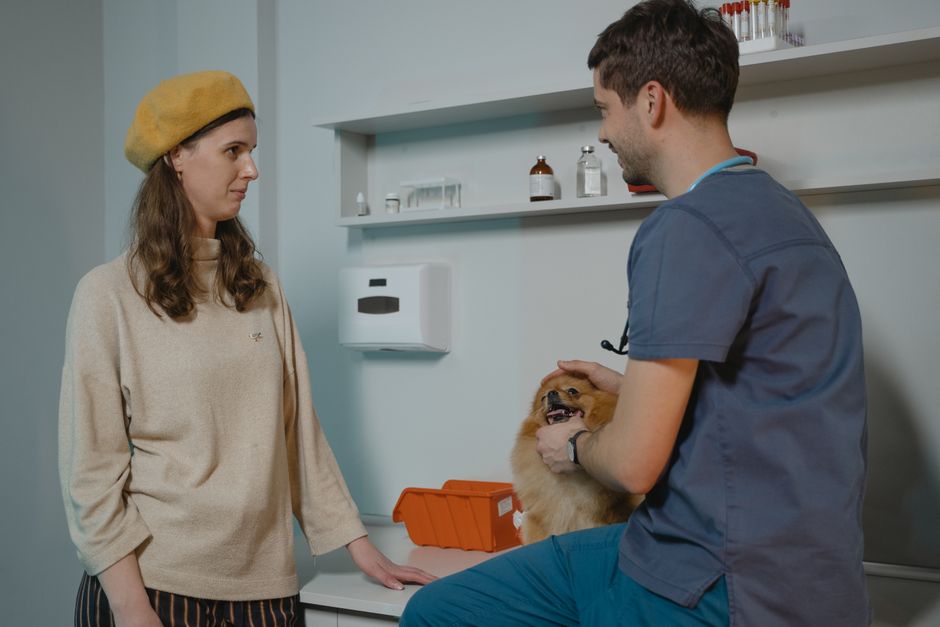
On the day of your pet’s appointment, you will be welcomed by our caring front desk staff, who will review paperwork and answer any immediate questions. Your pet will be admitted for the day, and our veterinarians will perform a detailed oral exam before anesthesia. We will discuss the planned procedures, anticipated outcomes, and any risks or special considerations specific to your pet. After the procedure, we will provide a thorough discharge plan, including home care instructions and follow-up recommendations. We encourage you to ask questions throughout the process to ensure you are confident in caring for your pet during recovery.
Home Care and Prevention: Supporting Your Pet’s Oral Health
While advanced dental care is sometimes necessary, preventive steps at home can make a significant difference in your pet’s oral health. Daily tooth brushing with a pet-safe toothpaste remains the gold standard for plaque control. For pets that resist brushing, dental diets, chews, and water additives can help reduce tartar accumulation, although they are not substitutes for professional cleanings. Observing your pet’s eating habits, breath, and behavior can alert you to early changes that warrant veterinary attention.
Regular checkups with your primary veterinarian are essential, and many dental issues can be caught early with routine pet dental wellness examinations. If your veterinarian identifies a concern that requires specialty care, prompt referral to a dental specialist is the best way to ensure optimal outcomes. Our team is always happy to work collaboratively with your general veterinary practice to provide seamless, comprehensive care for your pet.
When Should You Seek Veterinary Dental Specialist Care?
Knowing when to pursue specialist care can be challenging, especially as dental disease is often subtle in its early stages. Immediate specialist evaluation is recommended if your pet exhibits signs such as sudden swelling of the mouth or face, uncontrolled bleeding from the gums, fractured or discolored teeth, oral masses, or persistent pain that does not resolve with general veterinary intervention. Chronic or recurring dental problems, such as repeated tooth root infections or ongoing gum inflammation, also warrant a referral.
If your primary veterinarian suggests your pet would benefit from advanced imaging, oral surgery, or complex extractions, a visit to our specialty practice is the next logical step. Our facility is equipped to provide advanced diagnostics, anesthesia safety, and the highest standards of care tailored to your pet’s specific needs. We encourage you to reach out with any concerns or questions; no issue is too small when it comes to your pet’s comfort and health.
Why Choose a Veterinary Dental Specialist in Coral Springs?
Choosing a veterinary dental specialist means entrusting your pet’s oral health to a team with advanced training, experience, and specialized equipment. At Florida Veterinary Dental Services, our practice is designed around delivering the highest standard of dental and oral surgical care for dogs and cats. We are a referral-based center, collaborating closely with general veterinarians to provide seamless care for pets across Coral Springs and surrounding communities. Our facility offers everything from state-of-the-art imaging to complex surgical interventions, all under the guidance of board-certified experts.
We understand that every pet and situation is unique. Whether your companion needs a straightforward dental cleaning or a complex reconstructive surgery, our approach is always compassionate, thorough, and tailored to your pet’s best interests. Our commitment is to minimize pain, restore function, and help your pet enjoy a healthy mouth for years to come.
Your Next Steps: Scheduling with a Pet Dental Specialist Near You
If your veterinarian has recommended advanced dental care for your dog or cat, or if you have noticed concerning symptoms at home, specialized help is within reach. When searching for a dental vet near me, trust that Florida Veterinary Dental Services stands ready to provide exceptional care and advanced expertise. We welcome referrals and are happy to answer your questions about what to expect from a pet dental specialist visit. To learn more or to arrange a consultation, call our office at (954) 396-9660. You can also find directions to our facility at 4101 Turtle Creek Drive, Coral Springs, FL 33067.
Our team of veterinary dental professionals is committed to making your experience as smooth and stress-free as possible, from the initial referral through every step of your pet’s treatment and recovery. For more information about our services and what to expect, visit our pet owner guide or explore our list of frequently asked questions. Your pet’s oral health is our highest priority—let us help them smile brighter, breathe easier, and live more comfortably.
This blog is for informational purposes only and does not replace individualized veterinary care. Always consult with your primary veterinarian or a board-certified veterinary dental specialist for diagnosis and treatment recommendations tailored to your pet’s needs.