Does Your Cat Need Advanced Dental Surgery?

Does Your Cat Need Advanced Dental Surgery?
As a cat owner, you know just how subtle your feline companion can be when it comes to showing pain or discomfort. Many cats expertly hide oral pain, but dental and oral health problems are surprisingly common and can have a significant impact on your cat’s quality of life. When simple dental cleanings are no longer enough, advanced dental surgery may be the key to restoring your cat’s comfort, health, and happiness. At Florida Veterinary Dental Services, located at 4101 Turtle Creek Drive, Coral Springs, FL 33067, our board-certified veterinary dental specialists provide the highest standard of care for cats facing complex dental and oral conditions. In this guide, we’ll help you recognize the signs that your cat might need advanced dental surgery, explain what causes these issues, outline how our specialists diagnose and treat them, and share what you can do at home to support your cat’s oral health.
If you’ve noticed changes in your cat’s eating habits, persistent mouth odor, drooling, or signs of discomfort around the mouth, you may be wondering if it’s time to seek help from a veterinary dental specialist. Read on to learn what to watch for and how our Coral Springs team can help.
Recognizing Signs Your Cat May Need Advanced Dental Surgery
Cats are masters at hiding discomfort, so oral and dental issues often progress silently until they become severe. It’s important to pay close attention to subtle changes in your cat’s behavior and appearance. Key symptoms that may suggest your cat needs advanced dental or oral surgery include difficulty eating or chewing, dropping food from the mouth, pawing at the face, persistent drooling, or changes in appetite. Other warning signs are chronic bad breath that does not improve with regular dental care, visible swelling or lumps around the mouth or jaw, oral bleeding, or any evidence of broken, loose, or discolored teeth.
In more serious cases, you might notice your cat refusing to play with toys, hiding more than usual, or vocalizing when yawning or eating. Some cats stop grooming themselves, leading to a dull or matted coat. If you notice any of these symptoms, it is important to have your cat evaluated promptly. Cats with complex oral conditions such as advanced periodontal disease, oral tumors, fractured teeth, or chronic inflammation often require specialized diagnostics and treatment beyond what a routine veterinary visit can provide.
Common Causes of Advanced Dental and Oral Problems in Cats
Understanding why advanced dental and oral problems develop in cats can help you take proactive steps to protect your pet’s health. Periodontal disease is by far the most common dental problem in cats, beginning as mild gingivitis but potentially progressing to severe infection, bone loss, and tooth loss if left untreated. Other causes include traumatic injuries such as fractured teeth, congenital defects like cleft palate, and the development of oral tumors or masses.
A particularly challenging condition in feline dentistry is chronic gingivostomatitis. This painful, immune-mediated disease causes severe inflammation and ulceration throughout the mouth and can make it almost impossible for a cat to eat comfortably. Some cats may also develop resorptive lesions, where the tooth structure breaks down and exposes sensitive tissue. Additionally, cats may experience complications from previous dental extractions, infections involving the jawbone (osteomyelitis), or oral injuries resulting from accidents or bites.
Environmental factors such as diet, lack of regular dental care, and genetic predisposition also play a role in oral health. Older cats and those with underlying health conditions like kidney disease or diabetes are at higher risk for developing complex dental issues.
How Veterinary Dental Specialists Diagnose and Treat Complex Feline Cases
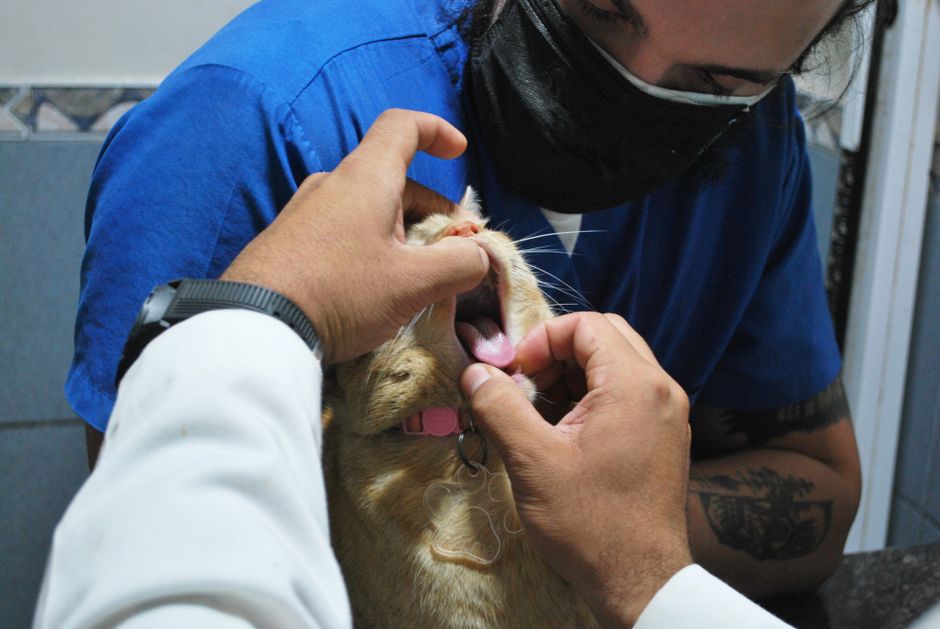
When advanced dental or oral surgery is needed, cats benefit greatly from the expertise of a veterinary dental specialist. At Florida Veterinary Dental Services, our team uses cutting-edge diagnostic tools and advanced surgical techniques to ensure the best possible outcome for your cat. The diagnostic process often begins with a thorough oral examination under anesthesia, allowing for a detailed assessment of all teeth, gums, and oral tissues.
Advanced imaging is a cornerstone of our diagnostic approach. We offer intra-oral dental radiology and on-site CT scans to evaluate tooth roots, jawbone, and nearby structures, which is crucial for diagnosing hidden problems such as tooth resorption, jaw fractures, or oral tumors. For complex or recurring oral conditions, our specialists may recommend a biopsy or additional laboratory testing to rule out cancer or immune-mediated disease.
Treatment approaches vary depending on the diagnosis. For advanced periodontal disease, periodontal surgery may be necessary to clean deep below the gumline, remove infected tissue, and save remaining teeth when possible. Cats with fractured or infected teeth may require complex dental extractions, while those with chronic inflammation like gingivostomatitis may benefit from chronic feline gingivostomatitis treatment that combines medical therapy and surgical management.
If a mass or tumor is found, our team is experienced in oral and facial tumor surgery and oral oncology surgery, providing advanced care with a focus on your cat’s comfort and long-term health. Pain management is always an integral part of our treatment plans, and we offer specialized oral pain management to ensure your cat remains as comfortable as possible throughout recovery.
What to Expect During and After Feline Dental Surgery
The idea of your cat undergoing dental surgery can be daunting, but knowing what to expect can help ease your concerns. All surgical procedures at Florida Veterinary Dental Services are performed under general anesthesia using state-of-the-art monitoring to ensure safety. Our team of veterinary professionals tailors each anesthetic protocol to your cat’s age, health status, and specific needs.
During surgery, your cat may undergo procedures such as tooth extraction, surgical cleaning of infected tissues, repair of oral defects, or removal of tumors. Advanced imaging may be performed during the procedure to guide treatment decisions. After surgery, most cats recover quickly, but some may require pain medication, antibiotics, or a modified diet while their mouth heals. Our team will provide detailed aftercare instructions and support throughout the recovery process.
Many cats experience a dramatic improvement in comfort, appetite, and activity level following successful dental surgery. Some owners notice their cat acting years younger, enjoying food and play again. Follow-up visits are important to monitor healing and adjust care as needed.
Home Care Tips to Support Your Cat’s Oral Health
While some dental conditions require advanced intervention, at-home care remains essential for preventing future problems and supporting your cat’s recovery. Steps you can take include providing a balanced diet recommended by your veterinarian, introducing tooth brushing with feline-safe toothpaste if tolerated, and offering dental treats or chews formulated for cats. Regularly inspecting your cat’s mouth for changes in gum color, swelling, or bad breath can help you catch problems early.
For cats who have undergone dental surgery, follow your specialist’s instructions closely. This may involve feeding soft food, administering prescribed medications, and limiting activities that could stress healing tissues. If your cat resists oral care at home, discuss alternative strategies with your veterinary dental specialist.
Professional dental examinations are vital, as some problems are impossible to detect without anesthesia and specialized imaging. Even with diligent home care, some cats are genetically predisposed to dental disease and benefit from periodic assessment by a veterinary dental specialist.
When to Seek Veterinary Dental Specialty Care
Not every dental issue requires advanced surgery, but certain signs mean it’s time to consult a veterinary dental specialist. If your cat has persistent mouth pain, is not eating well, develops swelling or masses in the mouth, or has been diagnosed with a condition such as chronic gingivostomatitis, oral tumor, or jaw fracture, specialty care is strongly recommended. Likewise, cats who have not responded to standard dental cleanings, or who have complex needs due to age or underlying illness, are excellent candidates for referral to our Coral Springs practice.
General practitioners often refer feline patients to Florida Veterinary Dental Services for advanced diagnostics, surgery, and complex case management. If you are unsure whether your cat needs specialty care, our team is happy to consult with you and your primary veterinarian to determine the best course of action.
Your Local Resource for Feline Dental Surgery in Coral Springs
Your cat’s oral health is a key part of their overall well-being, and advanced dental surgery can make a tremendous difference for those struggling with pain, infection, or complex oral disease. At Florida Veterinary Dental Services, our board-certified specialists provide comprehensive care for cats in Coral Springs and surrounding communities, using advanced technology and compassionate expertise.
If you are concerned about your cat’s dental health or have questions about symptoms you’re seeing at home, we encourage you to schedule a consultation with our veterinary dental team. When searching for a dental specialty vet near me, choosing a referral-based center with extensive feline experience ensures your cat receives the highest standard of care. To learn more about our approach to feline dental surgery or to request an appointment, call our team at (954) 396-9660 or visit us at 4101 Turtle Creek Drive, Coral Springs, FL 33067. Your cat deserves a comfortable, healthy life, and we are here to help every step of the way.
Medical Disclaimer: This blog is intended for informational purposes only. Always consult a veterinary professional for diagnosis and treatment of your cat's specific oral health needs.