Dental Trauma in Pets: When to Seek a Specialist

Dental Trauma in Pets: When to Seek a Specialist
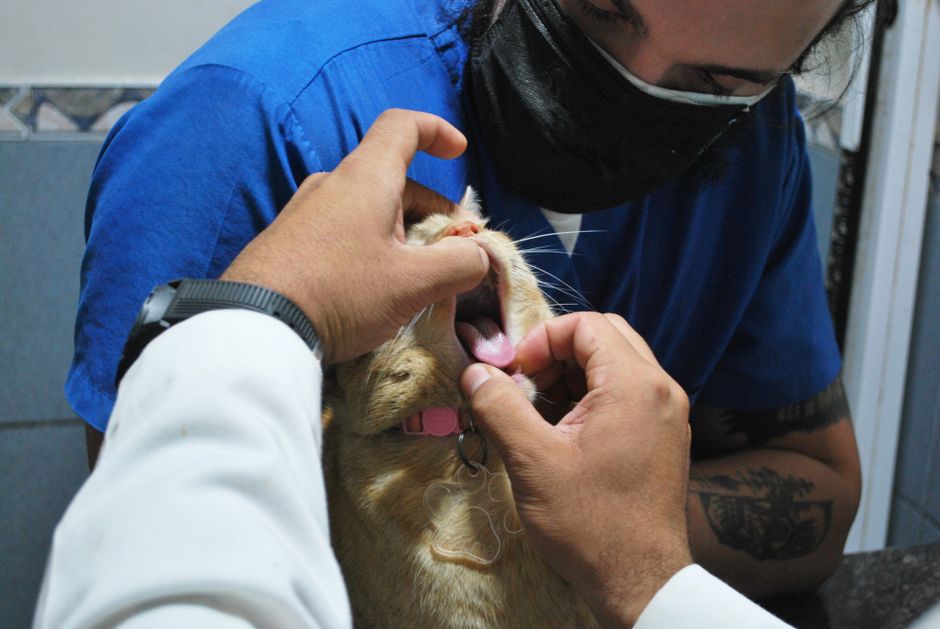
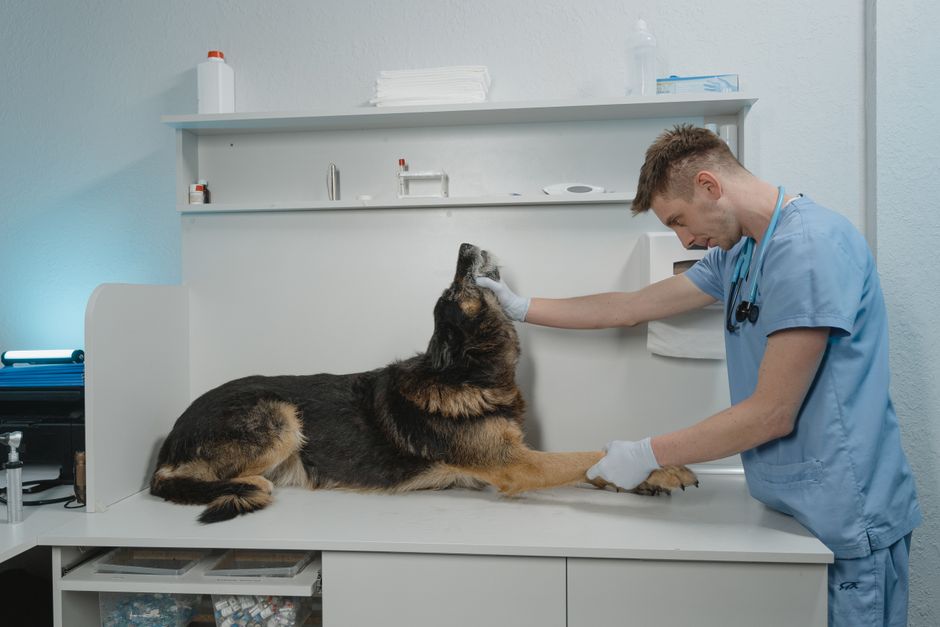
Dental injuries can happen to any dog or cat, often catching even the most attentive pet owners off guard. Whether your pet experienced a hard blow during playtime, bit down on something too tough, or suffered an accident around the house, dental trauma is a serious concern that goes far beyond cosmetic issues. At Florida Veterinary Dental Services, located at 4101 Turtle Creek Drive, Coral Springs, FL 33067, our team of board-certified veterinary dental specialists is dedicated to diagnosing and treating dental trauma in dogs and cats with the highest level of expertise and compassion. In this blog, we will help you recognize the warning signs of dental trauma, explain why prompt specialty care is so important, and describe how advanced dental techniques can restore your pet’s health and comfort. If you are searching for expert pet dental care in Coral Springs and surrounding communities, read on to learn what steps to take when your companion suffers a dental injury.
Recognizing Dental Trauma: Signs Your Pet Needs Help
Pets rarely show obvious signs of oral pain, so dental trauma can easily go unnoticed in the early stages. Pet owners may first observe subtle changes in behavior, eating habits, or even personality. Key symptoms of dental trauma include sudden reluctance to eat, favoring one side of the mouth when chewing, dropping food, pawing at the face, or vocalizing while eating. Additionally, you may notice visible bleeding from the mouth, swelling around the jaw or muzzle, broken or displaced teeth, and in some cases, a foul odor indicating infection.
Underlying dental injuries can also cause more generalized signs. These range from lethargy and withdrawal to increased irritability or sudden avoidance of touch, especially around the head. It is important to recognize that cats are particularly adept at masking discomfort; changes in grooming behavior or avoidance of dry food can be subtle indicators of pain. If you observe any of these issues in your dog or cat, do not delay in seeking professional evaluation.
Why Does Dental Trauma Occur in Dogs and Cats?
Dental trauma in pets can result from a variety of everyday situations. Common causes include accidental collisions during play, falls, rough tug-of-war games, and chewing on hard objects such as bones, antlers, rocks, or even certain toys. Young, energetic dogs and curious cats are especially prone to oral injuries as they explore their environment. Sometimes, trauma occurs during altercations with other animals or as a secondary effect of being hit by a car or other blunt force.
Cats may also develop dental injuries from high falls or by biting on non-food items, while smaller breeds of dogs are at risk due to their more delicate tooth and jaw structures. Dental disease such as severe periodontal infection can weaken teeth and supporting structures, making them more susceptible to breakage even with minimal force. Understanding these risk factors is essential for prevention and can help you remain alert to scenarios that might endanger your pet’s oral health.
How Veterinary Dental Specialists Diagnose and Treat Dental Trauma
When it comes to dental trauma, the expertise and resources of a specialty practice can make all the difference in your pet’s recovery. At Florida Veterinary Dental Services, our veterinary dental team employs advanced diagnostic imaging and surgical techniques to accurately assess and address complex injuries.
Comprehensive Evaluation and Advanced Diagnostics
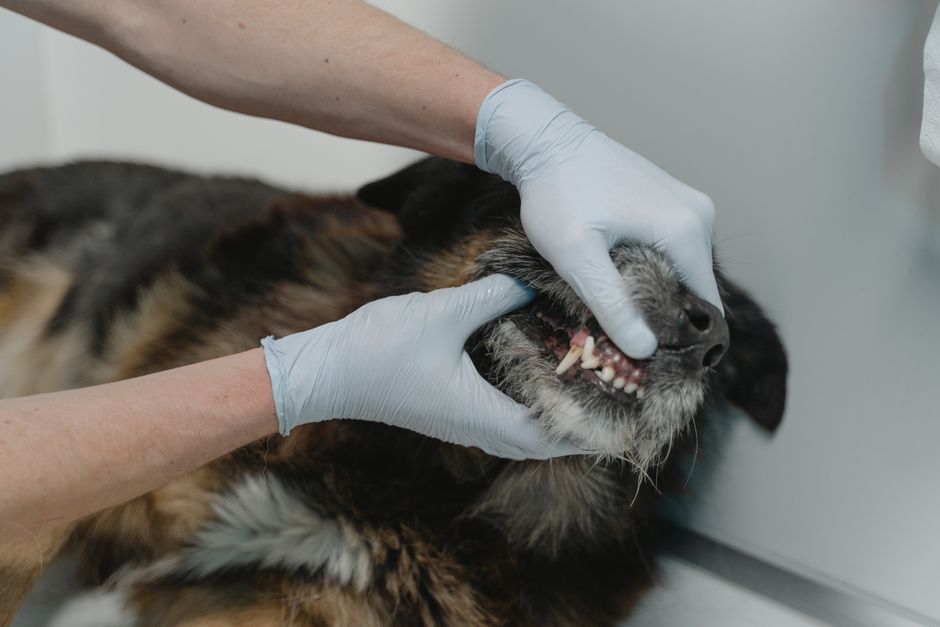
The process begins with a thorough oral examination under sedation, allowing for a complete assessment of the mouth, teeth, and surrounding structures. Our practice utilizes intra-oral dental radiology and on-site CT scanning to reveal the full extent of damage, including fractures, root exposure, and involvement of the jaw or facial bones. This detailed approach is crucial because many injuries are not visible to the naked eye and require specialized imaging for precise diagnosis. Learn more about how we use intra-oral dental radiology for evaluating pet teeth and oral conditions to ensure nothing is overlooked.
Restoring Health and Comfort
Treatment plans are highly individualized depending on the type, location, and severity of the trauma. For broken or fractured teeth, options may include root canal therapy for treating and preserving injured or damaged pet teeth, dental crowns, or extraction when preservation is not possible. Our specialists are skilled in tooth restoration and crown procedures for damaged pet teeth, helping restore both function and appearance.
In cases involving jaw or facial fractures, maxillofacial surgery may be required to stabilize and repair the affected area. Soft-tissue injuries such as lacerations or puncture wounds of the gums, lips, or tongue are managed with meticulous surgical care and advanced pain management techniques. The ultimate goal is always to relieve pain, prevent infection, and restore your pet’s ability to eat, play, and live comfortably.
At-Home Care and Prevention for Pet Dental Trauma
While not all dental injuries can be prevented, there are several steps you can take at home to reduce your pet’s risk. Avoid giving your dog or cat hard chew items such as bones, antlers, or hard nylon toys, as these are common culprits for cracked or broken teeth. Supervise playtime to minimize rough interactions with other animals and discourage chewing on non-food objects. Regularly inspect your pet’s mouth for signs of injury or loose teeth, especially after a known accident.
Routine professional dental cleanings and examinations can help identify pre-existing dental disease that may predispose your pet to traumatic injuries. Addressing dental health proactively can strengthen teeth and gums, providing a better defense against accidental trauma. Remember, early intervention is the key to preventing minor issues from escalating into serious problems.
When to Seek Veterinary Dental Care: Don’t Wait
Dental trauma is always a reason to consult a veterinary professional, but there are certain situations where immediate specialty care is especially critical. If your pet is bleeding from the mouth, has a visibly broken or displaced tooth, cannot close their mouth properly, or is refusing to eat or drink, prompt evaluation by a veterinary dental specialist is essential. Severe pain, swelling, or signs of infection such as pus or a strong odor also warrant urgent attention.
Your general veterinarian is a great first resource for initial assessment, but complex injuries are best managed by a specialty practice with experience in advanced dental and surgical care. Florida Veterinary Dental Services regularly partners with local general practitioners in Coral Springs and surrounding communities to provide expert referral care for all types of dental trauma, including treatment services for fractured or broken teeth in pets and veterinary oral trauma services for pets with dental and mouth injuries.
Why Choose a Veterinary Dental Specialist for Your Pet’s Injury?
Choosing a veterinary dental specialist means your pet receives the highest level of care, using the latest technology and surgical techniques. Our board-certified team is uniquely qualified to handle everything from routine dental repairs to complex jaw fractures and oral surgeries. With on-site advanced imaging, pain management expertise, and a dedicated focus on dental and oral health, we can ensure a thorough evaluation and optimal outcome for your pet.
Additionally, our collaborative approach means we communicate with your primary veterinarian to ensure continuity of care and long-term oral health for your dog or cat. We understand how distressing a dental emergency can be and are committed to compassionate, individualized attention every step of the way.
Finding Specialty Pet Dental Care Near You
When searching for a dental specialty vet near me, it is essential to choose a practice with advanced resources, extensive experience, and a proven track record in treating dental trauma. At Florida Veterinary Dental Services, our veterinary dental professionals are here to offer expert care for dogs and cats throughout Coral Springs and nearby communities. If you notice any signs of dental injury in your pet, contact our practice right away for a consultation.
Your pet’s comfort and health are our top priorities, and early intervention can make all the difference in their recovery and long-term wellbeing. To schedule an appointment or speak with our team, call (954) 396-9660 or visit us at 4101 Turtle Creek Drive, Coral Springs, FL 33067. For more information about how our specialists can help, explore our dental repair services for pets with damaged or injured teeth.
This blog is intended for informational purposes only and should not replace professional veterinary care. If your pet has suffered dental trauma or displays any signs of pain, contact a qualified veterinary dental specialist promptly.