Hidden Signs of Oral Pain in Senior Pets

Hidden Signs of Oral Pain in Senior Pets
As our dogs and cats grow older, their needs change in subtle ways—sometimes so quietly that even the most attentive pet owners can miss important cues. Oral pain is one of the most common, yet overlooked, health issues affecting senior pets. Because many older animals instinctively hide discomfort, dental disease and oral pain can go undetected until they cause significant suffering or even impact your pet’s overall health. At Florida Veterinary Dental Services, we specialize in advanced dental and oral surgery care for pets throughout Coral Springs and surrounding communities. Our team of board-certified specialists and trained support staff is dedicated to helping you recognize the hidden signs of oral pain in your senior dog or cat so that you can protect their comfort and quality of life as they age.
In this post, we will explore the subtle symptoms of oral pain in senior pets, discuss why these signs matter, explain the most common causes, and outline how advanced veterinary dental care in Coral Springs can help. We will also share practical steps you can take at home, and explain when it is time to seek the expertise of a veterinary dental specialist. If you are worried that your older pet may be suffering in silence, you are not alone—and you have access to exceptional care right here at 4101 Turtle Creek Drive, Coral Springs, FL 33067.
Recognizing Hidden Signs of Oral Pain in Senior Pets
Many pet owners assume they would know if their dog or cat was experiencing tooth or mouth pain. However, most pets are masters at concealing discomfort, especially as they age. Instead of showing obvious symptoms, senior pets often display subtle behavioral changes that are easy to attribute to “just getting older.” Key signs of oral pain may include a noticeable decrease in appetite, dropping food from the mouth while eating, increased salivation or drooling, or a sudden preference for soft foods over their usual kibble. You might see your pet chewing on one side of the mouth, pawing at their face, or withdrawing from play and social interaction.
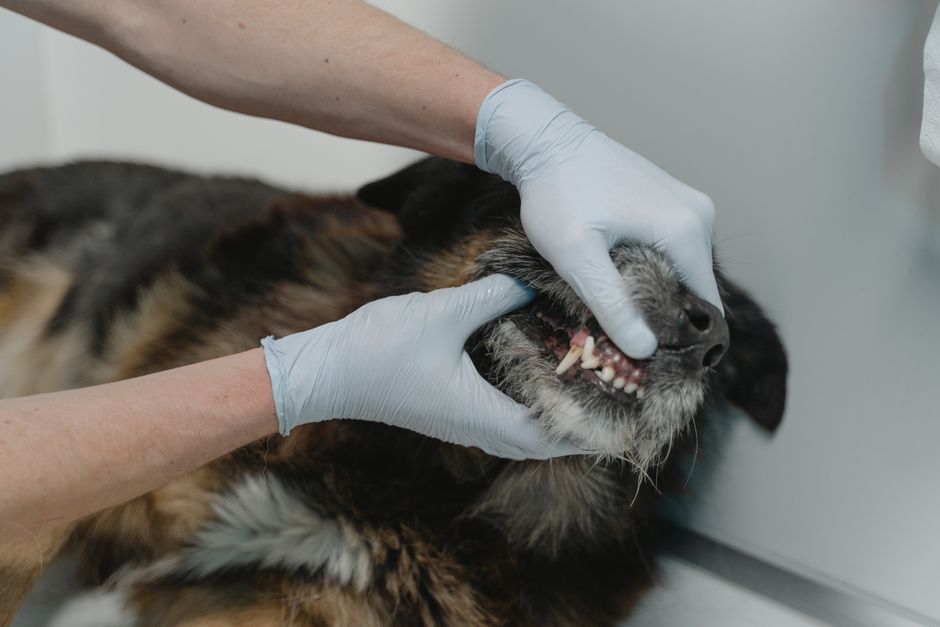
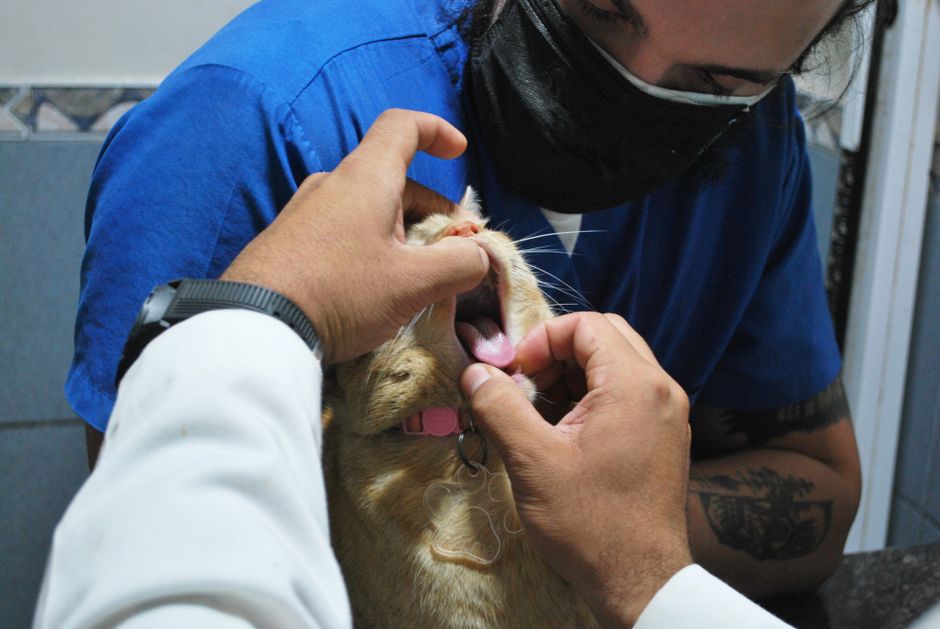
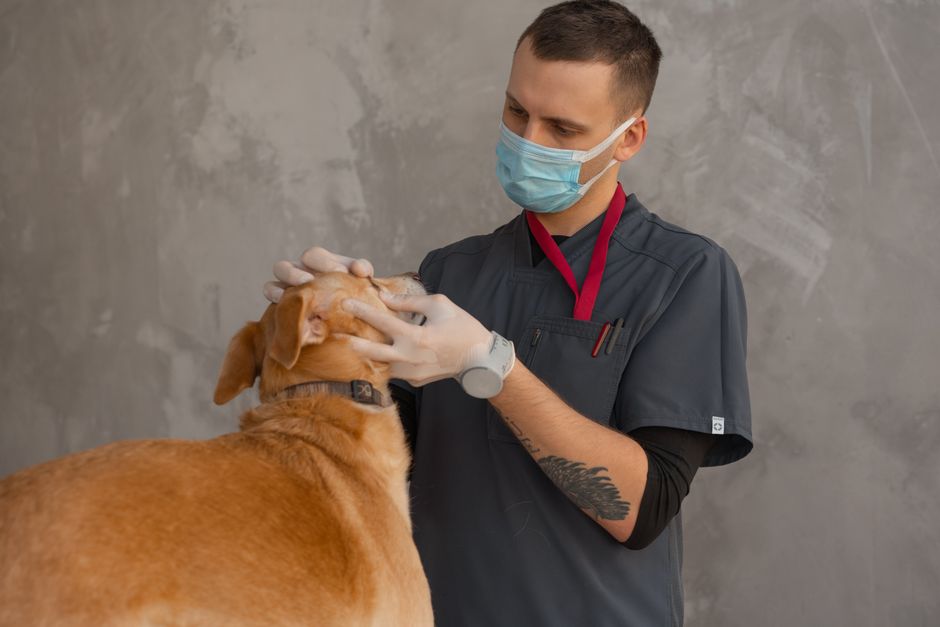
Other red flags can be less direct. A pet that resists having their head or mouth touched, becomes irritable, or starts hiding more often may be signaling discomfort. Chronic bad breath is another important clue; while “doggy breath” is common, persistent foul odor is often a sign of infection or decay. In some cases, you might notice blood in the water bowl or on chew toys. If your senior pet is losing weight, sleeping more than usual, or seems less interested in favorite activities, it is worth considering whether oral pain could be a factor.
Why Oral Pain Is Often Overlooked in Older Pets
There are several reasons why dental pain in senior dogs and cats can go unnoticed. First, animals instinctively hide signs of weakness as a survival strategy, making them less likely to cry out or show obvious distress—especially in the presence of people. Second, many age-related changes, like a slower pace or reduced appetite, are attributed to normal aging rather than an underlying condition like dental disease. Finally, the progression of dental issues is typically gradual, with symptoms worsening over time rather than appearing suddenly.
Owners may notice their pet eating more slowly or avoiding certain toys, but often do not realize these changes are linked to pain. In multi-pet households, subtle shifts in eating habits or social behavior can be even easier to miss. Senior pets are also more likely to have concurrent medical conditions, such as arthritis or kidney disease, which can mask or complicate the signs of oral pain. This is why routine wellness checks and comprehensive oral examinations are so important for aging animals.
Common Causes of Oral Pain in Senior Dogs and Cats
Dental disease is the leading cause of oral pain in older pets. Periodontal disease, which affects the gums and supporting structures of the teeth, can lead to inflammation, infection, and even tooth loss if left untreated. As pets age, years of plaque and tartar buildup can cause the gums to recede and expose sensitive tooth roots, resulting in ongoing discomfort.
Fractured teeth are another frequent culprit, especially in pets that love to chew. Cracks or breaks may expose the tooth’s pulp, causing sharp pain and creating an entry point for bacteria. Oral tumors, which are more common in senior pets, can also lead to pain, bleeding, and difficulty eating. Additionally, advanced dental conditions such as resorptive lesions in cats or worn teeth in dogs can create chronic discomfort that often goes unnoticed.
Senior pets may be at higher risk for certain oral health problems due to changes in immune function, altered saliva production, or previous dental work. Some medications prescribed for other age-related conditions can also affect oral health by decreasing saliva or altering the mouth’s natural balance.
Advanced Treatment Options: How Veterinary Dental Specialists Help
When your senior pet is showing signs of oral pain, a prompt and thorough evaluation by a veterinary dental specialist is key to ensuring comfort and long-term health. At Florida Veterinary Dental Services, we offer advanced diagnostics and a comprehensive range of treatment options tailored to the unique needs of older dogs and cats. Our specialty team utilizes on-site imaging such as dental radiography and CT scans to identify issues that are not visible during a standard exam, allowing for precise diagnosis and targeted care.
Treatment approaches involve professional dental cleanings performed under anesthesia, which allow for the safe removal of tartar and plaque both above and below the gumline. For pets with advanced dental disease, periodontal surgery may be required to address deep pockets of infection or damaged supporting tissues. Complex dental extractions may be necessary for teeth that are fractured, infected, or resorbed. In cases of oral tumors or masses, our board-certified specialists provide surgical interventions and collaborate with your primary care veterinarian for ongoing management.
Pain management is always a top priority. Our veterinary team develops individualized pain control plans for each patient, using the latest techniques and medications to ensure comfort before, during, and after any oral procedure. For more information on our approach to veterinary oral pain management for pets, you can review our dedicated service page. We also offer restorative procedures, crowns, and minimally invasive tooth repair when appropriate, helping to preserve healthy function and quality of life.
How to Support Your Senior Pet’s Oral Health at Home
While advanced dental care from a specialist is sometimes necessary, there are important steps you can take at home to help keep your senior pet’s mouth healthy and minimize the risk of oral pain. Regularly inspecting your pet’s mouth, watching for changes in eating habits, and monitoring for any new signs of discomfort are essential first steps. Brushing your pet’s teeth daily with a toothpaste formulated for dogs or cats can significantly reduce plaque buildup, while dental diets and approved chew toys may help support oral health between professional cleanings.
It is crucial to avoid giving hard items such as bones, antlers, or hooves, as these can fracture teeth—especially in older pets with weakened enamel. If your pet is hesitant to allow you to examine their mouth, or if you notice any abnormalities, schedule a professional evaluation as soon as possible. Consistent home care, combined with regular professional cleanings and exams, provides the best protection against pain and advanced disease.
When to Seek Professional Veterinary Dental Care
You should consult a veterinary dental specialist whenever your senior pet shows signs of oral pain or any changes in eating, grooming, or social behavior that could be linked to mouth discomfort. Signs that warrant prompt attention include sudden refusal to eat, visible swelling of the face or jaw, bleeding from the mouth, loose or missing teeth, and persistent bad breath. If your pet’s condition seems to worsen rapidly, or if they develop a fever or appear lethargic, immediate evaluation is especially important.
Routine preventive care plays a vital role in early detection; scheduling a wellness examination with a veterinary dental specialist can help uncover hidden problems before they lead to pain or complications. Our Coral Springs specialty practice collaborates closely with your primary care veterinarian to provide seamless, referral-based care for complex dental and oral health issues. If you are searching for a “dental vet near me,” choosing a board-certified team with advanced capabilities ensures your pet receives the most effective and compassionate treatment available.
Supporting Your Senior Pet’s Comfort and Health With Specialty Dental Care
Oral pain should never be an inevitable part of aging for your beloved pet. By learning to recognize the subtle signs of discomfort, seeking timely professional care, and maintaining diligent home dental routines, you can help your senior dog or cat enjoy a comfortable, happy life well into their golden years. At Florida Veterinary Dental Services, we are proud to serve Coral Springs and the surrounding area with specialized expertise in advanced dental care for seniors, oral surgery, and pain management.
If you have concerns about your senior pet’s oral health, or if you have noticed changes in their behavior or appetite, we encourage you to schedule a comprehensive dental evaluation with our specialty team. You can reach our veterinary dental professionals at (954) 396-9660, or visit us at 4101 Turtle Creek Drive, Coral Springs, FL 33067 for expert care in a compassionate, referral-based setting. To learn more about advanced dental care for senior pets or to find a trusted “dental vet near me,” our team is here to support your pet’s health every step of the way.
This article is intended for informational purposes only and should not be used as a substitute for professional veterinary care. If you suspect your pet is experiencing oral pain or discomfort, please consult your veterinarian or a board-certified veterinary dental specialist for an accurate diagnosis and personalized treatment plan.