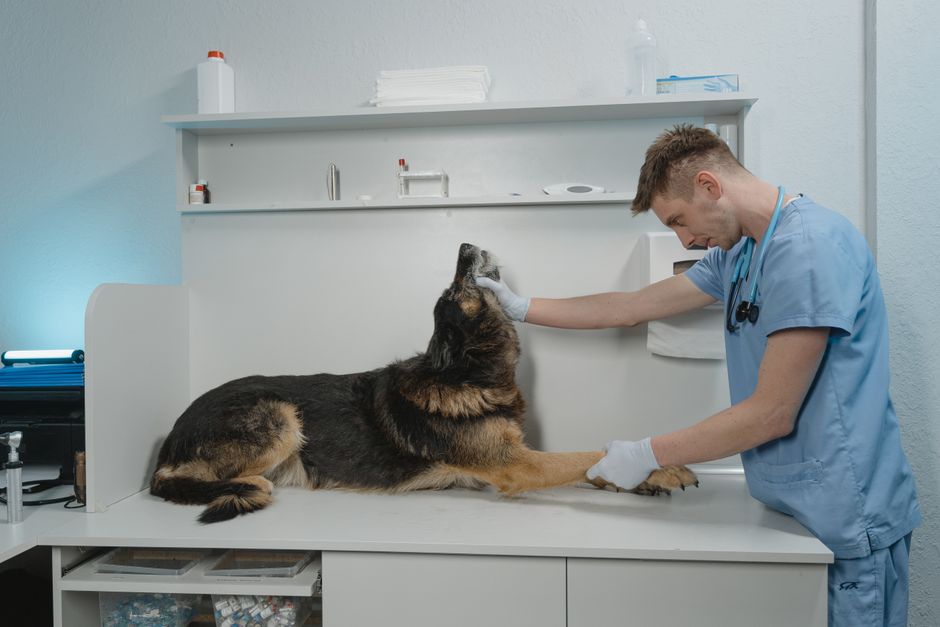
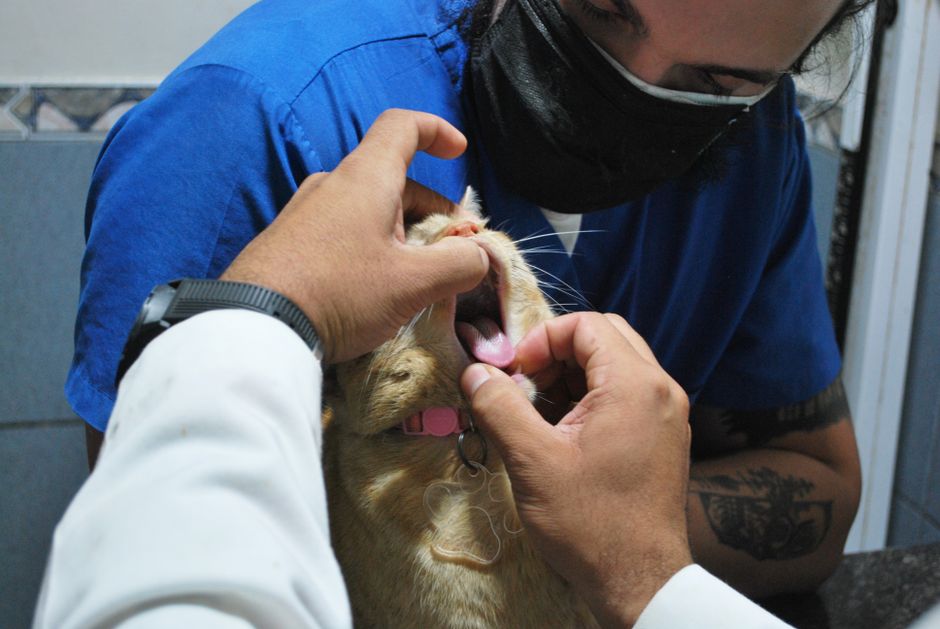
Understanding Tooth Root Abscesses in Dogs and Cats

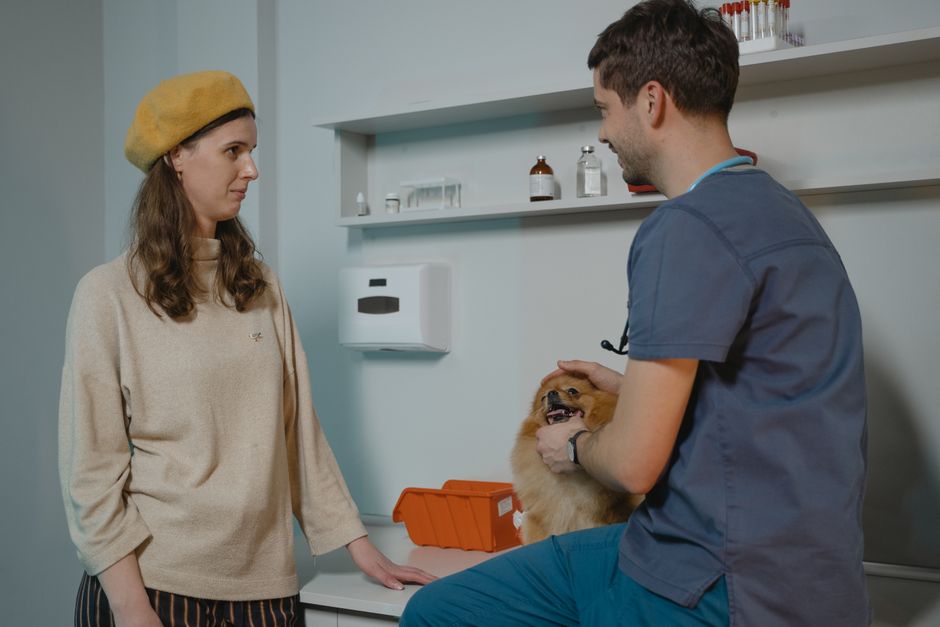
Understanding Tooth Root Abscesses in Dogs and Cats
Is your dog or cat suddenly refusing meals, pawing at their face, or drooling more than usual? Dental pain is agonizing for pets, and tooth root abscesses are a frequent culprit—especially in Florida’s warm, humid climate. At Florida Veterinary Dental Services, we understand how distressing it can be to see your pet in discomfort. Our specialty clinic in 4101 Turtle Creek Drive, Coral Springs, FL 33067, led by Dr. Fuentes and our highly trained veterinary dental team, offers advanced diagnostics and treatments for complex dental conditions, including tooth root abscesses. In this guide, you’ll learn how to recognize this painful problem, understand its causes, and see how advanced veterinary dentistry can help your pet reclaim a pain-free, healthy mouth. We’ll also discuss when it’s time to seek out a dental specialist for your pet in Coral Springs and surrounding communities.
Recognizing Symptoms of Tooth Root Abscesses in Pets
Tooth root abscesses can develop quietly, but the discomfort they cause is anything but subtle. Many pet owners first notice changes in eating habits; your dog might stop chewing on favorite toys, or your cat could leave food behind. Common signs of a tooth root abscess include noticeable swelling on the side of the face—sometimes with a visible bump beneath the eye—along with increased drooling, difficulty picking up food, dropping food from the mouth, or a sudden aversion to hard treats or kibble. Sometimes, you might see bloody saliva or detect an unpleasant odor coming from your pet’s mouth. In more advanced cases, pets may paw at their mouth, become lethargic, or avoid being touched on the face. These behaviors are your pet’s way of telling you something is wrong beneath the surface.
Facial swelling is particularly common when upper premolars are affected, and the area beneath the eye may appear puffy or tender. In cats, subtle changes like grooming less frequently or hiding can be related to oral pain. Keep in mind that many pets are stoic and may not show obvious pain until the abscess is severe. If your pet exhibits any of these symptoms, it’s important to act promptly; untreated dental infections can worsen quickly and impact overall health.
What Causes Tooth Root Abscesses in Dogs and Cats?
A tooth root abscess is a pocket of infection that forms at the base of a tooth, usually where bacteria have invaded the root through a fracture, severe gum disease, or deep periodontal pockets. In dogs and cats, common causes include chewing on hard objects like bones or antlers, which can fracture teeth and expose the pulp. Periodontal disease is another significant factor; when plaque and tartar accumulate, they can push bacteria below the gumline, leading to infection around the tooth root.
Other contributing factors include retained baby teeth, oral trauma, or previous dental procedures that may not have fully resolved underlying disease. In Florida’s humid climate, bacterial growth can accelerate, making dental infections more common year-round. Some breeds—such as small dogs with crowded mouths or brachycephalic cats—are predisposed to dental issues due to their anatomy. Routine dental care and regular veterinary dental cleanings are essential in minimizing the risk, but even pets with well-maintained mouths can occasionally develop abscesses, especially as they age.
Advanced Veterinary Dental Treatments for Tooth Root Abscesses
When a tooth root abscess is suspected, specialized diagnostics and targeted treatment are essential for your pet’s relief and recovery. At Florida Veterinary Dental Services, our approach begins with a comprehensive oral examination and advanced imaging, such as dental radiography or CT scans, to visualize the extent of the infection and assess the health of adjacent teeth and bone.
The most effective treatment typically involves either surgical extraction of the affected tooth or, in select cases, root canal therapy to save the tooth. Surgical extraction removes the source of infection, allowing the bone and gum tissue to heal. Root canal therapy, performed by a veterinary dental specialist, cleans and fills the infected root canal, preserving the tooth’s function and eliminating pain. Both procedures require advanced training and equipment to ensure complete removal of infected tissue and minimize discomfort.
Managing your pet’s pain is a top priority during and after treatment. Our oral pain management protocols use multimodal strategies, including local nerve blocks, safe anesthetics, and appropriate medications tailored to your pet’s needs. Post-operative care includes antibiotics if indicated and careful follow-up to ensure healing is progressing well. Our veterinary dental team will provide detailed aftercare instructions to help your pet recover comfortably at home.
Home Care and Prevention: Supporting Your Pet’s Dental Health
While some risk factors for tooth root abscesses are unavoidable, many can be minimized through proactive home care and regular professional dental attention. Daily tooth brushing with pet-safe toothpaste is the gold standard for preventing plaque buildup and gum disease. Dental chews approved by the Veterinary Oral Health Council (VOHC) can supplement brushing, but avoid hard objects like real bones, hooves, or antlers that can fracture teeth. Routine pet dental cleanings performed under anesthesia allow your veterinarian to remove tartar below the gumline and catch problems before they become serious.
Watch for subtle signs of oral discomfort, such as changes in eating habits, drooling, or facial swelling. Bringing your pet for annual or biannual pet examinations can help detect early dental issues before they escalate. For pets with a history of dental disease, our team may recommend more frequent check-ups or tailored preventive strategies.
If your pet has had a previous tooth extraction or dental procedure, follow your veterinarian’s home care instructions carefully. Monitor healing sites for any swelling, discharge, or persistent bad breath. A nutritious diet and regular access to fresh water also support overall oral health. Remember, early intervention is key; addressing minor dental problems promptly can help prevent painful abscesses and the need for more complex procedures.
When to Seek Veterinary Dental Care
If you suspect your dog or cat has a tooth root abscess, prompt veterinary attention is crucial. The infection can spread quickly, causing severe pain, tissue destruction, and even systemic illness if left untreated. Contact a veterinary dental specialist if your pet shows facial swelling, sudden changes in eating, unexplained drooling, or signs of mouth pain. Pets who become lethargic, refuse all food, or develop a fever require urgent evaluation.
General practitioners can often identify dental disease, but complex cases or advanced oral infections are best managed by a veterinary dental specialist. Our clinic in Coral Springs welcomes referrals for comprehensive diagnosis and treatment of challenging dental conditions in dogs and cats. If your pet’s mouth is painful, do not attempt to treat or inspect it at home, as this can worsen discomfort or risk injury. Always consult with a veterinary professional for personalized advice and care recommendations.
As a specialty practice, we collaborate closely with primary care veterinarians to ensure seamless, high-quality dental care for your pet. If you need advanced dental diagnostics, surgical intervention, or ongoing oral pain management, our team is here to provide expertise and compassionate support.
Your Partner in Pet Dental Health: Florida Veterinary Dental Services
Tooth root abscesses can be a hidden source of misery for dogs and cats, but with attentive care and advanced treatment, your pet can regain comfort and enjoy a healthy mouth once again. If you notice signs of dental pain or facial swelling in your pet, trust the experienced veterinary dental professionals at Florida Veterinary Dental Services to deliver specialized care tailored to your pet’s unique needs. Our dental referral process ensures seamless collaboration with your primary veterinarian, and our team is dedicated to providing the highest standard of oral health care in Coral Springs and surrounding communities.
When searching for a dental specialty vet near me, look for a clinic that offers advanced imaging, surgical expertise, and genuine compassion for both pets and their families. To discuss your pet’s dental health or to arrange a consultation, call our clinic at (954) 396-9660 or visit us at 4101 Turtle Creek Drive, Coral Springs, FL 33067. Relief for your pet is closer than you think—let our veterinary dental team help your companion smile again.
Disclaimer: This blog is intended for informational purposes only and does not replace professional veterinary advice. Always consult your veterinarian or a veterinary dental specialist for diagnosis and treatment specific to your pet’s needs.