How Gum Disease in Cats Affects Their Health

How Gum Disease in Cats Affects Their Health
Gum disease in cats is a silent threat that often goes unnoticed until it causes significant discomfort or even impacts a cat’s overall health. Many cat owners in Coral Springs and the surrounding area may not realize that subtle changes—like bad breath or decreased grooming—can be early warnings of dental problems. At Florida Veterinary Dental Services, located at 4101 Turtle Creek Drive, Coral Springs, FL 33067, our team of veterinary dental specialists is dedicated to protecting your cat’s oral and general health through advanced diagnostics and treatment. In this blog, we’ll uncover how feline gum disease develops, common signs to watch for, and why specialty dental care can make a life-changing difference for cats with oral health issues. You’ll also learn practical steps for prevention and how to know when it’s time to seek expert help for your cat’s dental needs.
Recognizing the Signs: How to Tell If Your Cat Has Gum Disease
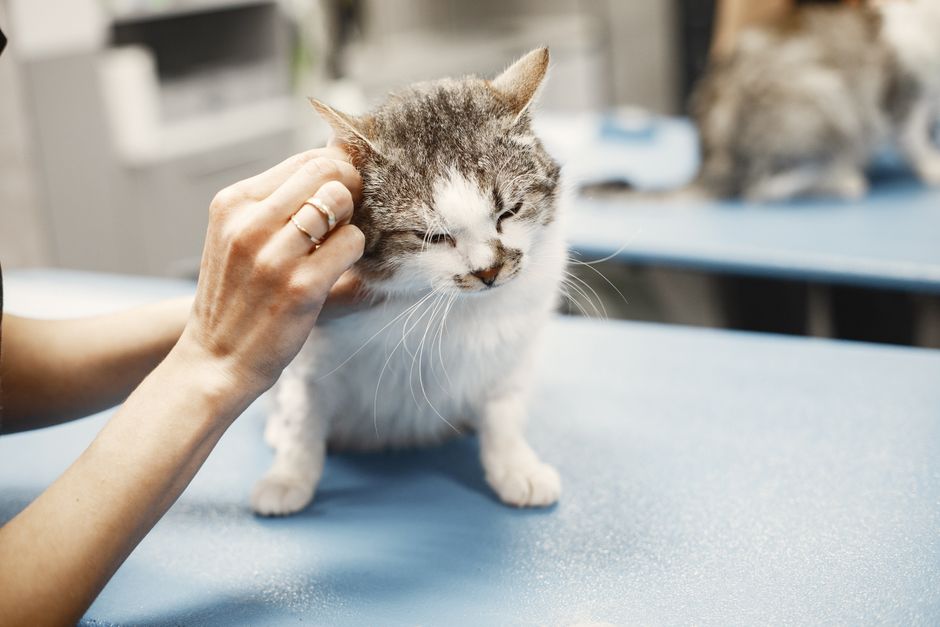
Cats are masters at masking pain and discomfort, which can make it especially challenging for owners to notice when something is wrong. Gum disease, also known as periodontal disease, develops gradually and often remains hidden until it reaches an advanced stage. Key symptoms include persistent bad breath, a reluctance to eat dry food, pawing at the mouth, drooling, and a decrease in grooming behavior. You might also notice red or swollen gums, bleeding during eating or after chewing on toys, and in more severe cases, loose or missing teeth. Behavioral changes such as irritability or hiding more than usual can also signal that your cat is experiencing oral pain.
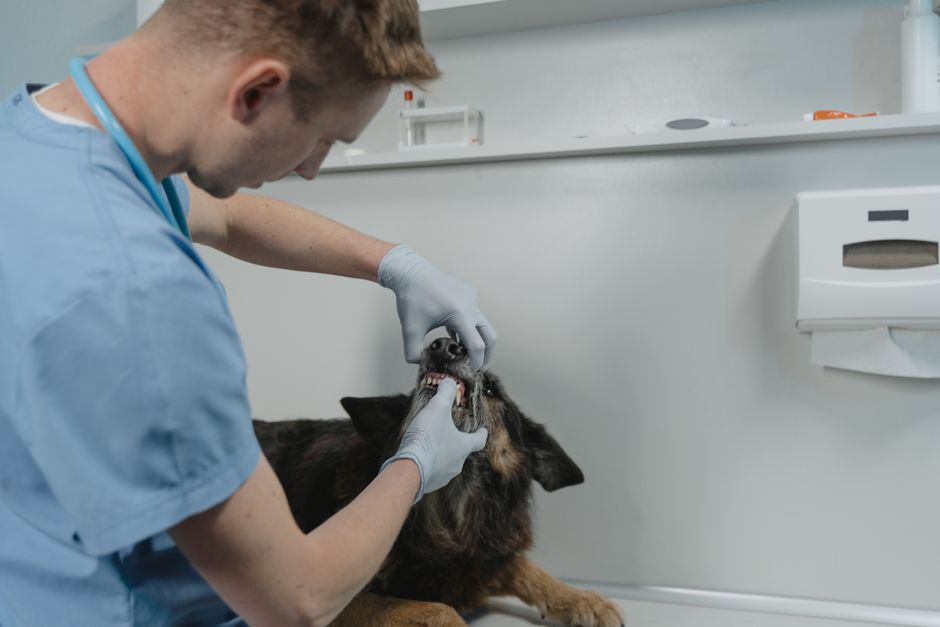
Some cats may show only the most subtle signs, like chewing on only one side of the mouth or dropping food while eating. Because these changes are easy to overlook, regular dental examinations are critical. Our wellness examinations focused on dental health are designed to detect tartar buildup, gum inflammation, and early periodontal disease before these symptoms progress.
Understanding Feline Gum Disease: Causes and Contributing Factors
Gum disease in cats is a progressive inflammatory condition that begins with plaque—a sticky film of bacteria—accumulating along the gumline. If not removed, this plaque hardens into tartar, which irritates the gums and triggers inflammation called gingivitis. Left untreated, gingivitis can advance to periodontitis, where the infection damages the tissues and bone supporting the teeth.
Several factors increase a cat’s risk of gum disease. Genetics can play a role; some breeds are more susceptible to dental issues. Diet is also important, as diets high in soft food and low in abrasive, dental-friendly kibble can encourage plaque buildup. Age is another consideration, with senior cats often experiencing more advanced dental problems. Immune system issues, certain viral diseases, and underlying health conditions can further complicate oral health.
A particularly severe form of oral inflammation, chronic feline gingivostomatitis, can cause widespread gum and mouth pain. For cats struggling with this condition, specialized treatment for chronic feline gingivostomatitis is sometimes required to achieve relief and restore quality of life.
How Gum Disease Affects Your Cat’s Overall Health
It may be tempting to think of dental disease as a problem limited to the mouth, but the reality is that gum disease can have far-reaching consequences for your cat’s entire body. As oral bacteria multiply and enter the bloodstream, they can affect vital organs like the heart, kidneys, and liver. Cats with advanced periodontal disease are at increased risk of developing heart conditions, kidney dysfunction, and chronic inflammation throughout the body.
Pain from gum disease also impacts a cat’s day-to-day life. Many cats with oral discomfort stop eating as much or avoid certain foods, which can lead to weight loss and malnutrition. Chronic pain can contribute to stress, reduced grooming, and withdrawal from normal social interactions. For older cats, untreated dental disease may even accelerate the progression of age-related health issues.
Advanced Treatment Options for Feline Gum Disease
When your cat is diagnosed with gum disease, professional intervention is essential to stop the progression and restore oral health. At Florida Veterinary Dental Services, we offer a comprehensive range of advanced treatments tailored to each cat’s unique needs. Treatment approaches involve thorough dental examinations under anesthesia, dental radiography to evaluate the extent of disease below the gumline, and specialized cleaning techniques to remove plaque and tartar.
For cases where gum disease has advanced, procedures such as periodontal surgery may be necessary to remove infected tissue and preserve tooth structure. In situations where teeth are too damaged or painful to save, our veterinary dental surgeons perform complex extractions with a focus on your cat’s comfort and long-term well-being.
Pain management is a crucial component of any feline dental treatment plan. Our oral pain management services are designed to keep your cat comfortable before, during, and after dental procedures. For complicated or recurring cases, intra-oral dental radiology and advanced imaging help us pinpoint the source of pain and develop a targeted treatment strategy.
Preventing Gum Disease: At-Home Care and Professional Support
While some degree of dental disease is common in adult cats, proactive care can significantly reduce your cat’s risk and help maintain a healthy mouth for years to come. Steps you can take at home include brushing your cat’s teeth with veterinarian-approved toothpaste, offering dental-friendly treats or diets, and monitoring for any changes in eating, grooming, or breath.
Despite the best at-home efforts, professional dental cleanings are vital for removing tartar and assessing your cat’s oral health. Our pet dental cleaning services go beyond what is possible at home, addressing both visible and hidden dental issues. Regular dental checkups allow our veterinary dental specialists to catch problems early, when treatment is most effective and less invasive.
Education is also key. Our team is always happy to demonstrate brushing techniques, recommend effective dental products, and answer your questions about maintaining your cat’s oral health between professional visits.
When to Seek Advanced Veterinary Dental Care
Knowing when to seek specialty care can make all the difference for your cat’s comfort and long-term health. It’s important to contact a veterinary dental specialist if you notice persistent bad breath, visible tartar, red or bleeding gums, changes in eating habits, or any signs of oral pain. Cats with chronic oral inflammation, suspected oral tumors, or complicated dental conditions benefit from the expertise and advanced technology available at a referral center like Florida Veterinary Dental Services.
If your cat has not had a dental examination within the past year, or if you are concerned about any aspect of your cat’s oral health, our team is here to provide answers and support. Specialty care is especially important for cats who have not responded to standard treatments or who require advanced procedures such as periodontal surgery, oral pain management, or complex dental extractions.
The Importance of Specialty Veterinary Dental Care in Coral Springs
Choosing a specialty veterinary dental practice ensures your cat receives care from highly trained professionals with access to the latest technology and treatment protocols. At Florida Veterinary Dental Services, our focus on dental and oral surgery for cats and other small animals means your cat will benefit from a depth of expertise not typically available in general practice settings.
Our facility in Coral Springs is equipped with advanced imaging—including intra-oral radiology and on-site CT scanning—to ensure thorough diagnosis and effective treatment plans. We work closely with your regular veterinarian to provide seamless, collaborative care for complex or recurring dental issues.
For cat owners searching for a "veterinary dental specialist near me," our practice offers the reassurance of board-certified expertise, compassionate service, and a commitment to improving your cat’s quality of life.
Take the Next Step: Protect Your Cat’s Health with Expert Dental Care
Gum disease in cats is more than a cosmetic concern; it is a condition that can cause pain, affect organ health, and diminish your cat’s wellbeing. By recognizing the early signs, seeking prompt veterinary dental care, and committing to preventive home care, you can help your cat enjoy a longer, healthier, pain-free life.
If you are concerned about your cat’s oral health or want to schedule an advanced dental examination, our veterinary dental specialists in Coral Springs are ready to help. Whether you need periodontal surgery, pet dental cleanings, or expert pain management, we provide the full spectrum of specialty dental care for cats. When searching for a "veterinary dental specialist vet near me," choose a team dedicated to both your cat’s comfort and their long-term health.
Contact Florida Veterinary Dental Services at (954) 396-9660 or visit us at 4101 Turtle Creek Drive, Coral Springs, FL 33067 to schedule your cat’s dental evaluation. Your cat’s health and happiness are our highest priorities—let us help you keep them purring and pain-free for years to come.