Dog Bleeding From Mouth Cancer: When to Seek Specialist Dental Care

Dog Bleeding From Mouth Cancer: When to Seek Specialist Dental Care
Discovering blood in your dog’s mouth or noticing signs of bleeding during meals or playtime can be distressing, especially when you suspect cancer may be the underlying cause. Oral tumors are a serious concern in dogs, and prompt evaluation by a veterinary dental specialist is crucial for accurate diagnosis and effective management. At Florida Veterinary Dental Services, our specialist team in Coral Springs, FL is dedicated to helping pet owners in Coral Springs and surrounding communities understand the complexities of dog bleeding from mouth cancer and what steps to take next. In this blog, we’ll explore how to recognize key symptoms, what causes oral bleeding in dogs with cancer, how veterinary dental specialists approach diagnosis and treatment, and when it’s time to seek advanced specialty care for your dog.
Recognizing the Signs: Is Your Dog Bleeding From the Mouth?
When a dog is bleeding from the mouth, it’s natural for pet owners to worry about potential causes, with cancer being among the most serious. Bleeding associated with oral tumors often presents differently than minor gum injuries or dental disease. Key symptoms include persistent or recurrent bleeding that may occur after eating, chewing on toys, or even without a clear trigger. Owners might also notice swelling inside the mouth or along the jaw, a foul odor, difficulty eating, drooling, or visible masses. It is not uncommon for dogs with oral cancer to paw at their face or show discomfort when their mouth is touched. These signs can develop gradually, so it’s important to be observant, particularly in older dogs or breeds predisposed to oral cancer.
If your dog displays bleeding from the mouth coupled with any of these symptoms, it may indicate more than routine dental problems. Early recognition is vital, as prompt intervention by a veterinary dental specialist can significantly impact your dog’s outcome and comfort.
Understanding Why Dog Bleeding From Mouth Cancer Occurs
Oral cancer in dogs can take several forms, with malignant melanoma, squamous cell carcinoma, and fibrosarcoma among the most common. These tumors often develop in the gums, palate, lips, or jawbone. Cancerous growths disrupt the normal tissue structure, causing ulceration, inflammation, and invasion of blood vessels, which can result in spontaneous or persistent bleeding.
The likelihood of a tumor causing mouth bleeding depends on its size, location, and aggressiveness. For instance, tumors along the gumline may bleed more easily due to their exposure to chewing and oral hygiene routines. Some oral cancers are prone to rapid growth and tissue destruction, while others progress more slowly but may still cause significant discomfort and bleeding over time.
In many cases, oral tumors are not immediately obvious, especially in their early stages. That’s why routine dental examinations and advanced imaging play a critical role in identifying abnormalities before they become severe. If you are searching for a pet examination near me, a veterinary dental specialist offers the expertise and technology needed to accurately assess oral health and detect cancerous changes.
Specialist Diagnosis and Treatment for Dog Bleeding From Mouth Cancer
Advanced Diagnostics: Getting the Full Picture
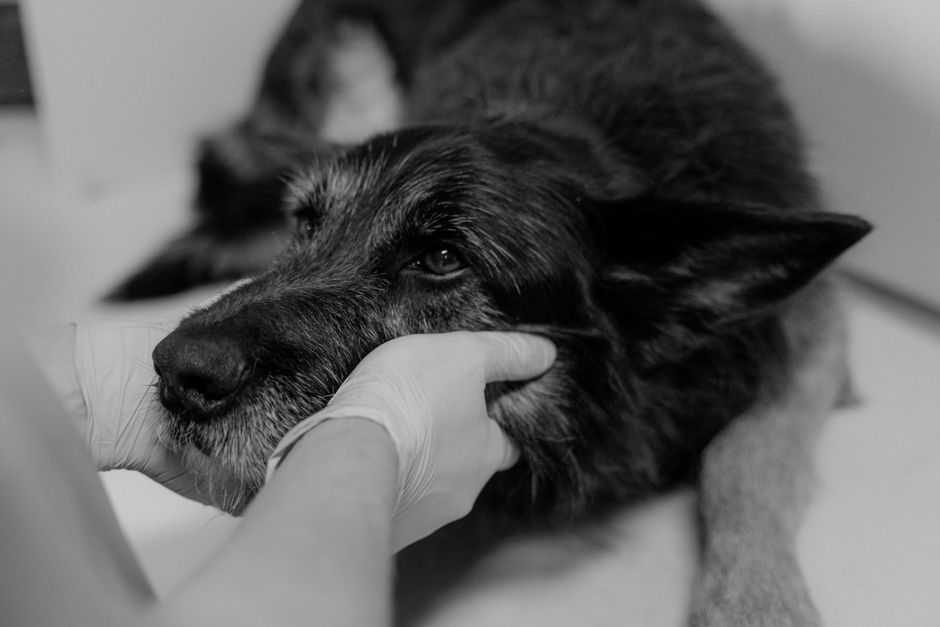
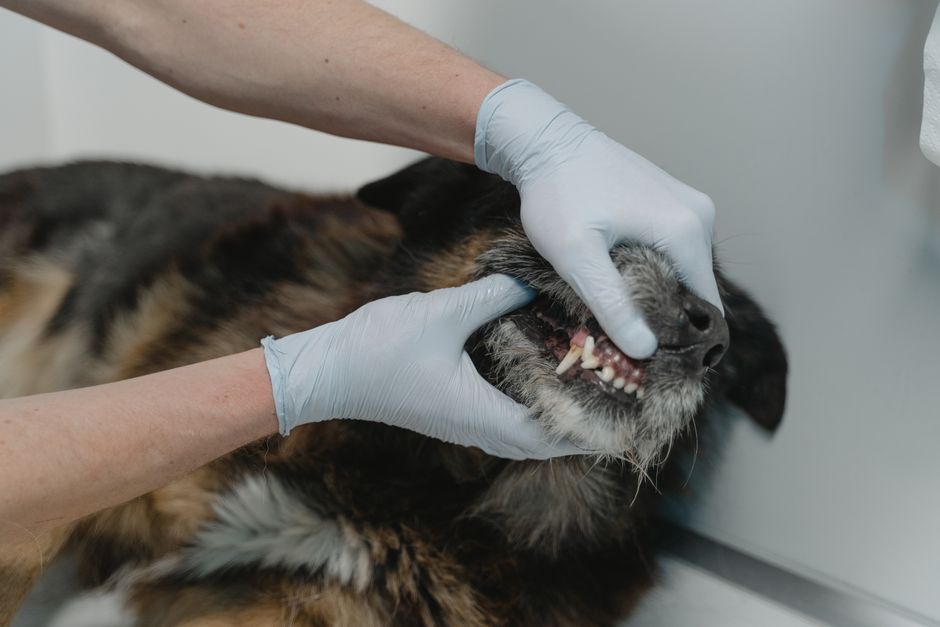
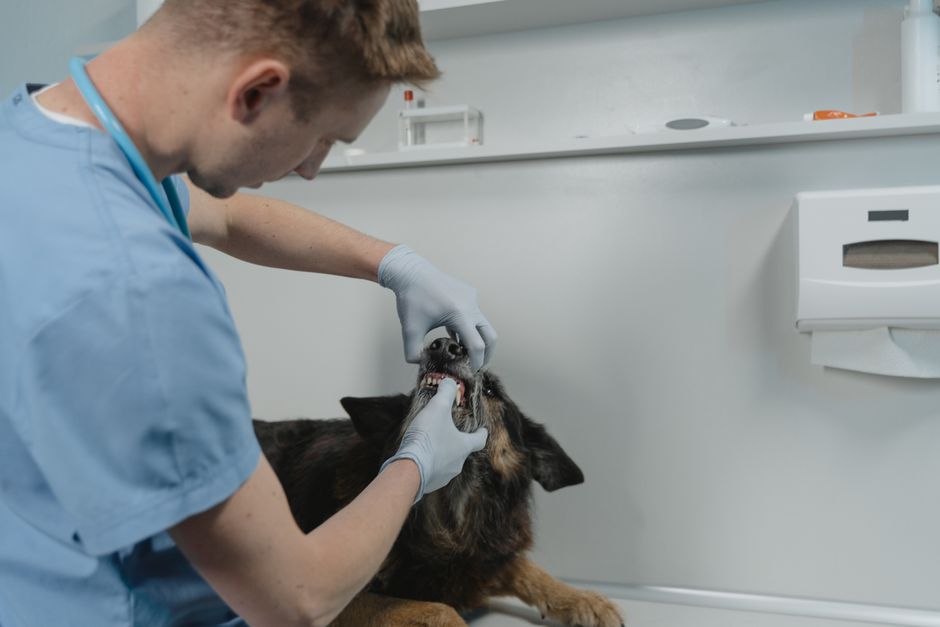
When a general veterinarian or pet owner suspects oral cancer due to symptoms like bleeding, a referral to a veterinary dental specialist is often the next step. At Florida Veterinary Dental Services, our team employs advanced diagnostic tools to precisely identify and stage oral tumors. Diagnosis often begins with a thorough oral examination under sedation or anesthesia, allowing our specialists to carefully inspect all tissues and measure the extent of the tumor.
Imaging is a cornerstone of effective cancer diagnosis. Techniques such as intra-oral dental radiology and on-site CT scanning allow us to visualize the tumor’s relationship to surrounding bone and soft tissues, determine whether cancer has invaded deeper structures, and plan the most effective treatment strategy. Biopsies, in which a small tissue sample is collected and analyzed, confirm the diagnosis and help identify the specific cancer type.
Treatment Approaches: What to Expect
Treatment options for dog bleeding from mouth cancer are determined by the tumor’s type, size, location, and whether it has spread. Surgical removal of the tumor is often the primary approach, as it provides the best chance for local control and relief from bleeding. Our specialty team is experienced in complex oral and facial tumor surgery, including procedures involving the jawbones, palate, and surrounding facial tissues.
In some cases, additional therapies such as oral oncology surgery, radiation therapy, or chemotherapy may be recommended, particularly for aggressive or inoperable tumors. The goal is always to reduce tumor burden, control bleeding, alleviate pain, and improve quality of life. Pain management is a critical component of care, and our specialists offer advanced oral pain management tailored to each dog’s needs.
Throughout the treatment process, our veterinary dental team works closely with your primary care veterinarian and, when appropriate, other veterinary specialists to ensure a comprehensive and coordinated care plan.
Home Care and Comfort Measures for Dogs With Oral Tumors
While professional treatment is essential for managing cancer, there are supportive steps pet owners can take at home to maintain their dog’s comfort and minimize complications. Feeding soft foods can reduce oral trauma and make eating less painful for dogs with mouth tumors. Monitoring your dog’s appetite, hydration, and behavior provides valuable information about their well-being and helps the veterinary team adjust pain medications or supportive care as needed.
It’s important to avoid attempting to remove or treat oral masses at home, as this can cause increased bleeding or infection. Gentle cleaning around the mouth with a damp cloth can help keep the area clean, but any manipulation should be minimal unless advised by your veterinary team.
Regular follow-up visits and open communication with your veterinary dental specialist ensure that any changes in bleeding or discomfort are addressed promptly. Our team is here to guide you every step of the way, offering expert advice and advanced care to support your dog’s unique needs.
When to Seek Specialty Veterinary Dental Care
Some oral symptoms in dogs, such as minor gum bleeding, may be managed by your primary care veterinarian. However, persistent or unexplained bleeding, especially when accompanied by visible masses, swelling, or difficulty eating, warrants immediate attention from a veterinary dental specialist. Dog bleeding from mouth cancer can progress quickly, and delays in diagnosis or treatment may reduce treatment options or complicate pain management.
If your dog is experiencing sudden or severe bleeding, difficulty breathing, or appears to be in significant distress, this qualifies as a veterinary emergency. In these situations, contact your primary veterinarian or seek emergency veterinary care right away, as stabilization may be needed before specialty diagnostics or surgery can be performed.
For ongoing symptoms like intermittent bleeding or suspected tumors, a referral to our specialty dental and oral surgery team at Florida Veterinary Dental Services provides access to advanced diagnostics, specialized surgical expertise, and compassionate care focused on restoring your dog’s comfort and quality of life.
Choosing a Specialty Dental Vet Near Me for Dog Bleeding From Mouth Cancer
When your dog is confronting a serious condition like oral cancer, finding a specialty dental vet near you with advanced training and technology is invaluable. At Florida Veterinary Dental Services in Coral Springs, FL, our team of board-certified veterinary dental specialists is committed to providing the highest level of care for dogs facing bleeding from mouth cancer and other complex oral conditions.
We encourage pet owners to reach out as soon as they notice concerning symptoms, as early intervention can make a profound difference in both comfort and prognosis. Whether you have been referred by your primary veterinarian or are searching for advanced oral care, our practice welcomes new patients from Coral Springs and the surrounding area.
If you are facing the challenge of managing dog bleeding from mouth cancer, our compassionate team is here to help you navigate treatment options and support your dog’s health every step of the way. To schedule a consultation or learn more about our services, contact Florida Veterinary Dental Services at (954) 396-9660 or visit our location at 4101 Turtle Creek Drive, Coral Springs, FL 33067. For those searching for a specialty dental vet near me, our practice combines advanced expertise, state-of-the-art technology, and genuine compassion for every patient.
Remember, oral bleeding in dogs can signal a serious problem, and seeking prompt, specialized care from a veterinary dental team is the best step you can take for your dog’s comfort and well-being.