Mouth Cancer in Dogs: Signs, Treatment, and When to See a Specialist

Mouth Cancer in Dogs: Signs, Treatment, and When to See a Specialist
Mouth cancer in dogs is a frightening diagnosis for any pet owner, but understanding the signs and knowing when to seek specialized care can make all the difference in your dog's comfort and prognosis. At Florida Veterinary Dental Services, our team led by Dr. Fuentes in Coral Springs, FL is dedicated to providing advanced dental and oral surgery, including the latest diagnostics and treatments for oral tumors. This blog will help you recognize early symptoms of mouth cancer in dogs, explain risk factors, outline modern treatment options, and guide you on when a referral to a veterinary dental specialist is needed. Whether your family veterinarian has found an unusual growth or you have noticed changes in your dog's mouth at home, our specialists are here to support you and your pet through every step of diagnosis and care.
Recognizing the Signs: How to Spot Mouth Cancer in Dogs
Pet owners are often the first to notice subtle changes in their dog's behavior or appearance that could signal mouth cancer. Early detection is critical for improving outcomes, so it helps to be aware of what to watch for. Symptoms of mouth cancer in dogs commonly include persistent bad breath that does not improve with dental cleanings, visible masses or lumps on the gums, lips, or under the tongue, and unexplained bleeding from the mouth. You may also notice loose teeth without a history of trauma, difficulty chewing or swallowing, excessive drooling, or a reluctance to play with toys that require biting. Some dogs develop facial swelling, which may cause asymmetry or visible deformity along the jawline or cheek. In more advanced cases, dogs might lose weight as eating becomes painful or difficult.
While these symptoms can be caused by other dental or medical issues, their persistence or sudden onset should prompt a thorough evaluation by your veterinarian. If a mass or abnormality is seen during a routine exam, your family veterinarian may recommend referral to a specialist for advanced imaging and biopsy. At our center in Coral Springs, we offer veterinary dental examinations designed to detect early oral problems, which can make a significant difference in outcomes for dogs facing mouth cancer.
Understanding the Causes: What Leads to Mouth Cancer in Dogs?
Mouth cancer in dogs encompasses several types of malignant tumors, with the most common being malignant melanoma, squamous cell carcinoma, and fibrosarcoma. Each type arises from different cells within the mouth, but they all share the potential to be aggressive and locally invasive. While the exact cause of oral cancer in dogs is often unknown, certain risk factors have been identified. These include age, with most cases occurring in middle-aged and older dogs, as well as genetic predispositions in some breeds such as Cocker Spaniels, German Shepherds, and Golden Retrievers. Exposure to environmental toxins like tobacco smoke, chronic inflammation from untreated dental disease, and trauma to oral tissues may also contribute to cancer development.
It is important to note that finding a lump or mass in your dog's mouth does not automatically mean cancer; benign growths and inflammatory lesions are also possible. However, because oral cancers can grow quickly and invade surrounding tissues, prompt evaluation by a veterinary dental specialist is recommended whenever a suspicious lesion is found.
Advanced Diagnostics: How Specialists Confirm and Stage Oral Tumors
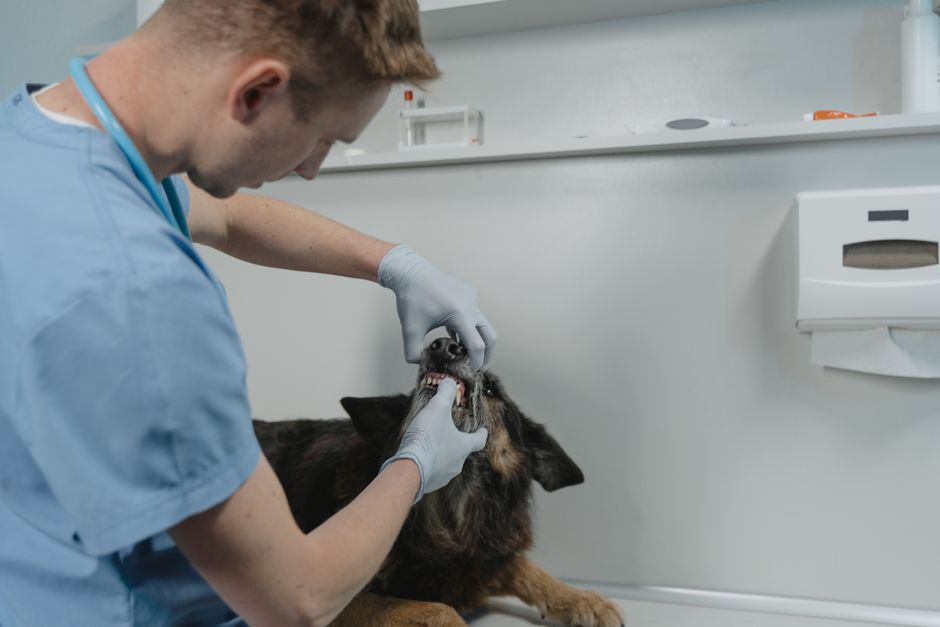
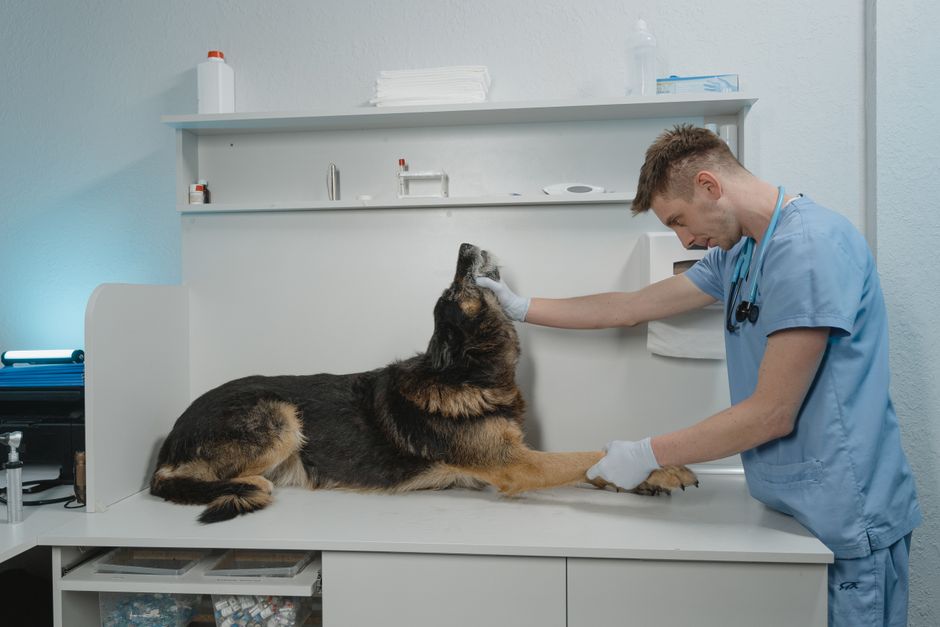
Diagnosing mouth cancer in dogs requires a combination of clinical examination, advanced imaging, and tissue biopsy. General practitioners often refer patients to specialty centers like Florida Veterinary Dental Services for access to specialized equipment and expertise. During your dog's consultation, our veterinary dental team will perform a detailed oral examination, often under sedation to fully visualize all areas of the mouth.
High-quality dental radiographs, such as those provided by our intra-oral dental radiology service, allow us to assess the extent of the tumor below the gumline and evaluate bone involvement. For more complex cases or when planning surgical intervention, our on-site CT scanning provides detailed cross-sectional images of the head, jaw, and facial structures, offering critical information about tumor boundaries and possible spread.
A definitive diagnosis requires a tissue biopsy, which our veterinarians perform using minimally invasive techniques whenever possible. The biopsy sample is sent to a veterinary pathologist, who identifies the tumor type and grades its aggressiveness. This information, combined with imaging results, helps our team develop an individualized treatment plan for your dog.
Treatment Approaches: Managing Mouth Cancer in Dogs
Treating mouth cancer in dogs is a highly specialized process that depends on the tumor type, location, size, and whether it has spread to other areas. At Florida Veterinary Dental Services, we focus exclusively on advanced dental and oral surgery, offering a range of options to manage oral tumors and maximize your dog's comfort.
The cornerstone of treatment for most oral cancers is surgical removal of the tumor with a margin of healthy tissue. Our oral and facial tumor surgery service is designed to address tumors affecting the mouth, jaw, or facial region, with surgical plans tailored to preserve as much function and normal appearance as possible. For some tumors, complete removal may involve partial jaw resection; our specialized training and equipment enable us to manage these complex cases while supporting your dog's recovery.
In cases where tumors cannot be fully removed or have characteristics that make surgery alone insufficient, we may recommend adjunctive therapies. This could include referral for radiation therapy or chemotherapy, often in collaboration with local oncology partners. Our oral oncology surgery service also helps manage cancerous or suspected tumors using advanced surgical techniques.
Pain management is a key part of our approach, and our team designs protocols to ensure your dog remains comfortable before, during, and after treatment. We also provide guidance on nutritional support and home care to help your dog maintain quality of life during recovery.
Prevention and Home Care: Supporting Your Dog’s Oral Health
While it is not always possible to prevent mouth cancer in dogs, maintaining good oral hygiene and scheduling regular dental checkups can reduce risk factors and aid in early detection. Brushing your dog's teeth at home, offering dental-safe toys, and avoiding exposure to tobacco smoke are steps you can take to support oral health. Pay close attention to your dog's eating habits, breath odor, and any changes in the appearance of their gums or teeth.
Bringing your dog in for annual or semi-annual dental examinations allows your veterinarian to identify problems before they become advanced. If your dog has had oral tumors in the past, more frequent checkups may be recommended. Our veterinary dental team can provide personalized guidance on at-home care routines and recommend products that support oral health.
When to See a Veterinary Dental Specialist
Knowing when to seek specialized care can be crucial for dogs with suspected or diagnosed mouth cancer. You should schedule a consultation with a veterinary dental specialist if your dog has a persistent mass or sore in the mouth, experiences unexplained bleeding, develops facial swelling, or has loose teeth without apparent cause. Referrals are also appropriate when an oral tumor has been diagnosed and advanced imaging or complex surgery is needed.
At Florida Veterinary Dental Services, we see patients by referral and work closely with your family veterinarian to ensure a seamless transition of care. Our advanced diagnostics and treatment options are designed to give your dog the best possible outcome. Delaying care can result in tumor progression, making treatment more difficult and potentially reducing your dog's comfort and prognosis.
If you are searching for a "dental specialist vet near me," our team in Coral Springs is committed to providing expert, compassionate care for dogs with oral tumors and other complex dental conditions.
Compassionate Dental Care for Dogs With Mouth Cancer in Coral Springs
Mouth cancer in dogs is a serious diagnosis, but early recognition and specialized treatment can greatly improve your dog's comfort and quality of life. If you notice any concerning changes in your dog's mouth or have received a recommendation from your family veterinarian, do not wait to seek advanced care. At Florida Veterinary Dental Services, we combine leading-edge diagnostics with skilled surgical intervention and ongoing support for you and your dog. Our pet dental examinations, oral and facial tumor surgery, and oral oncology surgery services are available by referral to provide the best path forward.
If you are looking for a "dental specialist vet near me," or have questions about mouth cancer in dogs, we encourage you to contact our veterinary dental professionals at Florida Veterinary Dental Services today. Call (954) 396-9660 to speak with our team or schedule an appointment at our Coral Springs location. We are dedicated to helping you and your dog navigate every stage of diagnosis, treatment, and recovery with compassion and expertise.
Disclaimer: This article is for informational purposes only and does not replace professional veterinary advice. Always consult a veterinarian for diagnosis and treatment recommendations specific to your dog’s needs.