Recognizing Signs of Oral Cancer in Dogs: What Owners Should Know

Recognizing Signs of Oral Cancer in Dogs: What Owners Should Know
If you have noticed unusual changes in your dog's mouth, you are not alone in your concern. Oral cancer in dogs is a challenging and sometimes frightening diagnosis, but early recognition of warning signs can make a real difference in your dog’s comfort, prognosis, and quality of life. At Florida Veterinary Dental Services, a specialist veterinary dental and oral surgery center located in 4101 Turtle Creek Drive, Coral Springs, FL 33067, our team is dedicated to helping dog owners recognize, diagnose, and treat complex oral conditions. In this article, we will discuss the early signs of oral cancer in dogs, explore why these tumors develop, review advanced options for diagnosis and treatment, and guide you on when to seek expert veterinary dental care in Coral Springs and surrounding communities. Understanding these signs can be life-changing for your dog and provide peace of mind for you.
Understanding the Signs of Oral Cancer in Dogs
Oral cancer in dogs can present in subtle or dramatic ways, making it essential for dog owners to be vigilant about any changes in their dog’s mouth and overall behavior. Early detection often leads to better treatment options and outcomes, so knowing what to look for is key.
Common Symptoms and Early Warning Signs
The most recognizable signs of oral cancer in dogs often start with visible or behavioral changes. Key symptoms include persistent bad breath that does not improve with regular dental care, visible masses or lumps on the gums, tongue, or roof of the mouth, and unexplained bleeding from the mouth. Owners may also notice loose teeth in an otherwise healthy mouth, difficulty chewing or swallowing, excessive drooling, or a sudden reluctance to eat hard foods. Other signs are facial swelling, pawing at the mouth, or a noticeable change in the appearance of your dog’s jaws or face. Sometimes, you might observe weight loss or decreased activity if eating becomes painful for your dog.
It is important to remember that not every oral mass is cancerous, but any new lump, bump, or persistent sore should always be investigated by a veterinary professional. For a more in-depth look at how we diagnose and treat oral tumors, you can review our oral and facial tumor surgery services.
Subtle Behavioral Changes to Watch For
Beyond obvious physical signs, some dogs may only show subtle behavior changes as a result of oral discomfort. These include dropping food while eating, favoring one side of the mouth, or withdrawing from chew toys and treats they previously enjoyed. Changes in social behavior, such as increased irritability or hiding, can also reflect underlying pain or discomfort. Persistent bad breath, even after a professional cleaning, is another sign that should not be ignored. If you notice any of these changes, a professional evaluation is always the best next step.
What Causes Oral Cancer in Dogs?
Understanding the possible causes of oral cancer in dogs can help owners make informed decisions about prevention and care. While the exact cause of most oral tumors remains unclear, certain risk factors and underlying conditions are associated with increased risk.
Types of Oral Tumors in Dogs
The most common oral cancers in dogs include malignant melanoma, squamous cell carcinoma, and fibrosarcoma. These tumors can develop in the gums, lips, tongue, palate, or jawbones. Each type of tumor behaves differently; for example, melanomas are known for their aggressive nature and potential to spread to other organs, while fibrosarcomas may grow rapidly but are less likely to metastasize.
Risk Factors and Genetics
While all dogs can potentially develop oral cancer, older dogs are at higher risk, and certain breeds may be more susceptible due to genetic predispositions. Chronic dental disease, exposure to environmental carcinogens such as tobacco smoke, and long-term inflammation in the mouth are additional risk factors. Still, many cases occur without any identifiable cause.
Advanced Diagnosis and Treatment Options at a Veterinary Dental Specialty Center
When oral cancer is suspected, prompt and specialized care is essential. At Florida Veterinary Dental Services, our board-certified veterinary dental team uses advanced diagnostic tools and techniques to achieve an accurate diagnosis and create a comprehensive treatment plan.
Diagnostic Tools and Imaging
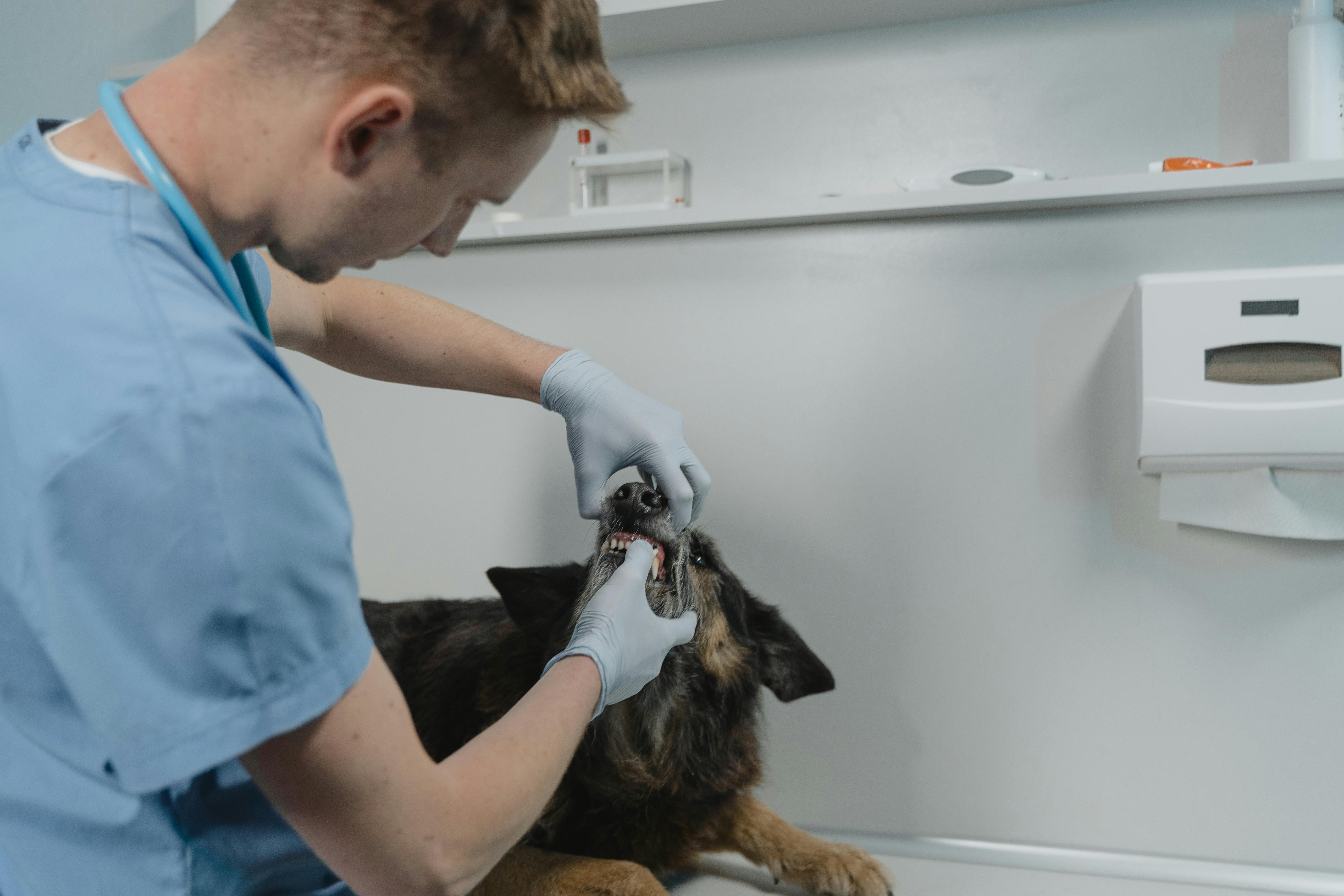
Diagnosis starts with a thorough oral examination, often under sedation, to fully visualize all areas of the mouth and throat. In addition, advanced imaging such as dental radiography or on-site CT scans allows our veterinary professionals to determine the tumor’s size, location, and whether the cancer has invaded surrounding tissues or bones. For more details on our imaging capabilities, visit our page on dental radiography for comprehensive oral assessment.
A biopsy is frequently necessary to confirm a diagnosis and identify the specific type of tumor. Laboratory analysis of the tissue sample provides crucial information for planning treatment. Our team also evaluates your dog’s overall health to ensure the safest approach to anesthesia and surgery.
Treatment Approaches for Oral Cancer in Dogs
Treatment options for oral cancer in dogs depend on the tumor’s type, location, and stage. Surgery is often the mainstay of therapy, aiming to remove the entire mass with a margin of healthy tissue whenever possible. Our specialty center offers advanced surgical techniques to optimize outcomes and minimize discomfort. In some cases, adjunctive therapies such as radiation, chemotherapy, or cryotherapy may be recommended, especially for malignant or aggressive tumors.
Pain management and supportive care are always priorities; our team is committed to your dog’s comfort before, during, and after any procedure. For more information about our surgical expertise, you can learn about oral oncology surgery for dogs with oral cancer.
Home Care and Prevention: What Dog Owners Can Do
While not all cases of oral cancer can be prevented, regular home care and vigilance make a difference in early detection and overall oral health.
At-Home Monitoring and Care
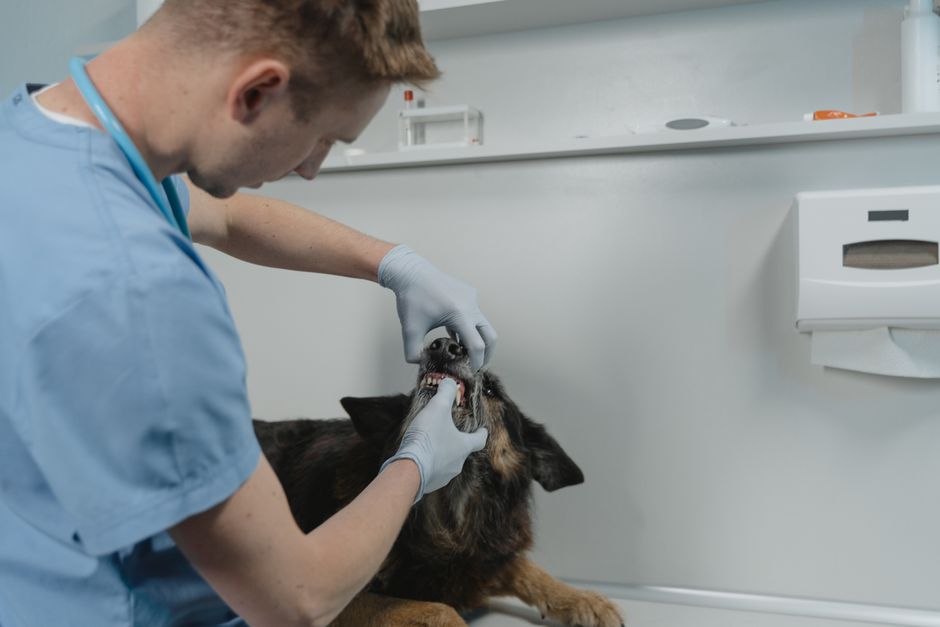
Routinely check your dog’s mouth for any changes such as lumps, sores, or bleeding. Gently lift the lips and examine the gums, teeth, and tongue. Brushing your dog’s teeth regularly, along with offering dental chews and scheduling professional cleanings, can help you spot problems early. If your dog resists oral care or seems uncomfortable, this can signal a deeper issue that needs attention.
The Importance of Routine Examinations
Annual or biannual veterinary dental examinations are vital for detecting oral cancer and other dental diseases before they become advanced. During a comprehensive dental exam, our veterinary dental team can identify subtle changes that might be missed at home and recommend further diagnostics or treatment as needed. Understanding the value of early detection is essential; you can read more about our pet dental wellness exams and how they help catch issues like oral cancer in the earliest stages.
When to Seek Specialized Veterinary Dental Care
Any new lump, persistent sore, unexplained bleeding, or change in your dog’s eating habits warrants prompt evaluation by a veterinary professional. If your family veterinarian identifies a suspicious lesion or oral mass, they may refer you to a specialty center such as Florida Veterinary Dental Services for advanced diagnostics and treatment.
If your dog is experiencing difficulty eating, facial swelling, severe pain, or rapid changes in oral health, specialized care should not be delayed. Our Coral Springs specialty dental practice provides expert assessment, advanced imaging, and surgical intervention for complex cases. Our goal is to work in partnership with your primary care veterinarian to ensure your dog receives the best possible care.
Supporting Your Dog: Compassion, Expertise, and Local Care
Recognizing the signs of oral cancer in dogs is the first step in taking charge of your dog’s oral health. At Florida Veterinary Dental Services, we understand how concerning these changes can be and are here to guide you every step of the way. Our board-certified veterinary dental team in Coral Springs, FL offers advanced diagnostics, surgery, and compassionate support for you and your dog.
If you have noticed any of the signs of oral cancer in dogs or have concerns about your dog’s oral health, do not wait to seek answers. Call Florida Veterinary Dental Services at (954) 396-9660 to schedule a consultation or ask your family veterinarian for a referral. When searching for a specialty vet near me, look for a team with proven expertise in oral and maxillofacial conditions. For more information about our services or to take the next step in protecting your dog’s comfort and quality of life, explore our resources on oral and facial tumor surgery and oral oncology surgery.
Your dog’s health and happiness are our highest priorities. Let us help you navigate every aspect of your dog’s oral health journey with the expert care and compassion you both deserve.
This blog is intended for informational purposes only and does not replace professional veterinary advice. If you suspect your dog may be suffering from oral cancer or any oral health issue, contact a veterinary professional promptly for diagnosis and treatment.