Dog Bleeding From Mouth Cancer: What Pet Owners Should Do

Dog Bleeding From Mouth Cancer: What Pet Owners Should Do
When you notice your dog bleeding from the mouth, it can be alarming—especially if you already know or suspect your dog may have oral cancer. As a pet owner, seeing blood on toys, bedding, or around your dog’s mouth raises urgent questions about their comfort, safety, and next steps. At Florida Veterinary Dental Services, a specialty veterinary dental and oral surgery center located at 4101 Turtle Creek Drive, Coral Springs, FL 33067, we understand how distressing this situation can be. Our team of board-certified veterinary dental specialists is dedicated to helping you address symptoms like dog bleeding from mouth cancer with advanced diagnostics, compassionate care, and tailored treatment options. In this article, we’ll help you recognize the signs of oral bleeding related to cancer in dogs, understand why it happens, explore available treatments, and provide tips on supporting your dog’s comfort at home. We’ll also guide you on when to seek specialized veterinary dental care in Coral Springs and surrounding communities.
Recognizing the Signs: Is Your Dog Bleeding From Mouth Cancer?
Spotting blood in or around your dog’s mouth is never something to ignore, but it’s especially concerning if your dog has been diagnosed with or is at risk for oral cancer. Signs that your dog may be experiencing bleeding related to mouth cancer include noticing fresh blood on chew toys or bedding, observing blood-tinged saliva, or seeing oozing from the gums, lips, or inside the cheeks. Additional symptoms can include difficulty eating, sudden bad breath, visible masses or swellings in the mouth, and increased drooling. Dogs may paw at their face, seem reluctant to chew, or suddenly drop food while eating. In some cases, bleeding may be intermittent; in others, it can be persistent and even severe, leading to anemia or weakness.
It’s important to remember that oral bleeding has many potential causes in dogs, such as dental disease, trauma, or foreign objects. However, when oral cancer is present, bleeding is often an early warning sign that the tumor is ulcerated or has invaded local blood vessels. If your dog is showing any of these symptoms, or if you have an older dog with a history or suspicion of oral tumors, prompt veterinary evaluation is essential.
Understanding Why Oral Tumors Cause Bleeding
Oral cancers in dogs can take many forms, with the most common types being malignant melanoma, squamous cell carcinoma, and fibrosarcoma. These tumors often develop along the gums, palate, tongue, or inner cheeks. The mouth is a highly vascular area; tumors can quickly disrupt normal tissue, leading to ulcerations and exposure or erosion of blood vessels. As the tumor grows, it may become friable, meaning it bleeds easily with even minor trauma, such as chewing or licking.
In addition to direct tumor invasion, oral cancers can cause inflammation that weakens surrounding tissues and predisposes them to infection. This combination of tumor growth, tissue breakdown, and secondary infection is a common reason for persistent or recurrent oral bleeding in dogs with mouth cancer. The risk of bleeding can increase if your dog chews on hard objects, eats kibble, or experiences accidental trauma to the affected area.
Some dogs may have tumors that produce very little bleeding at first, while others develop severe bleeding early in the disease. The location, size, and type of tumor all influence how and when bleeding occurs. Understanding these factors is vital for developing an individualized treatment plan and managing your dog’s comfort.
Veterinary Treatment Options for Dogs Bleeding From Mouth Cancer
Managing dog bleeding from mouth cancer requires specialized veterinary dental and oral surgical expertise. At Florida Veterinary Dental Services in Coral Springs, our team focuses on advanced diagnostics and targeted therapies to provide the best possible outcomes for your pet.
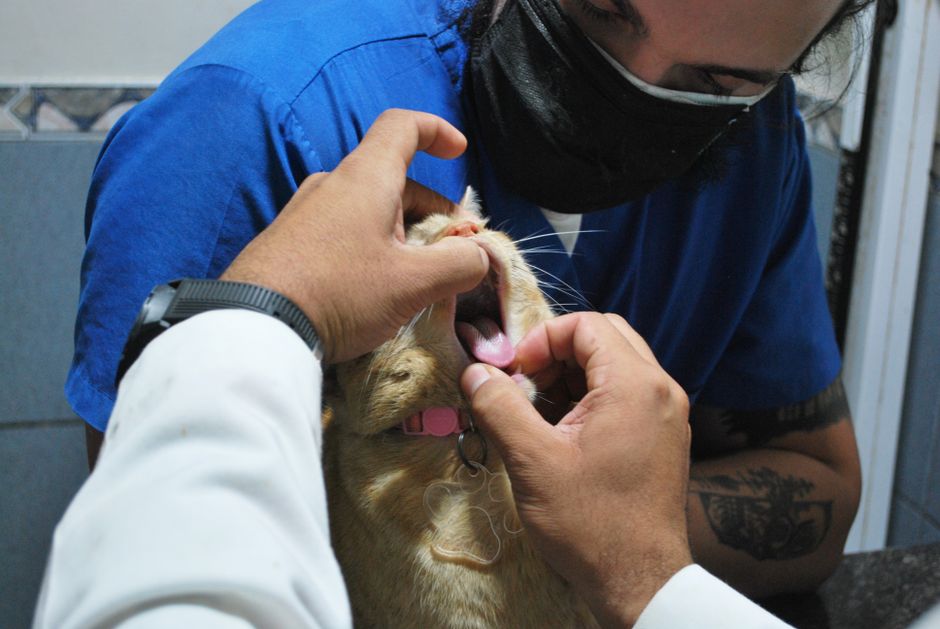
The first step is a thorough oral examination, often under sedation, to assess the location and severity of the tumor and bleeding. Advanced imaging such as dental radiographs or CT scans is recommended to determine the tumor’s extent and guide treatment planning. Our veterinary dental specialists may recommend oral and facial tumor surgery to remove the tumor, reduce bleeding, and improve your dog’s quality of life. In some cases, oral oncology surgery may be necessary for more complex or advanced tumors.
Treatment approaches include surgical excision of the tumor, which can range from local removal to more extensive maxillofacial surgery depending on the tumor’s size and invasion. Some tumors may respond to adjunctive therapies such as cryotherapy or laser ablation, both of which can help control bleeding and reduce tumor mass. For dogs not candidates for surgery, palliative treatments focus on minimizing pain, infection, and bleeding. Our team may also use advanced imaging and minimally invasive techniques to target tumors while preserving as much healthy tissue as possible.
Managing oral pain is essential for dogs with bleeding tumors. Our practice offers comprehensive oral pain management strategies, including local anesthetic blocks, systemic medications, and supportive therapies to ensure your dog’s comfort before, during, and after treatment. Throughout this process, we collaborate closely with your primary veterinarian and, when needed, with oncology specialists to provide the best multidisciplinary care.
Supporting Your Dog at Home: Comfort and Prevention Tips
While veterinary intervention is critical for treating mouth cancer and associated bleeding, there are steps you can take at home to support your dog’s comfort between visits. Providing soft, easy-to-eat foods such as moistened kibble or canned diets can minimize trauma to sensitive oral tissues. Avoid giving your dog hard chew toys, bones, or treats that could irritate or injure the tumor area. Monitor your dog’s mouth daily for changes in bleeding, swelling, or odor, and keep a record of any new symptoms to share with your veterinary team.
Maintaining gentle oral hygiene is important, but never attempt to brush or clean areas that are actively bleeding or painful without veterinary guidance. Instead, focus on keeping your dog’s living area clean and reducing sources of stress. If your dog is prescribed medications for pain or infection, administer them exactly as directed and alert your veterinarian to any side effects or changes in appetite.
Preventive measures for dogs at risk of oral cancer include regular wellness examinations with both your primary veterinarian and dental specialists. Early detection of oral tumors can make a significant difference in outcomes, so don’t delay routine checkups or professional cleanings, especially for senior dogs or breeds prone to oral disease.
When to Seek Specialized Veterinary Dental Care
Bleeding from the mouth is always a reason to consult a veterinary professional, but certain situations require urgent attention. You should seek immediate evaluation if your dog’s oral bleeding is heavy, does not stop within a few minutes, or is accompanied by weakness, collapse, or difficulty breathing. Other red flags include sudden swelling, visible tumors growing rapidly, difficulty eating or drinking, or signs of severe pain.
If your primary veterinarian identifies or suspects mouth cancer, referral to a specialty center like Florida Veterinary Dental Services is recommended for advanced diagnostics and treatment. Our veterinary dental team is equipped to handle complex cases, provide targeted interventions to control bleeding, and offer compassionate support throughout your dog’s care journey.
We encourage you to reach out if bleeding episodes become more frequent, if your dog’s quality of life is declining, or if you have questions about managing oral tumors at home. Prompt action can improve comfort, extend quality time with your dog, and help you make informed decisions about treatment options.
The Role of a Veterinary Dental Specialist in Managing Dog Bleeding From Mouth Cancer
Not all veterinary clinics have the expertise or equipment to manage advanced oral tumors and the complications they cause. At Florida Veterinary Dental Services, our board-certified veterinary dental specialists use the latest surgical techniques, diagnostic imaging, and pain management protocols to address even the most challenging cases of dog bleeding from mouth cancer.
We collaborate with your primary care veterinarian to develop an individualized plan for your dog, focusing on both immediate symptom control and long-term quality of life. Our commitment to compassionate, evidence-based care means you can trust your dog’s health is in experienced hands. Whether your dog needs emergency intervention, surgical tumor removal, or ongoing pain management, our team is here to guide you every step of the way.
Take Action for Your Dog’s Comfort and Health
If you’re seeing signs of dog bleeding from mouth cancer, don’t wait to seek help. Every moment matters when it comes to your dog’s comfort and wellbeing. The veterinary dental specialists at Florida Veterinary Dental Services in Coral Springs are ready to provide advanced diagnostics, surgical expertise, and compassionate support for you and your pet. When searching for a specialty dental vet near me, look for a center with board-certified veterinary dentists, state-of-the-art technology, and proven experience managing complex oral tumors.
To discuss your concerns, schedule an evaluation, or get more information about emergency care for pets with oral bleeding, call our team of veterinarians at (954) 396-9660. Early intervention can make a difference, and we are here to help you and your dog every step of the way.
For additional details about our advanced oral and facial tumor surgery options, visit our page on oral and facial tumor surgery. Remember, your dog’s comfort and health are our top priorities—reach out today to ensure they receive the specialty care they deserve.