Dog Mouth Cancer Symptoms: What Every Pet Owner Should Know

Dog Mouth Cancer Symptoms: What Every Pet Owner Should Know
Dog owners are often the first to notice subtle changes in their furry companion’s health, especially when it comes to eating, chewing, or even just enjoying their favorite treat. One of the most concerning issues that can arise is the appearance of oral tumors or cancer in your dog’s mouth. Recognizing dog mouth cancer symptoms early is crucial for getting your dog the specialized care they need. At Florida Veterinary Dental Services, located at 4101 Turtle Creek Drive, Coral Springs, FL 33067, our team of board-certified veterinary dental specialists is dedicated to diagnosing and treating complex dental and oral conditions, including oral cancers. In this guide, we’ll help you understand what symptoms to watch for, how these cancers are diagnosed and treated, and when to seek advanced referral care for your dog in Coral Springs and the surrounding communities.
Recognizing Dog Mouth Cancer Symptoms
Many pet owners first become aware of a problem when their dog’s eating habits or breath change, or when they notice something unusual during routine care. Dog mouth cancer symptoms can vary widely depending on the type, size, and location of the tumor, but there are several key signs that should never be ignored. Common symptoms include persistent bad breath (halitosis) that doesn’t improve with dental cleanings, visible growths or masses inside the mouth, bleeding from the gums or mouth, and difficulty chewing or swallowing. You might also notice swelling on one side of the jaw or face, drooling more than usual, loose or displaced teeth, or unexplained weight loss. Other warning signs can be oral pain, pawing at the mouth, or reluctance to play with toys they once enjoyed. While these symptoms can relate to several dental or oral issues, any persistent or progressive changes should prompt a visit to your family veterinarian, who may then recommend a referral to a specialty center like Florida Veterinary Dental Services for advanced diagnostics and care.
If you would like more detail on how oral and facial tumors are identified and treated, our page on oral and facial tumor surgery offers an in-depth overview.
Understanding Causes and Risk Factors for Dog Mouth Cancer
Dog mouth cancer, medically referred to as oral neoplasia, is a complex condition with several potential causes. While the exact cause of oral tumors in dogs is not always clear, certain factors are known to increase risk. Genetics play a significant role; some breeds, such as Boxers, Golden Retrievers, and Cocker Spaniels, are more prone to developing oral cancers. Chronic inflammation from dental disease, exposure to environmental carcinogens like tobacco smoke, and advanced age can also contribute to the risk. The most common types of oral cancers in dogs include malignant melanoma, squamous cell carcinoma, and fibrosarcoma, each with its own pattern of growth and spread. Benign tumors, such as epulides, can also occur but may still require treatment due to their impact on oral function.
The warm, humid climate in South Florida can sometimes exacerbate underlying dental issues as bacteria thrive in these conditions, making regular dental care even more important. Early detection of dog mouth cancer symptoms can make a significant difference in outcomes, as many oral tumors grow quickly and can invade nearby bone or tissue if left untreated.
How Veterinary Dental Specialists Diagnose and Treat Dog Mouth Cancer
When your family veterinarian identifies suspicious symptoms or lesions in your dog’s mouth, they may recommend a referral to a specialty center like Florida Veterinary Dental Services for further evaluation. Our veterinary dental team uses a combination of advanced diagnostic tools and years of expertise to confirm a diagnosis and develop a treatment plan tailored to your dog’s needs.
Diagnostic Approaches
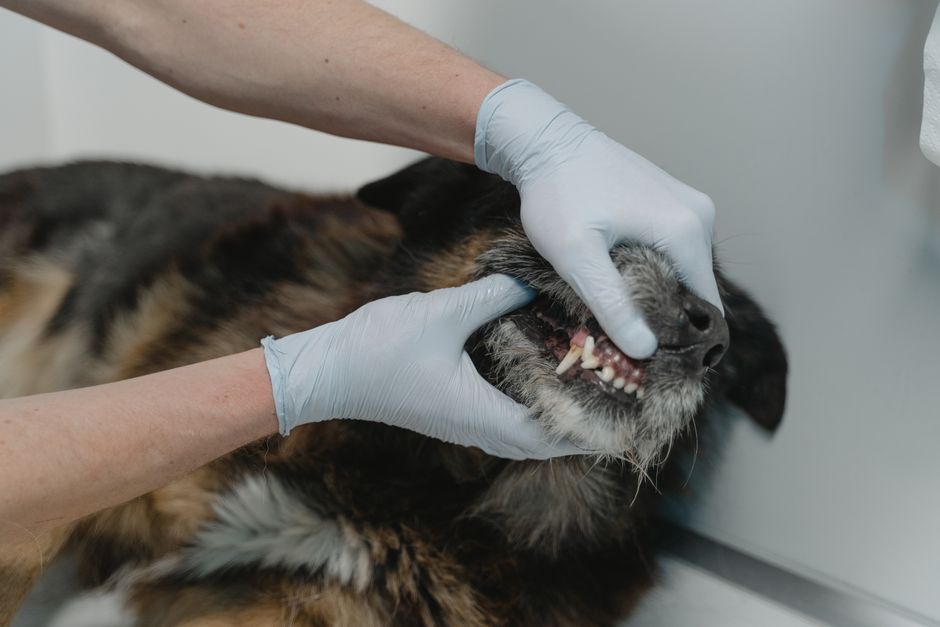
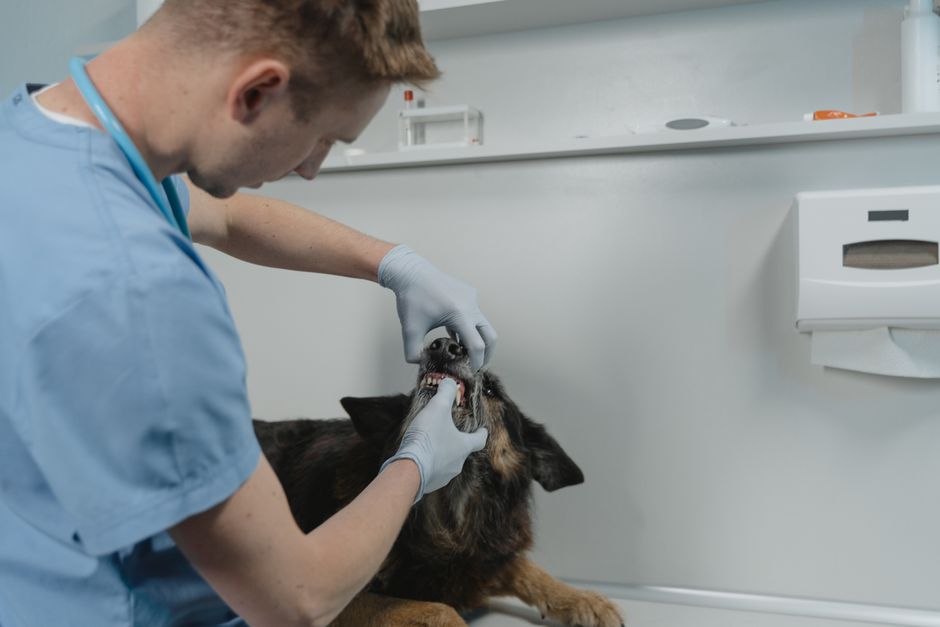
Diagnosis typically involves a thorough oral examination under anesthesia, which allows for careful inspection of all areas of the mouth. Advanced imaging, such as dental radiographs, CT scans, or fluoroscopy, helps assess the extent of the tumor and whether it has invaded bone or surrounding tissues. A biopsy is usually required for a definitive diagnosis, where a small sample of the tumor is collected and sent to a laboratory for analysis.
At our Coral Springs center, we offer on-site imaging and laboratory services to streamline this process and ensure rapid, accurate results. For more information about our approach to early detection, see our wellness examination services.
Treatment Options
Treatment for dog mouth cancer depends on the type, size, and location of the tumor, as well as whether it has spread. Surgery remains the cornerstone of therapy for most oral tumors in dogs. Our veterinary dental specialists are experienced in performing complex oral and maxillofacial surgeries that can remove tumors while preserving your dog’s quality of life and function whenever possible.
Additional treatments may include oral oncology surgery for more aggressive or advanced cases, which can be explored in detail on our oral oncology surgery page. In some cases, adjunct therapies such as radiation or chemotherapy may be recommended in partnership with veterinary oncologists. Pain management, nutritional support, and regular follow-up exams are also crucial components of comprehensive cancer care.
Home Care and Prevention: What Dog Owners Can Do
While it is not always possible to prevent oral cancer in dogs, maintaining excellent oral hygiene and being vigilant about changes in your dog’s mouth can make a significant difference. Steps you can take at home include regular tooth brushing, providing safe dental toys, and scheduling routine dental cleanings as advised by your veterinarian. Monitoring for dog mouth cancer symptoms, such as new lumps, unexplained bleeding, or persistent bad breath, allows you to catch issues early. Feeding a balanced diet and minimizing exposure to known carcinogens, such as secondhand smoke, can also reduce risk.
Your role as a proactive pet owner involves both daily home care and regular professional checkups. Early detection is the most critical factor in successful treatment, so don’t hesitate to seek an evaluation if you notice anything unusual.
When to Seek Veterinary Dental Specialist Care
Prompt attention is essential when it comes to dog mouth cancer symptoms. If you observe any of the warning signs discussed above or your primary veterinarian raises concerns during a routine exam, it’s time to consult a veterinary dental specialist. Advanced referral centers like Florida Veterinary Dental Services are equipped with the expertise and technology necessary to diagnose and treat complex oral conditions in dogs.
Situations that warrant immediate evaluation include rapid swelling of the jaw or mouth, difficulty breathing or swallowing, visible bleeding that doesn’t resolve, or severe oral pain. In emergencies, our team can provide urgent care tailored to oral and facial issues. For information about how we support urgent dental situations, visit our emergency veterinary care page.
Keep in mind that not all growths in your dog’s mouth are cancerous, but timely evaluation is the safest way to ensure the best possible outcome. Our veterinary dental specialists work closely with your family veterinarian to ensure continuity of care and the best treatment plan for your dog.
Protecting Your Dog’s Health: Expert Oral Cancer Care in Coral Springs
Dog mouth cancer symptoms can be frightening, but early recognition and referral to a specialty center can make all the difference in your dog’s prognosis and comfort. At Florida Veterinary Dental Services, our board-certified veterinary dental professionals are here to offer compassionate, advanced care for dogs facing oral tumors or other complex dental conditions. We proudly serve Coral Springs and surrounding communities, providing both scheduled consultations and emergency support for urgent cases.
If you’re searching for a specialty vet near me for expert guidance on your dog’s oral health, our team is ready to help. To schedule an evaluation or discuss your concerns about possible dog mouth cancer symptoms, contact our office at (954) 396-9660 or visit us at 4101 Turtle Creek Drive, Coral Springs, FL 33067. For further information about the diagnosis and treatment of oral tumors in dogs, explore our resources on oral and facial tumor surgery and oral oncology surgery.
Your vigilance and partnership with a veterinary dental specialist are the best ways to protect your dog’s comfort and quality of life. If you have any doubts or notice changes in your dog’s mouth, don’t wait—reach out to our experienced team for support.