Protecting Pet Teeth: Dental Trauma Risks During Florida’s Rainy Season

Protecting Pet Teeth: Dental Trauma Risks During Florida’s Rainy Season
Florida’s summer storms are famous for their sudden downpours, booming thunder, and swirling winds. While most pet owners know to prepare for wet fur and muddy paws, far fewer realize that these seasonal storms can actually put their dog’s or cat’s teeth at risk. Dental trauma is surprisingly common during the rainy season in Coral Springs, as startled pets or storm-related accidents can lead to chipped, fractured, or even dislodged teeth. At Florida Veterinary Dental Services, our specialty veterinary dental and oral surgery center in Coral Springs, we understand the unique challenges pets face in our subtropical climate. This blog will help you recognize dental trauma risks during storm season, understand which injuries require a specialist, and know how timely, expert care can protect your pet’s smile for years to come.
We’ll cover common signs of dental injury, explain how heavy rain and thunderstorms can contribute to oral trauma, and walk you through the advanced treatment options available at our referral-based center. You’ll also gain practical tips for prevention and learn when it’s essential to seek out a veterinary dental expert like Dr. Fuentes. Our goal is to help you safeguard your pet’s oral health—no matter what the Florida weather brings.
Recognizing Dental Trauma in Dogs and Cats After Storms
Dental trauma in pets can look very different from the injuries people experience. For dogs and cats, the signs are often subtle, especially in the early stages. During and after summer thunderstorms, it’s important to pay close attention to any changes in your pet’s behavior or eating habits. Key symptoms of dental trauma include sudden reluctance to eat hard food or treats, chewing on only one side of the mouth, pawing at the face, drooling more than usual, or vocalizing while eating. You may also see blood on toys or in the water bowl, notice swelling around the mouth, or spot a visible break or discoloration on a tooth.
Some pets try to hide their discomfort, so you might simply observe changes in mood, such as increased hiding, irritability, or avoidance of normal activities. Cats, in particular, can be masters of masking discomfort. If your pet has been through a particularly loud storm, or if you notice they seem more anxious or unsettled than usual, take a few moments to check their mouth for anything unusual. Remember, any sudden change in eating or grooming behavior after a storm could indicate a dental injury that needs prompt attention.
When you suspect a fractured tooth or oral trauma, it’s crucial to have your pet evaluated by a veterinary dental specialist. Our veterinary care and procedures for fractured teeth in dogs and cats page provides more detailed information about what to watch for and how we can help.
How Florida’s Rainy Season Increases the Risk of Pet Dental Trauma
While dental injuries can happen at any time, the rainy season in Coral Springs brings unique hazards for pets. Storm-related anxiety is a common issue in both dogs and cats. Loud thunder, flashes of lightning, and pounding rain can startle even the calmest pets, causing them to bolt, jump, or hide in unsafe places. For example, a frightened dog might run into furniture, doors, or even walls, while a panicked cat could wedge themselves under heavy objects or leap onto slippery surfaces.
Another risk comes from pets being confined indoors more than usual. Boredom and anxiety during storms can prompt destructive chewing behavior, especially in dogs. Chewing on inappropriate objects—such as furniture legs, electrical cords, or hard plastic—can easily lead to chipped, fractured, or dislodged teeth. Similarly, cats may chew on cords or try to squeeze through tight spaces, risking oral injury.
Outdoor hazards also increase during storms. If a pet escapes or is caught outside during heavy rain, they may slip on wet pavement, collide with debris, or become entangled in fences. Flooded areas can conceal sharp objects or create slippery surfaces, further increasing the risk of trauma. Owners should be particularly vigilant after a storm, as fallen branches and debris can pose serious dangers during walks or playtime.
Advanced Veterinary Dental Treatment for Oral Trauma
When a pet suffers dental trauma, timely intervention by a veterinary dental specialist is essential for the best outcome. At Florida Veterinary Dental Services, our board-certified team provides comprehensive care for all types of oral injuries. Treatment for dental trauma often begins with a thorough oral examination and advanced imaging, such as intra-oral dental radiography or CT scans, to assess the full extent of the injury.
For fractured teeth, treatment options include root canal therapy, restoration, or extraction, depending on the severity and location of the break. If the pulp (nerve) of the tooth is exposed, rapid treatment is critical to prevent infection and ongoing pain. Our team also manages soft tissue injuries to the gums, lips, and cheeks, which can occur when a pet bites down on something hard or suffers a fall. For jaw or facial fractures, we offer advanced surgical repair, using specialized techniques to restore function and comfort.
In emergency situations, such as when a tooth is knocked out or the jaw is dislocated, immediate stabilization and pain management are our top priorities. We provide urgent emergency veterinary dental care for urgent oral conditions, ensuring your pet receives expert attention as quickly as possible. Our practice is fully equipped to handle complex dental and maxillofacial cases, so your pet benefits from the highest level of specialty care in the region.
For more information on our approach to traumatic dental injuries, visit our oral trauma diagnosis and treatment page.
What to Expect During a Dental Trauma Visit
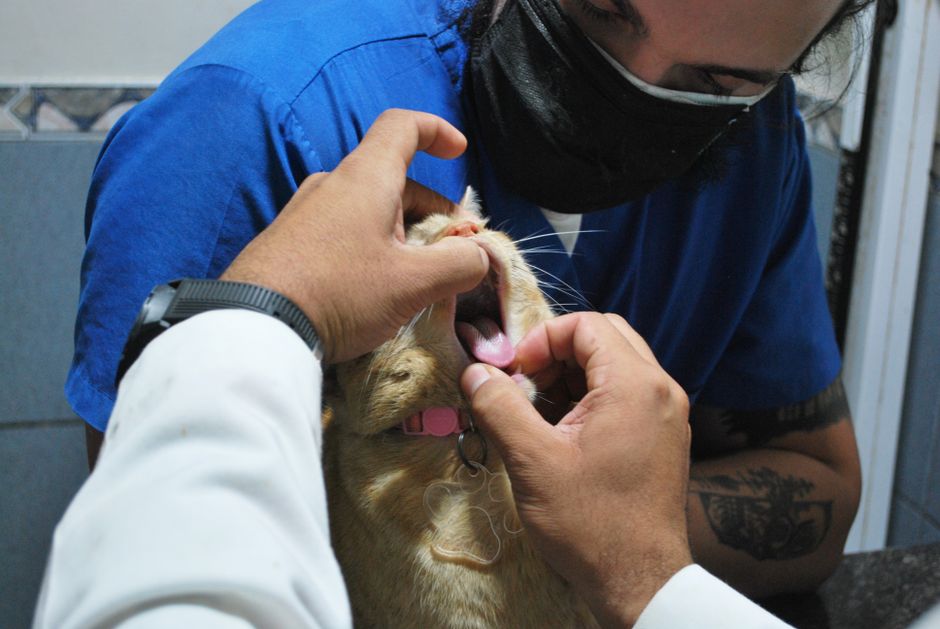
When you bring your pet to our specialty dental center, we start with a gentle, comprehensive exam, often using sedation to ensure your pet’s comfort. Detailed imaging helps us pinpoint hidden fractures or underlying damage. We will discuss all treatment options with you, explaining the risks, benefits, and expected outcomes for each. Our focus is always on preserving your pet’s quality of life and minimizing future complications.
Preventing Pet Dental Injuries During Storm Season
While not every accident can be prevented, there are several proactive steps pet owners can take to reduce the risk of dental trauma during Florida’s stormy months. First, create a safe, secure area for your pet during storms. This could be a quiet room away from windows, with familiar bedding and toys that are safe for chewing. Avoid giving pets access to hard, non-edible objects such as rocks, bones, or hard plastic, as these are common culprits in dental injuries.
For anxious pets, consider using calming aids or pheromone diffusers to reduce storm-related stress. Keep doors and windows securely closed, and double-check fences or gates to prevent escape. After a storm, inspect your yard or walking route for fallen branches, sharp debris, and slippery surfaces before letting your pet outside.
Routine professional dental cleaning services for dogs and cats can help identify weak or damaged teeth before an accident occurs, allowing preventive care that reduces the risk of a serious injury. At home, supervise playtime and choose toys that are designed to be gentle on teeth. Regularly inspect your pet’s mouth for any changes, especially after storms or periods of anxious behavior.
When to Seek Veterinary Dental Specialty Care
Not all dental injuries require specialty intervention, but certain situations call for immediate evaluation by a veterinary dental expert. If your pet has a visibly broken or dislodged tooth, severe bleeding from the mouth, swelling of the face or jaw, or obvious pain when eating, professional care is urgently needed. Injuries involving the jaw, palate, or facial bones should always be assessed by a specialist, as improper healing can lead to chronic pain or functional problems.
If you are uncertain whether your pet’s symptoms are serious, it is always safer to err on the side of caution. Delaying treatment can result in infection, tooth loss, or long-term oral health issues. Our team at Florida Veterinary Dental Services is here to support you and your family veterinarian, providing advanced diagnostics, surgical expertise, and compassionate care tailored to your pet’s specific needs.
For more details on surgical options, you can review our surgical treatment for jaw and facial fractures in pets page.
Your Partner for Specialty Dental Care in Coral Springs
Protecting your pet’s teeth during Florida’s rainy season requires a combination of vigilance, preventive care, and access to expert veterinary dental services. By understanding the risks unique to summer storms and acting quickly when injuries occur, you can help ensure your pet enjoys a healthy, pain-free smile for years to come. Regular checkups, safe home environments, and prompt attention to changes in behavior are your best tools for prevention.
If you suspect your dog or cat has suffered dental trauma, or if you want to learn more about advanced oral health services, our specialty veterinary dental team is here to help. When searching for a dental specialty vet near me, trust the expertise and compassion of Florida Veterinary Dental Services in Coral Springs and surrounding communities. To schedule a consultation or discuss your pet’s oral health, call us at (954) 396-9660. You can also explore our website for more information about pet dental cleanings, trauma care, and advanced treatment options.
Your pet’s smile is worth protecting, and our board-certified veterinary dental professionals are committed to providing the highest standard of care, rain or shine. If you have questions about dental trauma, prevention, or specialty oral surgery, contact us today—your pet’s comfort and long-term health are always our top priorities.
This article is for informational purposes only and does not replace professional veterinary advice. If you notice signs of dental trauma or oral pain in your pet, please consult a veterinary dental specialist promptly.