Is Your Dog or Cat at Risk for Tooth Fractures?

Is Your Dog or Cat at Risk for Tooth Fractures?
If you are a pet owner in Coral Springs, you naturally want to keep your dog or cat comfortable, healthy, and pain-free. Yet dental injuries, especially tooth fractures, are more common in pets than many people realize. Broken teeth can cause discomfort, infection, and long-term oral health complications if left untreated. At Florida Veterinary Dental Services, our specialty team led by Dr. Fuentes is dedicated to advanced dental and oral surgical care for dogs and cats in Coral Springs and surrounding communities. This blog will help you recognize the signs of tooth fractures in your pet, understand how these injuries happen, and learn how a veterinary dental specialist diagnoses and treats damaged teeth. We will also discuss prevention strategies and when to seek professional oral care, so you can make informed decisions for your pet’s wellbeing.
Recognizing the Signs of Tooth Fractures in Dogs and Cats
Tooth fractures in pets can be subtle or dramatic, depending on the location, severity, and whether the sensitive pulp (nerve) inside the tooth is exposed. Many dogs and cats are experts at hiding pain, so it is important to watch for both obvious and more understated changes. Common signs that may indicate a fractured tooth include a sudden reluctance to chew on toys or food, dropping food while eating, pawing at the mouth, or vocalizing when eating. You might notice visible changes such as a chipped or broken tooth, bleeding from the mouth, or swelling around the face or jaw. Some pets develop persistent bad breath, visible red or brown discoloration on a tooth, or start favoring one side of the mouth when chewing. In severe cases, swelling beneath the eye or along the jawline can develop if an infection takes hold. It is important to remember that not all fractured teeth are immediately obvious; sometimes the only sign is subtle discomfort or a gradual decrease in appetite. If you notice any of these symptoms or have concerns about your pet’s oral comfort, a veterinary dental specialist can provide a thorough evaluation. For more about recognizing and managing tooth fractures, our fractured teeth veterinary service page offers further insights.
When Tooth Fractures Go Unnoticed
Because many pets do not show clear signs of pain, it is common for broken teeth to remain undetected until a routine examination or dental cleaning. Cats, in particular, may hide discomfort by simply eating more slowly or only using one side of their mouth. Chronic oral pain can impact your pet’s overall health and enjoyment of life, so early recognition is essential.
What Causes Broken Teeth in Pets?
Tooth fractures can happen to any dog or cat, regardless of age or breed. However, certain habits, environments, and health factors can increase the risk. Dogs that love to chew on hard objects such as bones, antlers, rocks, or hard nylon toys are particularly susceptible to breaking teeth. The upper fourth premolar, also known as the carnassial tooth, is the most commonly fractured tooth in dogs due to its size and the force used when chewing. Cats can also experience fractured teeth, especially if they have underlying dental disease or trauma from falls, accidents, or rough play. In some cases, a fractured tooth may occur during a scuffle with another animal or after biting down on something unexpectedly hard in their food.
Additionally, pre-existing dental disease weakens tooth structure, making it easier for even moderate force to result in a break. Pets with advanced periodontal disease, resorptive lesions (especially common in cats), or enamel defects are at higher risk for fractures.
Environmental and Lifestyle Factors
The Florida climate allows for plenty of outdoor play, which can sometimes lead to accidental impacts or picking up hard objects outside. Urban environments may expose pets to hazards like dropped food bones or debris. Monitoring your pet’s environment and their choice of toys can help reduce the likelihood of accidental fractures.
How Veterinary Dental Specialists Diagnose and Treat Broken Teeth
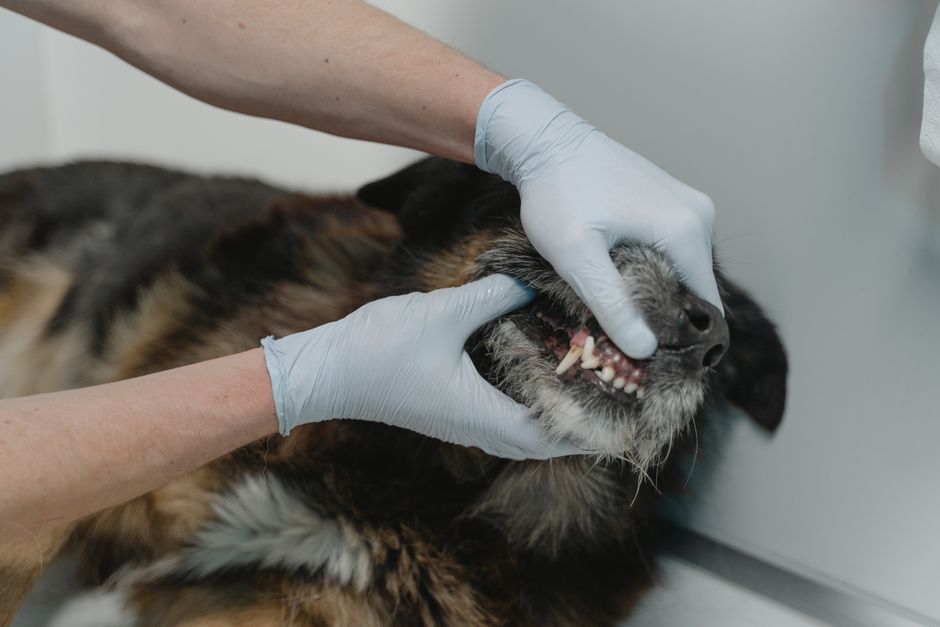
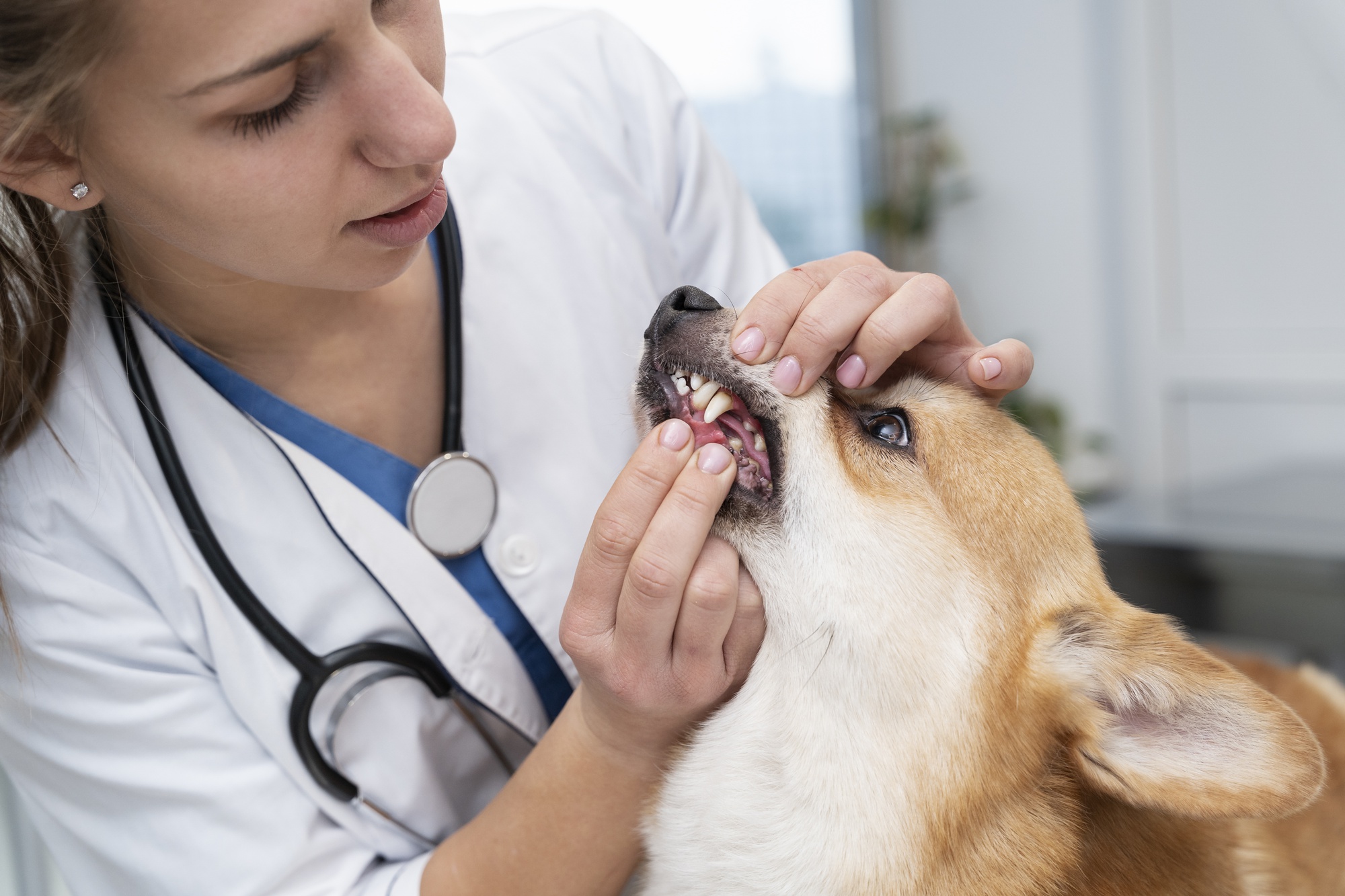
When a pet presents with a suspected tooth fracture, a thorough oral examination under sedation or anesthesia is typically required. This allows the veterinary dental specialist to inspect every tooth, assess the extent of damage, and identify any exposed pulp or underlying infection. Diagnostic imaging, such as intra-oral dental radiology or dental radiography, is essential for evaluating the root structure, surrounding bone, and presence of infection below the gumline.
Once the extent of the fracture is understood, treatment options are customized for your pet’s needs. If the fracture is superficial and the pulp is not exposed, a restorative approach such as a bonded sealant or dental filling may be sufficient. For more severe fractures with pulp exposure, root canal therapy or surgical extraction may be necessary to eliminate pain and prevent infection. Root canal therapy preserves the function of the tooth by removing the diseased pulp and filling the root, while extractions are reserved for teeth that cannot be saved. In some cases, tooth restorations and crowns are placed to protect the repaired tooth and restore chewing ability, especially for working or sporting dogs.
Pain management is a cornerstone of care, and your veterinary dental specialist will address both immediate and long-term comfort. Modern techniques allow many pets to return to normal eating and play within days after treatment, with careful monitoring and follow-up.
Advanced Dental and Oral Surgery at Florida Veterinary Dental Services
As a specialty practice, we offer advanced diagnostics and treatment for complex dental injuries, including root canal therapy, surgical repair, and crown placement. Our on-site CT and imaging capabilities ensure accurate diagnosis and planning for even the most challenging cases. Every pet receives individualized care for optimal comfort and long-term oral health.
Preventing Tooth Fractures at Home
While not all tooth fractures can be prevented, there are practical steps pet owners can take to reduce risk. Choosing safe chew toys is one of the most effective ways to protect your pet’s teeth. Avoid giving dogs hard objects such as real bones, antlers, or very hard nylon toys; instead, opt for softer rubber toys or those designed specifically for safe chewing. For cats, provide dental toys that are gentle on teeth and monitor play to prevent accidents.
Regular dental care is also key. Routine veterinary dental cleanings, home tooth brushing, and annual oral evaluations help identify problems before they escalate. By catching dental disease early, you can prevent weakened tooth structure that is more likely to fracture. Monitoring your pet for changes in eating, chewing, or interest in toys can provide early clues to developing oral problems.
Additionally, supervising playtime—especially for energetic dogs—and keeping hazardous objects out of reach can further minimize risk. If your pet has a history of dental problems, discuss additional preventive strategies with your veterinarian or dental specialist.
When to Seek Professional Dental Care for Your Pet
Prompt veterinary attention is crucial whenever you suspect your dog or cat has a fractured tooth. Immediate care is especially important if you notice exposed pulp (a red or pink spot in the center of the broken tooth), significant swelling, bleeding, or if your pet is showing signs of severe pain. Even if symptoms appear mild, fractured teeth can allow bacteria to enter the pulp chamber, leading to infection, abscess formation, or even systemic illness if untreated.
If your general veterinarian identifies a fractured or damaged tooth during a checkup, a referral to a veterinary dental specialist ensures your pet receives advanced diagnostics and treatment for optimal outcomes. Specialty care is especially valuable for complex fractures, working dogs, pets with multiple dental problems, or when preserving the function of a tooth is a priority. For more information on advanced repair options, visit our dental repair service page or explore root canal therapy for pets to understand how these procedures can restore comfort and health.
Early intervention is always best; waiting can lead to more extensive oral surgery, chronic pain, or tooth loss. If you are ever unsure, our specialty veterinary dental professionals are ready to help you determine the most appropriate next steps.
Compassionate Specialty Dental Care in Coral Springs
Protecting your dog or cat’s oral health is a vital part of maintaining their overall wellness and quality of life. Tooth fractures are painful, but with early recognition and expert treatment, most pets can return to happy, pain-free living. At Florida Veterinary Dental Services, our specialty team is committed to providing the highest standard of dental and oral surgery care for pets throughout Coral Springs and surrounding communities. If you notice any signs of dental discomfort, visible tooth damage, or changes in your pet’s eating habits, do not hesitate to contact our practice for a consultation.
When searching for a dental specialty vet near me, it is important to choose a veterinary dental team with advanced training, state-of-the-art equipment, and a compassionate approach to care. Our veterinarians work with you and your referring veterinarian to develop a customized treatment plan, ensuring your pet receives the best possible outcome. To schedule a referral consultation or learn more about our services, call Florida Veterinary Dental Services at (954) 396-9660 or visit our website for additional resources. Your pet’s comfort, health, and happiness are always our top priorities.