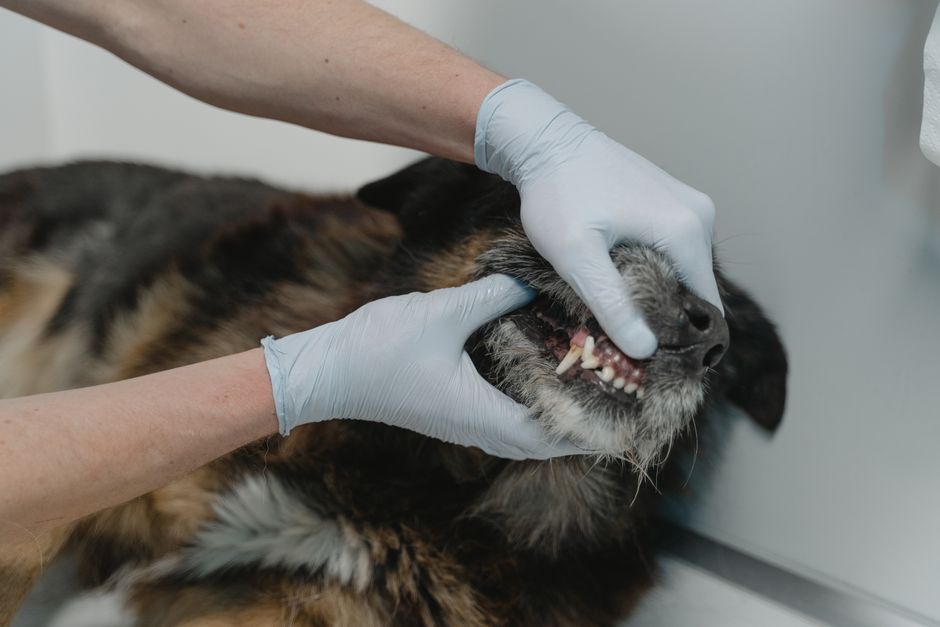
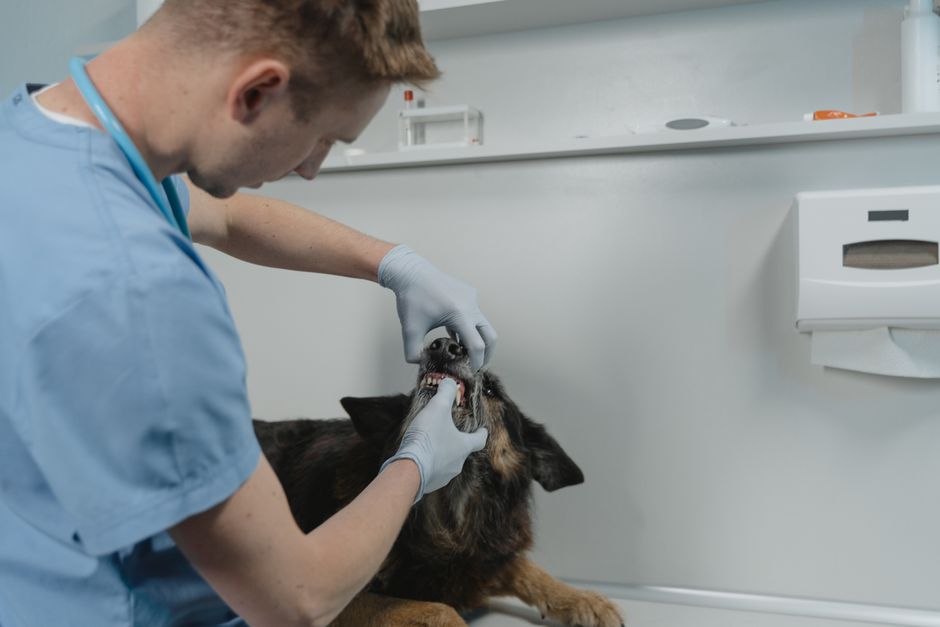
Dental Care for Senior Pets: Protecting Smiles in Their Golden Years

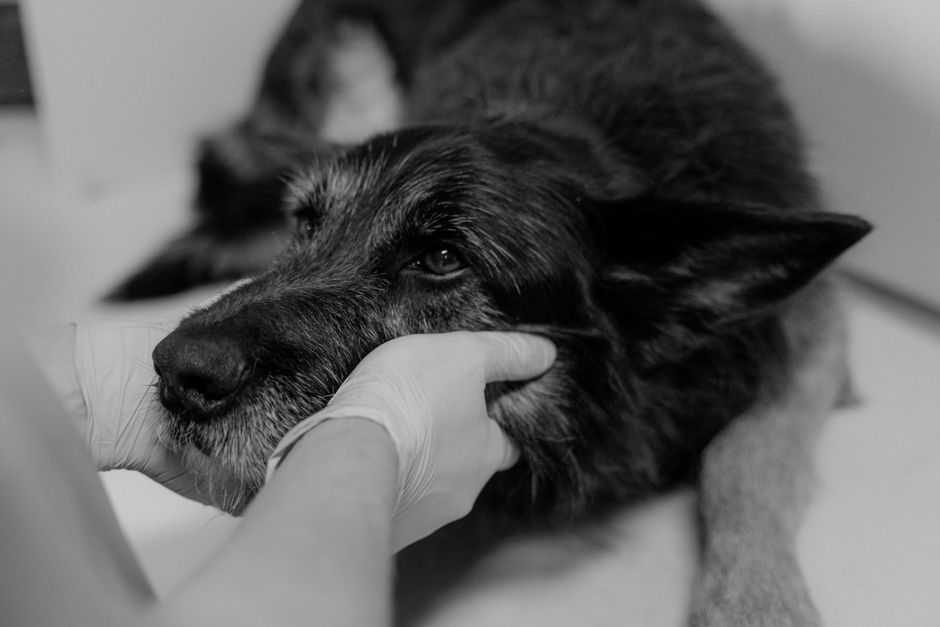
Dental Care for Senior Pets: Protecting Smiles in Their Golden Years
As our beloved dogs and cats enter their golden years, their dental health becomes more important than ever. Many pet owners in Coral Springs and nearby communities notice subtle changes in their older pet’s behavior and wonder if dental disease could be to blame. At Florida Veterinary Dental Services, our specialty team—led by Dr. Fuentes—focuses exclusively on advanced dental and oral surgery care for pets, ensuring your senior companion maintains comfort, function, and quality of life. In this blog, we’ll explore why dental care is critical for older pets, how to spot age-related dental disease, and what advanced treatment options are available at our Coral Springs location to help your pet thrive.
Whether your dog or cat is slowing down, eating less enthusiastically, or simply due for a routine evaluation, understanding the unique dental challenges of senior pets can help you make the best choices for their health. Throughout this post, we’ll share professional insights from our veterinary dental team, explain the signs of dental problems in aging pets, and guide you through the specialized care available right here in Coral Springs.
Understanding Dental Problems in Senior Dogs and Cats
Recognizing Dental Disease in Older Pets
Dental disease is one of the most common health issues affecting senior pets, yet it often goes unnoticed until it causes significant discomfort or serious complications. Signs that your older dog or cat may be experiencing dental issues include persistent bad breath, drooling more than usual, reluctance to chew hard food or toys, pawing at the mouth or face, visible tartar buildup, inflamed gums, and loose or missing teeth. Additionally, some pets develop changes in appetite or drop food while eating, which can signal oral pain. In more advanced cases, owners may observe swelling around the mouth, bleeding from the gums, or a sudden aversion to being touched near the head. Because pets instinctively hide pain, even subtle behavioral changes—such as increased quietness, restlessness, or withdrawal—can indicate underlying oral discomfort.
Why Are Senior Pets at Greater Risk?
As dogs and cats age, the cumulative effects of years of plaque and tartar buildup, minor injuries, and chronic inflammation begin to take a toll on their oral health. Older pets are more likely to develop periodontal disease, which is a chronic infection of the tissues supporting the teeth. This condition can progress to tooth loss, bone destruction, and even systemic health issues such as kidney, liver, or heart problems due to the spread of oral bacteria through the bloodstream. In addition, senior pets may develop oral tumors, fractured teeth from years of chewing, resorptive lesions (especially in cats), and complications from previously untreated dental disease. Certain breeds, particularly small dog breeds and cats with underlying health conditions, are especially prone to rapid dental deterioration as they age.
Causes and Contributing Factors in Senior Dental Disease
The development of dental disease in senior pets is influenced by several interconnected factors. Long-standing accumulation of dental plaque and tartar leads to chronic inflammation of the gums (gingivitis) and the deeper supporting structures (periodontitis). Over time, this inflammation destroys the bone and tissue anchoring the teeth, causing pain and tooth loss. Age-related changes in saliva production, immune system efficiency, and pre-existing medical conditions—like diabetes or kidney disease—can accelerate the progression of oral disease.
Additionally, some pets are genetically predisposed to dental issues. Toy breeds, brachycephalic (short-nosed) dogs, and certain cats tend to have crowded teeth or jaw abnormalities that trap food and bacteria. Diet plays a role as well; pets on exclusively soft diets may experience more tartar buildup, while lack of regular at-home dental care further compounds the risk. Finally, overlooked oral injuries or fractured teeth, especially in aging pets who might chew on hard objects, can lead to abscesses and chronic pain if not promptly addressed.
Advanced Dental Treatment Options for Senior Pets
The Importance of Specialized Dental Care
Senior pets often require a more nuanced, gentle approach to dental treatment due to their age, underlying health concerns, and the advanced stage of their oral disease. At Florida Veterinary Dental Services, our focus on advanced dental care for seniors ensures that every procedure is tailored to the unique needs of older dogs and cats. Before any treatment, our team performs a thorough health evaluation to assess anesthetic risk and identify any underlying medical issues that could impact dental procedures.
Our advanced diagnostics include intra-oral exams, digital dental radiographs, and, when needed, CT scans to visualize hidden problems beneath the gum line. This level of detail is crucial for identifying root abscesses, bone loss, or oral tumors, especially in pets who may not show obvious outward signs. For more information about our approach to imaging, visit our page on intra-oral dental radiology.
Treatment Approaches for Common Senior Pet Dental Issues
Depending on the diagnosis, treatment for senior pets may involve professional dental cleanings under anesthesia, periodontal therapy, surgical tooth extractions, or even advanced procedures like root canal therapy and oral tumor removal. For many older pets, a comprehensive cleaning with removal of tartar above and below the gum line is the foundation of care. If periodontal pockets or bone loss are found, our veterinary dental specialists may recommend procedures such as periodontal surgery to preserve tooth structure and function.
When teeth are too damaged or painful to save, complex dental extractions are performed with precision and care, always prioritizing pain management and rapid recovery. Our dedicated oral pain management protocols help ensure your pet wakes up comfortable and ready to enjoy mealtimes again. For pets facing oral tumors or other serious conditions, our team is equipped to provide advanced oral surgery and coordinate ongoing care with your primary veterinarian or other specialists as needed.
Home Care and Preventive Steps for Senior Pet Dental Health
Supporting Your Pet’s Smile at Home
While advanced veterinary dental care is essential for treating established disease, ongoing home care is equally important in maintaining your senior pet’s oral health. Daily tooth brushing remains the gold standard, and even older pets can often learn to accept gentle brushing with patience and positive reinforcement. If brushing is not possible, dental diets, chews approved by your veterinarian, and water additives may help reduce plaque accumulation. Regularly inspect your pet’s mouth for signs such as red or bleeding gums, broken teeth, or new lumps and bumps. Providing appropriate chew toys and avoiding hard items that could fracture teeth is especially important for senior dogs.
Scheduling routine professional dental cleanings, even for senior pets, plays a critical role in catching issues early and preventing painful complications. Our veterinary dental team can recommend a personalized preventive plan based on your pet’s age, breed, and existing health conditions. To learn more about the cleaning process, explore our professional dental cleaning services for pets.
When to Seek Professional Veterinary Dental Care
Knowing When Your Senior Pet Needs a Specialist
It can be difficult for pet owners to judge when dental problems require advanced intervention. You should seek prompt veterinary dental care if your dog or cat shows signs of oral pain, bleeding gums, loose or broken teeth, persistent bad breath, swelling around the mouth, or unexplained changes in appetite or behavior. Any sudden change in your senior pet’s ability to eat or drink comfortably warrants immediate attention. If your regular veterinarian recommends a dental procedure that may be complex or risky due to your pet’s age or health status, a referral to a specialist offers the expertise and advanced resources your pet deserves.
At Florida Veterinary Dental Services, we welcome referrals from local veterinarians and work closely with you and your primary care provider to ensure seamless, comprehensive care. Our advanced dental services for seniors are designed to maximize comfort, minimize risk, and restore quality of life for your older companion. For more details on our senior-focused offerings, visit our page dedicated to advanced dental care services for senior pets.
Why Choose Florida Veterinary Dental Services for Your Senior Pet?
Our specialty team in Coral Springs is committed to excellence in every aspect of veterinary dentistry and oral surgery. With a focus on senior pets, we combine advanced diagnostics, gentle techniques, and compassionate pain management to ensure that your dog or cat receives the highest standard of care. Whether your pet is facing advanced periodontal disease, fractured teeth, or the challenges of aging gums and bone, you can trust our experienced veterinary dental team to provide effective, tailored solutions.
We understand that choosing a specialty dental provider for your senior pet is a big decision. That’s why we take the time to communicate clearly, answer your questions, and work collaboratively with your primary veterinarian. Our goal is to keep your pet healthy, happy, and free from dental discomfort throughout their golden years.
Take the Next Step: Protect Your Pet’s Smile with Expert Dental Care
As your pet ages, proactive dental care is one of the most important gifts you can provide. If you’re searching for a veterinary dental specialist or “specialty vet near me” in Coral Springs, look no further than Florida Veterinary Dental Services. Our dedicated team is ready to help your senior dog or cat enjoy a comfortable, pain-free mouth and a better quality of life.
If you notice any signs of dental disease, have concerns about your pet’s oral health, or need advanced dental treatment, contact us today to schedule a consultation at our Coral Springs location. You can also call our office at (954) 396-9660 to speak directly with our veterinary dental professionals. Together, we’ll create a personalized plan to keep your senior pet’s smile healthy for years to come.
For more information on wellness exams, advanced imaging, or specialized treatments, we invite you to explore additional resources on our website or reach out to our team. Your pet’s comfort and wellbeing are always our top priorities.
This article is intended for informational purposes only and should not replace professional veterinary advice. Always consult your veterinarian or a veterinary dental specialist for concerns about your pet’s oral health.