How a Pet Dentist Treats Fractured Teeth in Dogs and Cats

How a Pet Dentist Treats Fractured Teeth in Dogs and Cats
Fractured teeth are a surprisingly common problem in dogs and cats, especially during the active summer months when pets in Coral Springs and surrounding communities are more likely to chew on hard toys, bones, or even encounter accidental trauma. As a pet owner, seeing your dog or cat suffer from a broken tooth can be distressing. You may notice obvious pain, changes in eating habits, or visible damage to a tooth and immediately wonder what to do next. At Florida Veterinary Dental Services, our pet dentist in Coral Springs, FL specializes in advanced dental care and oral surgery tailored to companion animals. In this blog, we will help you recognize the signs of fractured teeth in your dog or cat, explain why these injuries happen, discuss how a pet dentist diagnoses and treats broken teeth, and outline what you can do at home to support your pet’s oral health. We’ll also share guidance on when to seek professional veterinary dental care and how our specialty team can help restore your pet’s comfort and smile. If you are concerned about a broken or damaged tooth, we encourage you to learn more about fractured teeth treatment options available at our practice.
Recognizing Fractured Teeth in Your Dog or Cat
A fractured tooth in a dog or cat is not always as obvious as you might expect. Sometimes, the signs are subtle, and your pet will try to hide discomfort. Symptoms include changes in eating behavior such as dropping food, reluctance to chew on one side of the mouth, or avoiding dry food and hard treats. You might notice pawing at the mouth, drooling more than usual, or even a visible crack, chip, or missing portion of a tooth. Other signs are bad breath, swelling around the face or jaw, and in severe cases, bleeding from the mouth or sudden yelping when the mouth is touched.
Because pets often mask pain, it is important to watch for any changes in daily habits, appetite, or behavior that could indicate dental discomfort. Occasionally, owners discover a fractured tooth while brushing their pet’s teeth or during a routine wellness check. In some cases, a broken tooth may become infected, leading to facial swelling, a draining wound near the jaw, or even changes in overall demeanor. If you notice any of these symptoms, contacting a veterinary dental specialist is critical to prevent ongoing pain and further complications.
Why Do Teeth Fracture in Pets?
Understanding why fractured teeth occur helps you prevent similar injuries in the future. Dogs and cats can break teeth for a variety of reasons. The most common causes involve chewing on objects that are too hard, such as bones, antlers, hooves, or even some chew toys that are marketed as indestructible. Pets may also fracture teeth through accidents, such as falling, rough play, or trauma like being hit by a ball or another animal.
In some cases, normal daily activities like tug-of-war can cause enough force to damage a tooth, especially if the tooth is weakened by previous dental disease. Sometimes teeth break because of underlying structural issues, such as enamel defects, resorptive lesions in cats, or advanced periodontal disease that has weakened the tooth’s support. Dental fractures are also more likely in older pets where the enamel has thinned or if prior dental disease has gone untreated.
Environmental factors play a role as well. In Florida’s warm climate, dogs that love to fetch or chew on hard objects during extended outdoor play are at increased risk. It’s important to remember that even healthy teeth can fracture if the force is strong enough, so always supervise your pet’s chewing habits and avoid objects that are harder than their teeth.
How a Pet Dentist Diagnoses and Treats Fractured Teeth
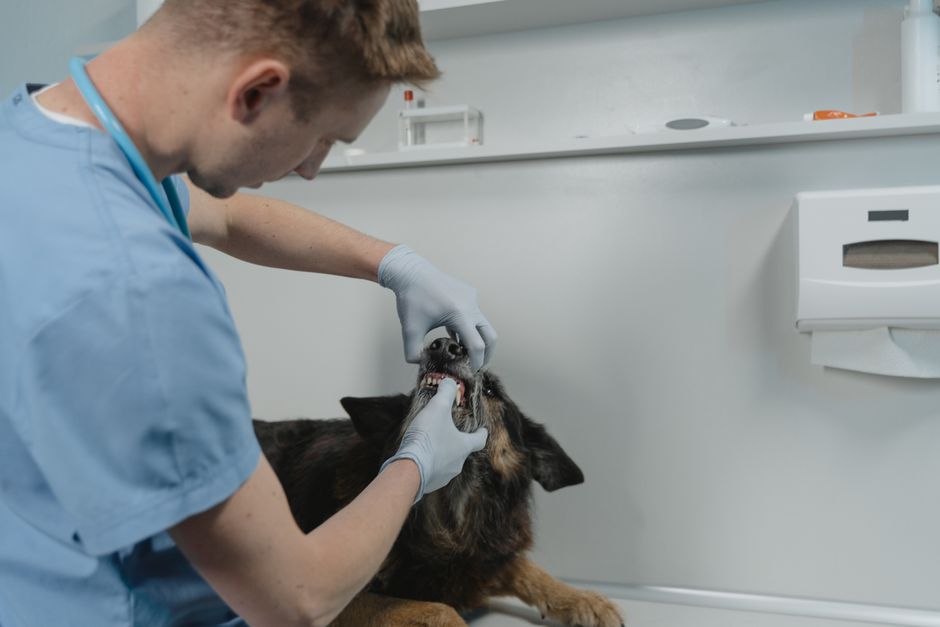
When your dog or cat arrives at our specialty practice after a suspected tooth fracture, a thorough evaluation is the first step. The pet dentist will start with a detailed oral examination, often using sedation to ensure a pain-free and stress-free assessment. We may use advanced imaging like intra-oral dental radiographs or even CT scans to evaluate the full extent of the injury, check for root involvement, and look for any hidden infection or bone damage.
Treatment approaches depend on the type and severity of the fracture. If the fracture exposes the tooth’s pulp (the sensitive inner tissue), urgent care is needed to prevent infection and pain. In these cases, root canal therapy or advanced restorative techniques may be recommended to save the tooth and restore comfort. Root canal therapy involves removing the damaged pulp, disinfecting the area, and sealing the tooth so your pet can keep using it without pain or risk of infection. You can read more about root canal therapy for pets and how it can preserve function and comfort in dogs and cats.
For fractures that do not expose the pulp, the pet dentist may use dental repair techniques such as bonding or placing a crown to restore the tooth’s structure and prevent further damage. Restorative options are available for certain types of injuries, and our practice offers tooth restorations and crowns for pets as part of a comprehensive treatment plan.
In cases where a tooth is too severely damaged or infected to be saved, complex dental extraction may be necessary. Our veterinary dental team is equipped to perform complex dental extractions with advanced pain management and surgical techniques to ensure your pet’s comfort and safety.
Throughout the process, our approach centers on minimizing pain, controlling infection, and restoring function so your pet can return to a normal, healthy life. Our team will guide you through each step, explain the options, and provide detailed aftercare instructions to help your pet recover smoothly.
Home Care and Preventing Fractured Teeth in Pets
Preventing future dental injuries starts at home. The most effective step you can take is to avoid giving your dog or cat objects that are harder than their teeth. These include bones, antlers, hooves, and very hard nylon or plastic toys. Instead, choose dental chews and toys that are specifically designed to be safe and gentle on teeth. Your veterinarian or pet dentist can recommend products that are both effective for dental health and unlikely to cause fractures.
Regular home dental care is vital. Brushing your pet’s teeth daily with a pet-safe toothpaste helps reduce plaque and keeps the gums healthy, making the teeth more resilient. Scheduled wellness examinations with your veterinarian or a veterinary dental specialist will also catch early signs of dental disease or weakened teeth before they become a problem. During these visits, your pet’s mouth can be checked for chips, cracks, or any changes that might indicate a risk for future fractures.
Diet plays a role as well. Feeding a balanced, veterinarian-approved diet helps maintain strong teeth and healthy gums. If your pet is prone to chewing, provide a variety of safe options and supervise play to minimize the risk of accidents.
Finally, be alert to your pet’s behavior. If you notice any changes in eating, chewing, or overall mouth comfort, consult your veterinarian promptly. Early intervention can prevent minor chips from developing into more serious fractures.
When to Seek Veterinary Dental Care for a Fractured Tooth
Knowing when to seek professional help can make all the difference in your pet’s comfort and long-term oral health. You should contact a pet dentist or veterinary dental specialist right away if you notice visible damage to a tooth, bleeding from the mouth, sudden refusal to eat, persistent drooling, swelling near the face or jaw, or signs of pain when your pet is chewing. Any fracture that exposes the inner pink pulp of the tooth is considered an emergency and needs immediate attention to prevent infection and severe pain.
Even if your pet seems comfortable, a broken tooth can harbor bacteria and lead to serious complications such as abscesses, bone infections, or systemic illness. Waiting too long can make treatment more complex and may result in the loss of additional teeth or bone. Our team at Florida Veterinary Dental Services works closely with primary care veterinarians to provide advanced dental care for pets who need specialized treatment. If you are concerned about a possible oral injury, review our oral trauma emergency and restorative care services to understand how we can help.
If you’re uncertain whether your pet’s injury requires specialty care, scheduling a comprehensive dental examination is always a wise first step. Our veterinary dentists can provide a thorough assessment, advanced imaging if necessary, and a clear treatment plan tailored to your pet’s needs.
The Importance of Specialty Dental Care for Pets
Choosing a veterinary dental specialist ensures your pet receives the highest level of expertise and technology available. At Florida Veterinary Dental Services, our team is led by board-certified professionals who focus exclusively on dental and oral surgery for dogs and cats. This means we can offer advanced diagnostics, precision surgery, restorative techniques, and pain management that go far beyond what is typically available in a general practice setting.
Our location at 4101 Turtle Creek Drive, Coral Springs, FL 33067 is designed for companion animal comfort and safety, with state-of-the-art equipment and a compassionate approach to care. We are proud to serve pet owners throughout Coral Springs and nearby communities, providing a referral-based, high-care environment where your pet’s dental health is our top priority.
Take the Next Step: Restore Your Pet’s Smile with Expert Help
Fractured teeth can cause significant pain and long-term health issues for your dog or cat, but with the right care from a skilled pet dentist, your pet can recover comfortably and return to their happy, active life. If you suspect your pet has a broken tooth, or if you want to ensure their dental health is in the best hands, we encourage you to reach out to our veterinary dental team. Our specialists offer a full range of advanced services from fractured tooth repair to tooth restorations and crowns, always with your pet’s wellbeing as the top priority.
Contact Florida Veterinary Dental Services at (954) 396-9660 to schedule a consultation or to discuss your concerns with our veterinary professionals. You can also visit us at 4101 Turtle Creek Drive, Coral Springs, FL 33067. When searching for a pet dentist vet near me, trust the expertise and care you’ll find with our specialty dental team. Your pet’s comfort and healthy smile are our mission—let us help you keep them happy, healthy, and pain-free.