Dog Teeth Implants: Procedure, Benefits, and Recovery in Coral Springs


Dog Teeth Implants: Procedure, Benefits, and Recovery in Coral Springs
If your dog has lost a tooth due to trauma, disease, or severe decay, you may be wondering if there's a way to restore function and give your companion a comfortable, healthy smile again. Dog teeth implants are an advanced dental treatment that can dramatically improve quality of life for many canine patients. At Florida Veterinary Dental Services, located at 4101 Turtle Creek Drive, Coral Springs, FL 33067, our board-certified veterinary dental specialists offer state-of-the-art implantology and oral surgery exclusively for pets. In this blog, we'll guide you through the dog teeth implant process, explore the benefits for your dog, help you understand who makes a good candidate, and outline what recovery looks like after dental implant surgery. If you've been searching for answers about canine dental implants in Coral Springs and surrounding communities, you're in the right place.
Recognizing the Need for Dog Teeth Implants
Dental problems in dogs can develop quietly, but missing or severely damaged teeth may cause significant discomfort and impact your dog's ability to eat, play, or live life to the fullest. Key signs that your dog might benefit from a tooth implant include visible tooth loss, difficulty chewing, changes in eating habits, pawing at the mouth, or signs of oral pain such as reluctance to play with toys or increased drooling. Some dogs may hide their discomfort, so changes in behavior, sudden preference for soft foods, or avoidance of chew toys can also indicate a problem. Chronic bad breath, bleeding from the mouth, or swelling around the jaw or gums are additional warning signs that a dental evaluation is needed. If your dog has lost a tooth due to trauma or severe periodontal disease, a dental implant could be a long-term solution to restore both function and appearance.
Why Do Dogs Lose Teeth? Understanding the Causes
Tooth loss in dogs is most commonly the result of advanced periodontal disease. Bacteria and inflammation gradually erode the supporting structures of the tooth, leading to loosening and eventual loss. Trauma, such as a fall or blunt force injury, can also cause tooth fractures or complete avulsion. In some cases, congenital defects or developmental abnormalities make a tooth more prone to early loss. Severe tooth decay, oral tumors, or complications from previous dental extractions may also leave a gap that impacts your dog's ability to chew or maintain oral health. When a tooth is lost, the canine mouth can experience changes in bite alignment, uneven wear, and even bone loss in the jaw over time. Our veterinary dental team uses advanced diagnostics, including dental radiographs, to fully evaluate the oral cavity and jawbone before recommending treatment options.
How Dog Teeth Implants Work: The Procedure Explained
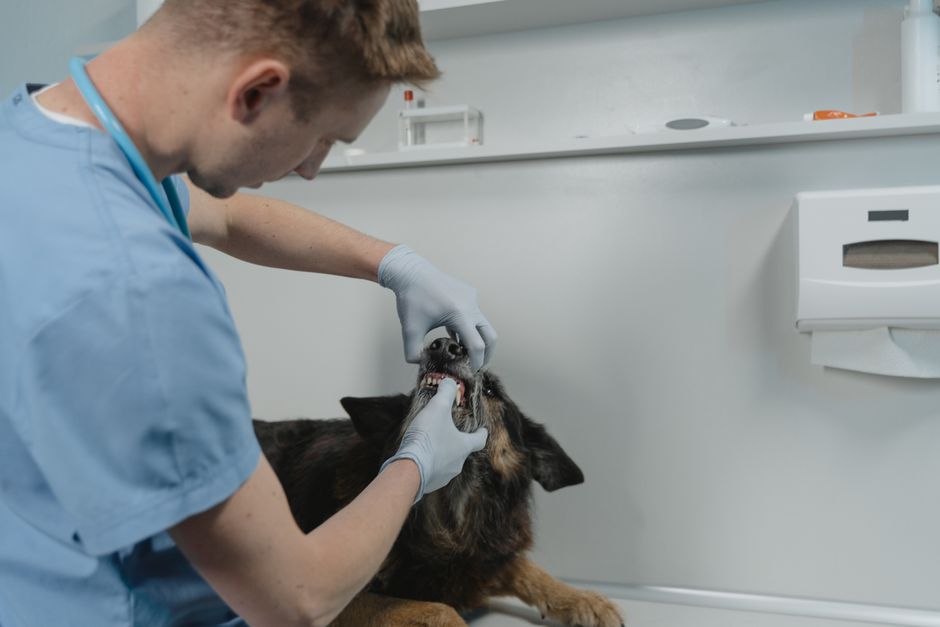
Dog teeth implants are a sophisticated solution designed to replicate the look, feel, and function of a natural tooth. The process begins with a comprehensive oral examination and consultation with a veterinary dental specialist. We use advanced imaging, such as CT scans and dental X-rays, to assess the bone structure and suitability for an implant. Once your dog is cleared for the procedure, the implant—a small, biocompatible titanium post—is surgically placed into the jawbone at the site of the missing tooth. Over the next few months, the bone gradually fuses to the implant in a process called osseointegration, creating a strong foundation.
After sufficient healing, a custom-made crown or artificial tooth is attached to the implant, restoring your dog's bite and appearance. Throughout this process, we prioritize your dog's comfort with advanced oral pain management techniques and gentle anesthesia protocols. Our veterinary dental team in Coral Springs has extensive experience in implantology, ensuring the highest standards of safety and care for every patient. For more details about the full scope of dental implant procedures, you can explore our dedicated teeth implantology services.
Ideal Candidates for Dog Teeth Implants
Not every dog is a candidate for dental implants. Ideal candidates are typically healthy dogs with fully developed jaws (usually adults), sufficient bone density in the jaw, and no uncontrolled infections or systemic diseases. A thorough pre-surgical assessment is essential to determine if implant placement is feasible. Dogs with ongoing oral infections, severe bone loss, or certain medical conditions may require alternative restorative or extraction treatments. Our team will work closely with your referring veterinarian to ensure a collaborative, tailored approach for your dog's dental health.
The Benefits of Dog Teeth Implants
Dental implants offer benefits that go beyond aesthetics. For dogs, restored chewing function is one of the most significant advantages. A secure implant allows your dog to bite, chew, and enjoy their favorite foods without discomfort or uneven pressure on remaining teeth. By filling the gap left by a missing tooth, implants help maintain jawbone health and prevent bone loss, which can occur when teeth are not replaced. This is especially important in active dogs who rely on a strong, healthy mouth for play and daily activities.
Additionally, implants can help prevent shifting of neighboring teeth, reduce the risk of further dental problems, and support long-term oral health. Many pet owners also notice improvements in their dog's confidence and quality of life, as eating, playing, and interacting become pain-free once again. Since implants are securely anchored and do not rely on adjacent teeth for support, they can be a more durable and reliable solution compared to bridges or partial dentures. Our veterinary dental specialists in Coral Springs are committed to providing individualized care, ensuring that each patient receives the most appropriate and effective treatment for their unique needs.
Recovery After Dog Teeth Implant Surgery: What to Expect
Following dog teeth implant surgery, most dogs recover quickly with proper care and monitoring. Immediately after the procedure, your dog may experience mild swelling, tenderness, or reluctance to chew on the treated side. Our team will provide pain management strategies and detailed home care instructions to ensure a smooth recovery. You may be asked to feed your dog soft foods for several weeks, restrict chewing on hard toys, and monitor the surgical site for signs of infection or complications.
Regular follow-up appointments allow us to assess healing progress and address any concerns. Once the implant has integrated and the artificial crown is placed, your dog can gradually return to their normal diet and activities. Good oral hygiene, including regular pet dental cleanings, is essential for the long-term success of the implant. If at any point you notice persistent swelling, discharge, or changes in your dog's eating habits, contact our veterinary dental team promptly for guidance.
Caring for Your Dog's Teeth at Home: Prevention is Key
While dog teeth implants can restore function and comfort after tooth loss, prevention remains the best approach to oral health. Brushing your dog's teeth daily with a pet-safe toothpaste, providing dental chews, and scheduling regular dental wellness visits are effective ways to reduce the risk of periodontal disease and tooth loss. Pay attention to subtle changes in your dog's mouth, such as redness, bleeding, or buildup of tartar, as these may indicate early oral health issues. Our team can advise you on the best home care products and techniques tailored for your dog's breed, age, and specific dental needs. Preventive care not only supports the longevity of dental implants but also enhances your dog's overall wellbeing.
When Should You Seek Veterinary Dental Care?
Any time your dog experiences tooth loss, oral pain, or trauma to the mouth, it's important to seek veterinary dental expertise. Immediate evaluation is especially critical following accidents or injuries, as prompt care can sometimes save a tooth or minimize complications. If your dog has a missing tooth, struggles to eat, or displays signs of chronic oral pain, a specialist assessment is warranted. Our board-certified veterinary dental team in Coral Springs works in partnership with your primary veterinarian to provide advanced diagnostics and treatment planning for complex dental cases. As a referral-based specialty practice, we are equipped to handle challenging cases that require surgical intervention, implantology, and restorative dental care.
For dogs experiencing dental injuries or facial trauma, our oral trauma services provide comprehensive evaluation and treatment options. If multiple teeth are affected or advanced extractions are needed, we offer complex dental extractions to ensure your dog's comfort and safety throughout the process.
Choosing a Veterinary Dental Specialist in Coral Springs
Advanced dental procedures such as dog teeth implants require the expertise and equipment of a board-certified veterinary dental specialist. At Florida Veterinary Dental Services, our team combines years of specialized training with a compassionate, collaborative approach. We serve Coral Springs and the surrounding communities from our state-of-the-art facility at 4101 Turtle Creek Drive, Coral Springs, FL 33067. When searching for a dental specialty vet near me, look for practices with advanced imaging, surgical capabilities, and a proven track record in dog teeth implantology. Referrals from your primary veterinarian are always welcome, and we are committed to providing seamless communication and support throughout your dog's treatment journey.
Take the First Step Toward a Healthier Smile for Your Dog
If you're considering dog teeth implants or have questions about your dog's oral health, the veterinary dental specialists at Florida Veterinary Dental Services are here to help. Our team is dedicated to restoring comfort, function, and confidence for every canine patient we treat. To schedule a consultation or learn more about our teeth implantology services, call us at (954) 396-9660 or visit us at 4101 Turtle Creek Drive, Coral Springs, FL 33067. When you need a dental specialty vet near me with advanced expertise, trust our veterinary dental team to guide you and your dog through every step toward a healthy, pain-free smile.
Medical Disclaimer: This blog is for informational purposes only and does not substitute for professional veterinary advice. Always consult your veterinarian or a board-certified veterinary dental specialist for diagnosis and treatment options tailored to your dog's individual needs.