Dog Teeth Implants: Expert Solutions in Coral Springs


Dog Teeth Implants: Expert Solutions in Coral Springs
If your dog has lost a tooth or is struggling with advanced dental disease, you may be wondering if there are modern solutions that can restore their comfort and quality of life. Dog teeth implants are an advanced option that can make a profound difference for pets who need more than traditional dental care. At Florida Veterinary Dental Services, located at 4101 Turtle Creek Drive, Coral Springs, FL 33067, our board-certified veterinary dental team specializes in advanced tooth implantology, oral surgery, and restorative procedures for dogs. In this post, you’ll learn how dog teeth implants work, when they might be recommended, and why trusting a specialty veterinary dentist is essential for this sophisticated procedure. We’ll also guide you on what to expect, how to support your pet at home, and when to seek expert help for your dog’s dental problems. If you’re considering dog teeth implants in Coral Springs or the surrounding communities, our veterinary professionals are here to help your pet regain a healthy, pain-free smile.
Recognizing When Your Dog Might Need Dental Implants
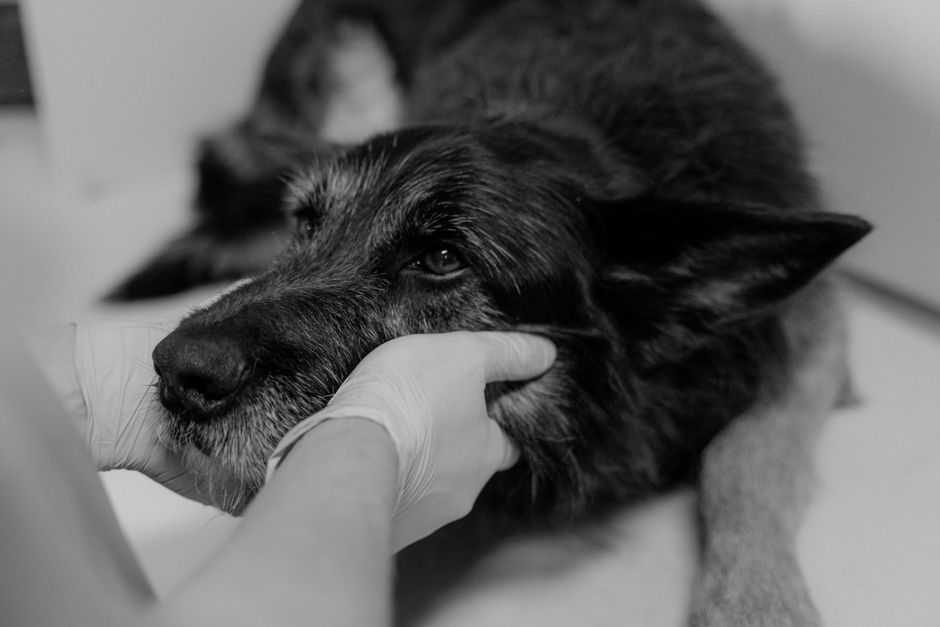
Many pet owners first notice their dog’s dental problems when their companion has trouble chewing, avoids hard food or toys, or shows changes in behavior. Key symptoms that a dog may need a dental evaluation include persistent bad breath, visible gaps where teeth are missing, excessive drooling, pawing at the mouth, or signs of oral pain such as whimpering while eating. Additionally, fractured or discolored teeth, swelling along the jawline, or unexplained bleeding from the gums can signal underlying dental disease or trauma that may eventually require advanced intervention. In some cases, dogs may lose teeth due to accidents, advanced periodontal disease, or other oral health issues. When a tooth is lost or extracted, neighboring teeth can shift, gums may become irritated, and your dog’s ability to chew comfortably can be compromised. If you notice any of these concerns, it’s important to seek a comprehensive evaluation by a veterinary dental specialist to determine if dog teeth implants could be the right solution for your pet.
Understanding the Causes: Why Dogs Lose Teeth and the Role of Implants
Tooth loss in dogs can occur for several reasons. Periodontal disease is the most common culprit, affecting a significant percentage of adult dogs as they age. As plaque and tartar accumulate and work their way beneath the gum line, they can destroy the supporting bone and tissues, eventually leading to tooth loss. Trauma is another frequent cause; dogs who love to chew hard objects or who experience a blow to the mouth may fracture teeth or dislodge them entirely. Congenital defects, such as malformed or missing teeth from birth, or long-standing infections can also play a role. In some cases, teeth must be removed as part of treatment for oral tumors or other serious health concerns. When a tooth is lost, the remaining teeth and jawbone can suffer from uneven pressure and bone loss over time. This can impact your dog’s ability to eat, play, and interact comfortably. Dog teeth implants serve not only to restore function but also to preserve the integrity of surrounding bone and tissues, offering a long-term solution where other methods, such as bridges or partial dentures, may not be suitable.
Advanced Treatment: What to Expect from Dog Teeth Implants in Coral Springs
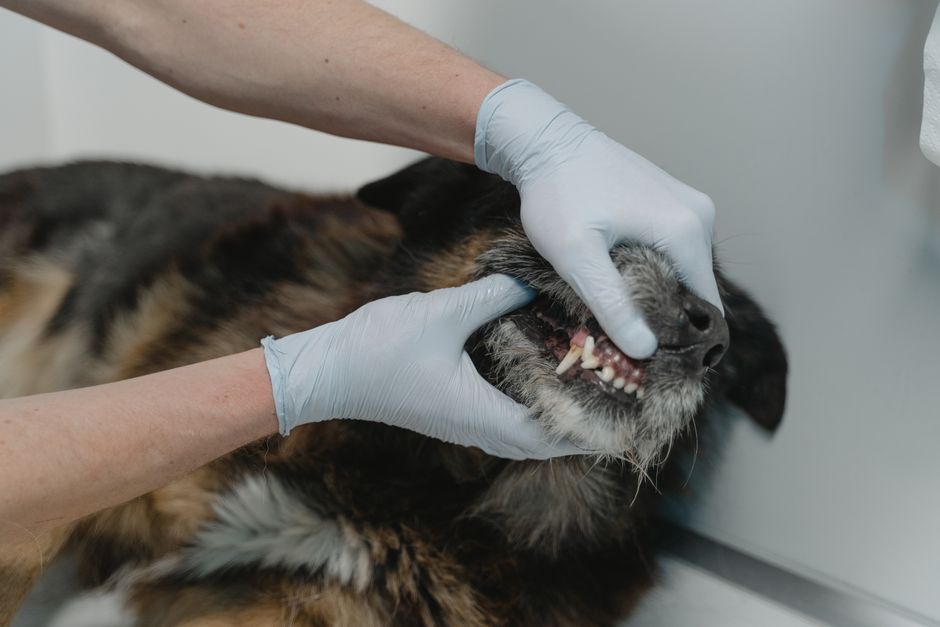
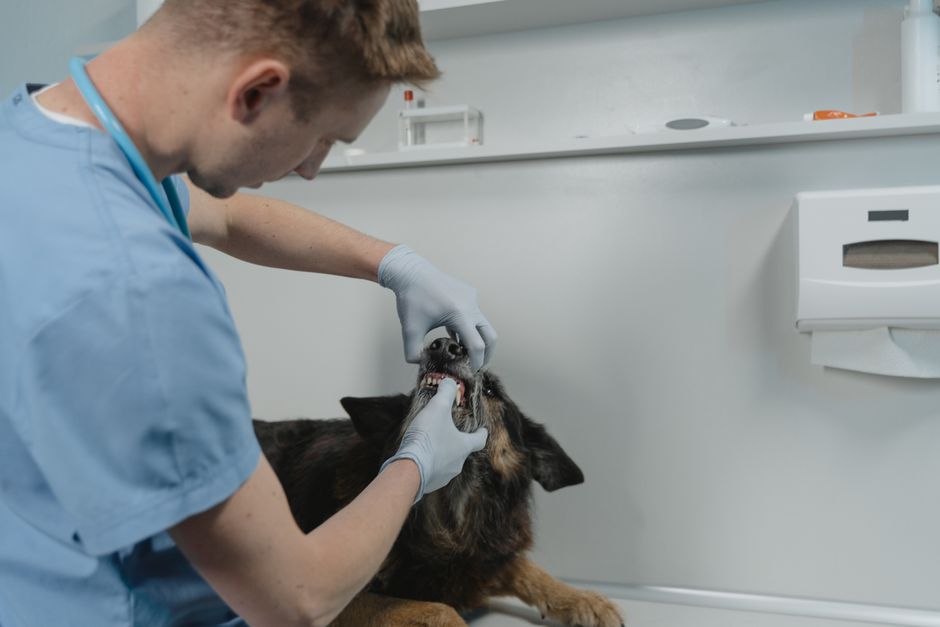
Dog teeth implants are sophisticated prosthetic devices that closely mimic the function and appearance of natural teeth. The procedure involves placing a biocompatible titanium post into the jawbone, which then fuses with the bone over time to create a stable anchor. Once healing has occurred, a custom prosthetic tooth is attached, restoring your dog’s bite and comfort. At Florida Veterinary Dental Services, our veterinary dental specialists use advanced imaging techniques, such as onsite CT scans and intra-oral radiology, to meticulously plan each implant procedure. All steps are performed under general anesthesia to ensure your pet’s safety and comfort. The process typically involves an initial assessment, imaging studies, surgical placement of the implant, and a follow-up visit to attach the prosthetic tooth. During this journey, our team is committed to minimizing discomfort and providing comprehensive pain management. For dogs who have experienced oral trauma, restorative treatments may also involve the repair of surrounding tissues or additional procedures to address complex dental needs. For more information about the full range of implant services, visit our Teeth Implantology page. If your dog’s tooth loss is due to injury, our oral trauma treatment services are designed to restore both function and comfort.
Pain Management and Recovery
Pain control is a top priority throughout the implant process. Our veterinary dental team uses multimodal pain management strategies, including local anesthetics, anti-inflammatory medications, and advanced therapies as appropriate. Recovery times vary, but most dogs are up and eating soft foods within a few days, and return to normal activities as healing progresses. We provide detailed home care instructions to help your pet heal comfortably and reduce the risk of complications. If your dog experiences ongoing discomfort, our oral pain management services are available to provide additional support.
Prevention and Home Care: Supporting Your Dog’s Oral Health After Implants
While dog teeth implants are a remarkable solution for missing teeth, preventive care remains essential for long-term success. Daily or frequent brushing with a veterinary-approved toothpaste helps keep gums healthy and prevents further disease. Offering dental-specific chews, monitoring your dog’s chewing habits, and avoiding hard, non-edible objects reduce the risk of fractures and trauma. Regular professional cleanings and oral examinations are vital for dogs with implants, as these visits allow your veterinary dental specialist to assess the condition of implants, gums, and remaining teeth. After implant placement, it is important to follow all post-operative care instructions, which typically include feeding soft foods for a period, administering prescribed medications, and avoiding rough play that could stress the implant site. If you notice redness, swelling, or discharge around the implant, or if your dog resumes signs of oral discomfort, prompt veterinary attention is necessary to ensure the implant’s success.
When to Seek Veterinary Dental Expertise
Deciding when to seek specialty care for your dog’s dental issues can feel daunting, but there are clear indicators that professional help is needed. If your dog has lost a tooth, shows signs of persistent oral pain, or has been diagnosed with advanced periodontal disease, a consultation with a veterinary dental specialist is recommended. Dogs with a history of oral trauma, complex medical conditions, or failed prior dental treatments also benefit from specialty assessment. Early intervention improves outcomes and can make a significant difference in your dog’s comfort and quality of life.
Owners should be aware that dog teeth implants are not a routine procedure and require specialized expertise; not all general practice clinics offer this service. As a referral-based practice, Florida Veterinary Dental Services accepts patients from general practitioners who recognize the need for advanced dental care. Our team partners closely with your primary care veterinarian to ensure seamless, comprehensive treatment for every patient. If you are searching for a “veterinary dental specialist vet near me,” our clinic is equipped to provide the highest standard of care for challenging dental and oral surgery cases.
Take the Next Step: Restore Your Dog’s Smile with Expertise in Coral Springs
Tooth loss and advanced dental disease no longer mean that your dog must live with discomfort or limited function. With the latest advancements in dog teeth implants, your pet can enjoy a renewed quality of life, improved chewing ability, and a healthy, pain-free mouth. At Florida Veterinary Dental Services, our board-certified veterinary dental professionals are committed to providing compassionate, precise care for every patient. If you believe your dog could benefit from teeth implants or advanced dental treatment, we invite you to schedule a consultation at our specialty clinic in Coral Springs. You can learn more about our teeth implantology services, oral trauma treatments, and oral pain management options by visiting our website.
When searching for a veterinary dental specialist vet near me, trust the expertise and advanced technology of Florida Veterinary Dental Services to provide the solutions your pet deserves. To schedule your dog’s dental implant evaluation or to discuss your concerns with our veterinary dental team, call (954) 396-9660. We look forward to helping your dog rediscover the joy of a healthy, happy smile.
Please note: The information in this blog is intended for educational purposes only and does not replace professional veterinary diagnosis or treatment. Always consult a veterinary dental specialist for an individualized assessment of your pet’s dental health. For more information on veterinary dental care, you may also visit resources such as the American Veterinary Dental College.