Dog Teeth Implants: Benefits, Procedure, and Recovery in Coral Springs


Dog Teeth Implants: Benefits, Procedure, and Recovery in Coral Springs
Is your dog struggling to eat, play, or smile confidently because of missing or damaged teeth? If so, you are not alone. Tooth loss in dogs can be distressing for both pets and their owners, leading to discomfort, difficulty chewing, and even changes in behavior. Fortunately, advancements in veterinary dentistry now offer solutions that were once available only to people. Dog teeth implants are a cutting-edge treatment that can restore your dog’s ability to enjoy life to the fullest. At Florida Veterinary Dental Services, located at 4101 Turtle Creek Drive, Coral Springs, FL 33067, our team of veterinary dental specialists is proud to provide advanced dental implantology tailored specifically for pets. In this guide, we will explore the key benefits of dog teeth implants, walk you through what to expect from the procedure, and explain the recovery process. Whether you are considering implants for the first time or seeking specialized care after a referral from your primary veterinarian, you can trust us to help your pet achieve a healthier, happier smile. If you are curious about the details or want to know if your dog is a candidate, keep reading to learn how our expertise in dog teeth implants can make a lasting difference for your pet here in Coral Springs and surrounding communities.
Recognizing the Need: Signs Your Dog May Benefit from Teeth Implants
Dogs rely on their teeth for eating, playing, and expressing themselves. When a tooth is lost or damaged, it can impact their overall well-being. Key symptoms that may indicate your dog could benefit from dog teeth implants include persistent difficulty eating or chewing, noticeable changes in appetite, dropping food from the mouth, or reluctance to chew on toys. You may also notice visible gaps where teeth are missing, swelling or redness in the gums, and even behavioral shifts such as irritability or withdrawal from social interaction. In some cases, chronic pawing at the mouth or facial swelling may be present, especially if oral pain is a factor.
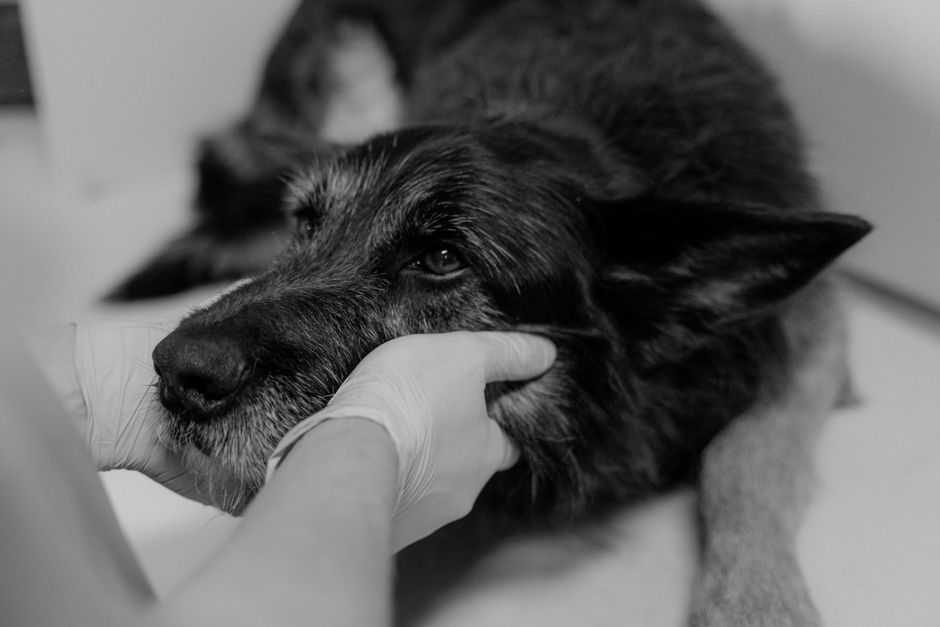
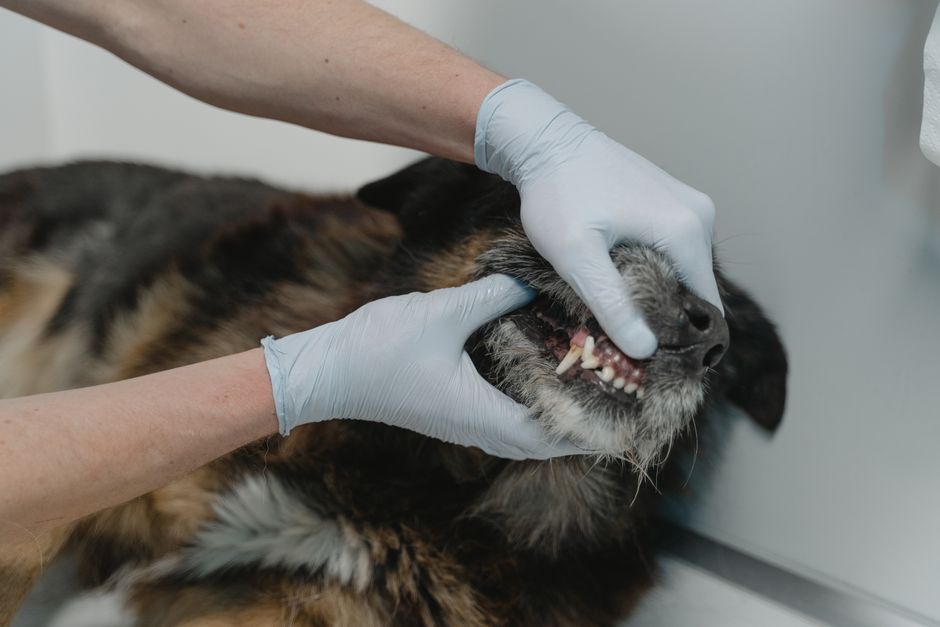
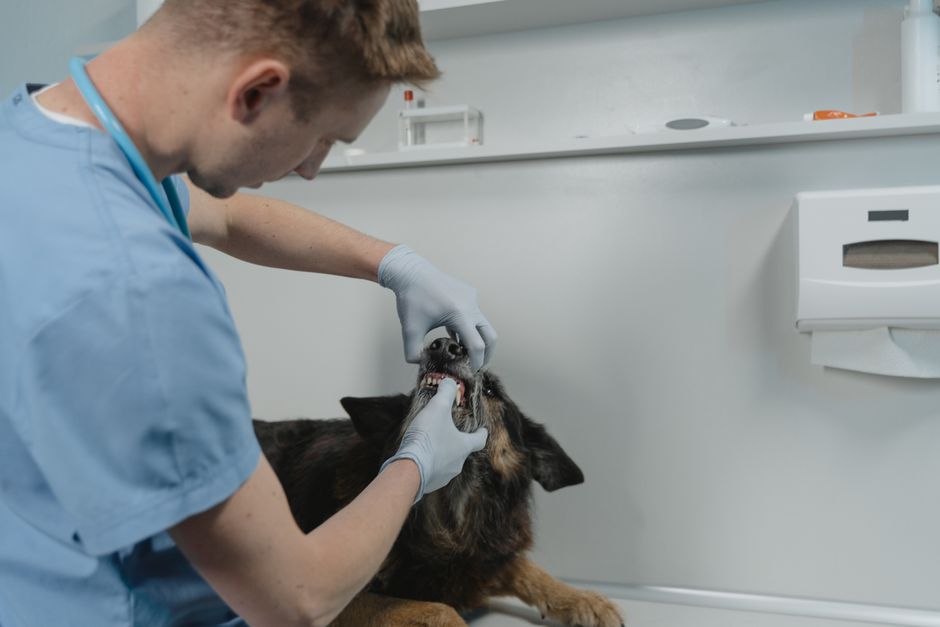
Dogs with fractured teeth, advanced periodontal disease, or those who have lost teeth due to trauma often experience these symptoms. It is important to remember that some dogs are naturally stoic and may not show obvious pain, so subtle changes in behavior or eating patterns can be crucial clues. If you observe any of these issues, a comprehensive dental evaluation by a veterinary dental specialist is vital. At Florida Veterinary Dental Services, our team uses advanced diagnostic imaging and oral examination techniques to determine the underlying causes and identify the best treatment options for your pet.
Why Tooth Loss Occurs in Dogs: Understanding the Causes
Tooth loss in dogs is more common than many pet owners realize. Periodontal disease remains the leading cause, as advanced infection and inflammation can destroy the supporting structures around teeth, ultimately resulting in tooth loss. Other causes involve traumatic injuries such as chewing on hard objects, accidents, or even altercations with other animals. In certain cases, congenital defects, oral tumors, or severe untreated dental fractures may also contribute to tooth loss.
Florida’s climate presents additional challenges; the warm, humid environment often accelerates tartar buildup and bacterial growth, making regular dental care essential for pets living in Coral Springs and nearby areas. Certain breeds, especially small or brachycephalic dogs, are more prone to dental issues that can lead to early tooth loss. Identifying and addressing these risk factors through a combination of professional care and at-home oral hygiene can make a significant difference in your dog’s long-term dental health.
Dog Teeth Implants: Advanced Treatment for Lasting Results
Dental implants for dogs are a sophisticated solution designed to replace missing teeth and restore both function and appearance. The process begins with a thorough evaluation that includes intra-oral dental radiology to assess bone health and identify any underlying concerns. This diagnostic step ensures that your dog is a suitable candidate for implant placement and helps our veterinary dental professionals formulate a customized treatment plan. If you would like to learn more about our approach to dental imaging, visit our intra-oral dental radiology information.
What Happens During the Dental Implant Procedure?
Once your dog is cleared for dental implants, the procedure involves several carefully orchestrated steps. Initially, any remaining damaged tooth fragments are gently removed, and the surgical site is prepared. Using advanced techniques and sterile conditions, a small titanium implant is placed into the jawbone where the missing tooth once was. Over time, the bone naturally integrates with the implant in a process known as osseointegration, creating a secure foundation for the replacement tooth.
After the initial placement, a healing period follows, during which your dog is monitored closely to ensure proper integration and gum health. Once healing is complete, a custom-designed crown is attached to the implant post, replicating the appearance and function of a natural tooth. The end result is a stable, functional, and aesthetically pleasing replacement that allows your dog to eat, play, and smile with confidence.
If you are interested in a deeper dive into the specifics of the procedure, visit our dedicated teeth implantology page for more comprehensive information.
Recovery and Aftercare: Supporting Your Dog’s Healing
Recovery from dental implant surgery varies depending on your dog’s age, health status, and the complexity of the case. Most dogs tolerate the procedure exceptionally well and are back to their normal routines within a few days to a week, with full integration occurring over several months. During the initial recovery, your dog may need to eat soft foods, avoid hard chew toys, and receive prescribed medications to manage pain or prevent infection. Our veterinary dental team will guide you on specific home care techniques, monitor healing progress, and schedule follow-up visits to ensure optimal results.
It is essential to keep the implant site clean and inspect your dog’s mouth regularly for signs of swelling, redness, or discharge. Should you notice any worrisome changes, such as persistent bleeding, refusal to eat, or sudden discomfort, contact our team promptly for professional evaluation.
Preventive Steps and Home Care for Lifelong Oral Health
While dog teeth implants offer a life-changing solution for tooth loss, prevention remains the cornerstone of lifelong dental health. Effective strategies for maintaining your dog’s oral well-being include daily tooth brushing with pet-safe toothpaste, offering dental chews recommended by your veterinarian, and scheduling regular professional cleanings. Monitoring your dog’s mouth for early signs of dental disease, such as bad breath or tartar buildup, enables timely intervention before issues become severe.
Routine dental wellness exams are crucial for early detection and management of potential problems. By bringing your dog in for periodic assessments, you ensure any developing concerns are addressed before they progress to tooth loss or require more extensive intervention. Learn more about the importance of a wellness examination for your pet and how it can help safeguard their smile.
When to Seek Veterinary Dental Care: Acting at the Right Time
Recognizing when your dog needs specialized dental care is vital for their long-term health. Immediate evaluation by a veterinary dental specialist is recommended if you notice persistent pain, bleeding from the mouth, loose or missing teeth, visible swelling, or difficulty eating. Dogs who have suffered trauma, have pre-existing medical conditions, or are experiencing chronic oral discomfort should be assessed promptly. Additionally, if your primary veterinarian identifies a missing or damaged tooth during a routine checkup, a referral to a specialty center like Florida Veterinary Dental Services ensures your pet receives the highest standard of care.
Dog teeth implants are a highly specialized service that requires advanced training, surgical expertise, and state-of-the-art equipment. Our veterinary dental professionals in Coral Springs are uniquely qualified to assess, treat, and manage complex dental cases, including implantology. If you are searching for a "veterinary dental specialist vet near me," look for a practice with board-certified specialists, advanced imaging capabilities, and a proven track record in dental implantology.
Trust Florida Veterinary Dental Services for Dog Teeth Implants in Coral Springs
Your dog’s health, happiness, and comfort are at the heart of everything we do. At Florida Veterinary Dental Services, our commitment to excellence in veterinary dentistry means your pet will receive the most advanced care available, from initial evaluation through recovery and beyond. Whether your dog is struggling after tooth loss or you want to explore the benefits of implants after a referral, our team of veterinary dental professionals is here to help every step of the way.
If you would like to discuss your dog’s dental health, schedule a comprehensive assessment, or learn more about dog teeth implants, please reach out to us at (954) 396-9660 or visit our Coral Springs location. Our veterinary dental specialists are ready to collaborate with your primary veterinarian and provide compassionate, expert care for your beloved companion.
For additional resources on dental wellness, explore our tooth restorations and crowns services or schedule a wellness examination to get started. When searching for a veterinary dental specialist vet near me, choose the team in Coral Springs that combines advanced expertise with genuine compassion for your pet’s lifelong health. Your dog’s brighter, healthier smile starts here.