Dog Cancer in the Mouth: Diagnosis, Treatment, and Hope

Dog Cancer in the Mouth: Diagnosis, Treatment, and Hope
If you have noticed something unusual in your dog’s mouth—such as a lump, swelling, bleeding, or bad breath—you are not alone in your concern. Oral tumors are one of the more common forms of cancer that affect dogs, and early recognition can make a profound difference in comfort, treatment options, and long-term outcome. At Florida Veterinary Dental Services, located at 4101 Turtle Creek Drive, Coral Springs, FL 33067, our specialty veterinary dental and oral surgery team is dedicated to helping pet owners throughout Coral Springs and surrounding communities understand the signs, causes, and advanced treatment options for dog cancer in the mouth. This blog will guide you through what to watch for, why prompt care is essential, and how our expert oral surgery and diagnostic services offer hope and healing for dogs facing oral tumors. If you are searching for answers about “dog cancer mouth,” you are in the right place for reliable, compassionate expertise.
Recognizing Dog Cancer in the Mouth: Early Signs Matter
One of the biggest challenges with dog cancer in the mouth is that the early signs can be subtle or mistaken for less serious dental issues. Pet owners often notice changes such as persistent bad breath, drooling, or difficulty eating before they see a visible mass. Other symptoms to watch for include bleeding from the mouth, swelling of the jaw or face, loose teeth without a clear cause, and reluctance to play with toys or chew food. Sometimes, an oral tumor appears as a visible growth along the gums, palate, or under the tongue, but in other cases, the signs are hidden deeper in the mouth or jawbone.
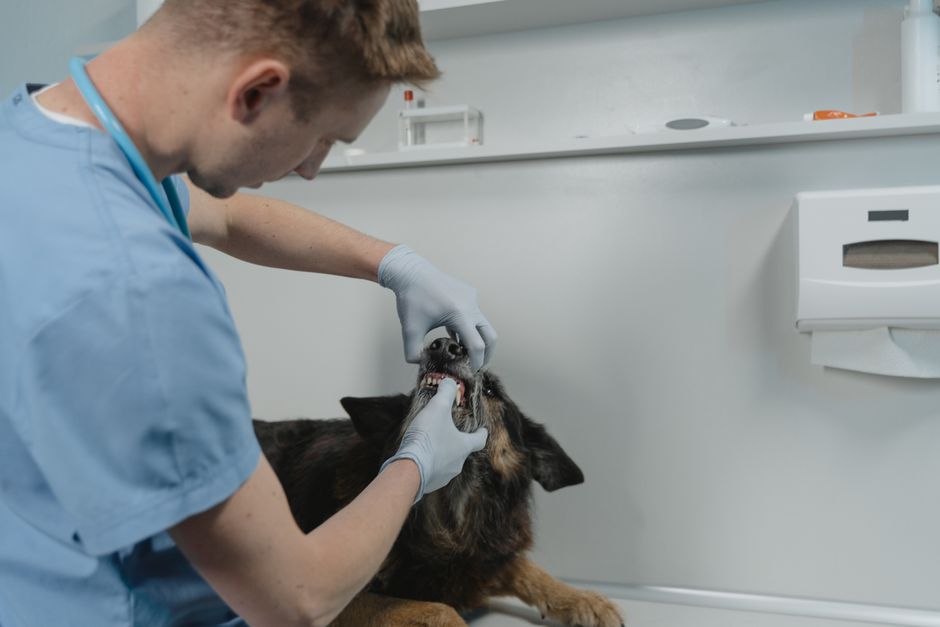
Behavioral changes are also important clues; a dog that suddenly avoids having its mouth touched, seems withdrawn, or loses interest in food or play may be experiencing oral discomfort or pain. Unexplained weight loss, pawing at the mouth, or visible sores that do not heal all warrant further investigation. If you notice one or more of these symptoms, scheduling a comprehensive oral examination with a veterinary dental specialist is the first step in uncovering the cause and protecting your dog’s health. Our team at Florida Veterinary Dental Services is equipped to perform a thorough evaluation and advanced diagnostics to determine the exact nature of any oral abnormality.
Understanding the Causes of Dog Cancer in the Mouth
Oral tumors in dogs—sometimes referred to as dog cancer mouth—can arise from a variety of tissues and take many forms. The most common types include malignant melanoma, squamous cell carcinoma, and fibrosarcoma, each with its own growth pattern and tendency to spread. While the precise reasons some dogs develop oral cancer are not fully understood, certain risk factors have been identified. Age is a significant factor, as oral tumors tend to occur more frequently in older dogs. Some breeds, such as Cocker Spaniels, Golden Retrievers, and German Shepherds, may have a higher predisposition to specific tumor types.
Environmental influences, including exposure to tobacco smoke or certain chemicals, may also play a role, though these links are still being researched. Chronic inflammation or untreated dental disease can sometimes contribute to abnormal cell growth in oral tissues. It is important to remember that the vast majority of oral tumors are not caused by anything a pet owner did or did not do; rather, they result from complex interactions between genetics, environment, and chance.
The prognosis for oral tumors in dogs varies widely depending on the tumor type, location, size, and whether it has spread to other areas of the body. Early detection and intervention are key to improving outcomes, which is why regular wellness examinations and prompt attention to changes in your dog’s mouth are so critical.
Advanced Diagnosis and Treatment for Dog Cancer Mouth
When a dog is suspected of having an oral tumor, a specialist veterinary dental team offers a complete range of diagnostic tools to accurately assess the problem. At Florida Veterinary Dental Services, we use advanced imaging such as digital dental radiographs and on-site CT scanning to visualize the extent of the tumor, evaluate involvement of bone or surrounding tissues, and plan the safest, most effective treatment. A biopsy, in which a small sample of tissue is collected and examined by a veterinary pathologist, is typically required to determine the exact tumor type.
Once a diagnosis is confirmed, our team develops a personalized treatment plan. Surgical removal of the tumor is the cornerstone of therapy for most oral cancers; the goal is to excise the tumor with adequate margins to minimize the risk of recurrence. Some tumors may require maxillofacial surgery to address areas involving the jaw or facial bones. Specialized procedures, such as oral and facial tumor surgery, are performed using state-of-the-art equipment and techniques designed to maximize comfort and function for your dog.
For certain aggressive or advanced tumors, additional treatments such as cryotherapy, targeted oral oncology surgery, or referral for adjunctive therapies like radiation or chemotherapy may be recommended. Throughout the diagnostic and treatment process, managing your dog’s comfort is paramount. Our team is experienced in oral pain management to ensure that your dog experiences as little discomfort as possible before, during, and after surgery.
Prevention and Home Care: What Pet Owners Can Do
While not all cases of dog cancer mouth can be prevented, there are important steps you can take to reduce your dog’s risk and support early detection. Maintaining regular dental care—including professional cleanings and at-home oral hygiene—helps reduce inflammation and allows for early identification of abnormal changes. Routine wellness examinations by your primary care veterinarian or a dental specialist provide opportunities to catch small tumors or other oral issues before they become more serious.
At home, it is helpful to become familiar with your dog’s normal mouth appearance and behavior. Gently lifting the lips to inspect the gums and teeth, watching for changes in eating habits, and monitoring for signs such as drooling, bleeding, or swelling can provide early warning. Avoiding exposure to tobacco smoke and providing a healthy diet may also contribute to overall wellness.
If your dog has a history of dental problems, oral cysts, or benign tumors, ongoing monitoring and collaboration with your veterinary team is essential. Early action is always preferable to waiting and hoping a problem will resolve on its own.
When to Seek Veterinary Dental Care
Prompt veterinary attention is crucial any time you notice new or worsening symptoms in your dog’s mouth. Situations that warrant immediate evaluation include visible masses, bleeding that does not stop, sudden changes in jaw alignment, or acute pain that interferes with eating or drinking. Even if symptoms appear mild, persistent bad breath, reluctance to chew, or unexplained weight loss should be discussed with a veterinary professional.
It is important to recognize that while general practitioners are skilled at identifying and managing many oral health concerns, complex cases of dog cancer mouth are best handled by a specialty veterinary dental team with advanced training and equipment. Referral to a center like Florida Veterinary Dental Services ensures access to the latest diagnostic tools and surgical expertise for the best possible outcome.
If you are unsure whether your dog’s symptoms require urgent attention, do not hesitate to call our clinic for guidance. Our compassionate veterinary professionals can help you determine the next steps and coordinate care with your primary veterinarian as needed.
Compassion, Expertise, and Hope: Your Partner in Treating Dog Cancer Mouth
Facing a diagnosis of dog cancer mouth can feel overwhelming, but with the right support and expertise, there is hope for improved comfort and quality of life. At Florida Veterinary Dental Services, our team of board-certified veterinary dental specialists provides advanced diagnostics, surgical treatment, and oral pain management tailored to your dog’s unique needs. We are proud to serve families throughout Coral Springs and surrounding communities from our state-of-the-art facility at 4101 Turtle Creek Drive, Coral Springs, FL 33067.
If you notice any concerning changes in your dog’s mouth, or if your veterinarian has recommended a specialist evaluation, we invite you to reach out to our veterinary dental team for compassionate, expert care. When searching for a specialty vet near me with experience in diagnosing and treating complex mouth cancers, our team is here to help guide you every step of the way.
For more information about our services or to schedule a consultation, call (954) 396-9660 or visit our website at floridaveterinarydentalservices.com. You can also learn more about our advanced oral and facial tumor surgery and oral pain management options on our website. Your dog’s comfort, health, and happiness are our highest priorities; let us help you find hope and healing for dog cancer mouth.