Dog Bleeding From Mouth Cancer: Symptoms, Care, and Treatment Options

Dog Bleeding From Mouth Cancer: Symptoms, Care, and Treatment Options
When you notice your dog bleeding from the mouth, it can be an alarming and emotional experience. For many pet owners in Coral Springs and the surrounding communities, this symptom raises immediate questions and deep concern—especially when cancer is a suspected cause. At Florida Veterinary Dental Services, located at 4101 Turtle Creek Drive, Coral Springs, FL 33067, our dedicated team of board-certified veterinary dental specialists is here to help dogs facing complex oral health challenges, including oral tumors and cancers. In this blog, we will guide you through the signs of dog bleeding from mouth cancer, what this may mean for your pet, how specialist care at our center addresses these issues, and what steps you can take to support your dog’s comfort and quality of life. If you are searching for answers about dog bleeding from mouth cancer, or need advanced care for your pet, you are in the right place.
Recognizing Bleeding and Other Signs of Oral Cancer in Dogs
Spotting blood in your dog’s saliva, on chew toys, or around the mouth can be frightening. While there are many possible reasons for oral bleeding, cancer is a serious cause that requires prompt veterinary attention. For pet owners, it is important to recognize that bleeding may present as obvious dripping, blood stains on bedding, or even subtle pink streaks mixed with saliva. Other key symptoms of oral cancer in dogs include persistent bad breath, swelling or lumps in the mouth or jaw, difficulty eating, loose teeth unrelated to age, increased drooling, or visible masses on the gums or tongue. Some dogs may paw at their mouth, drop food, or show changes in appetite. When bleeding is present alongside these signs, it is crucial to seek immediate evaluation by a veterinary dental specialist.
Why Does Dog Bleeding From Mouth Cancer Occur?
Oral cancers in dogs can develop in any part of the mouth, including the gums, lips, tongue, jawbones, and palate. Common types include melanoma, squamous cell carcinoma, and fibrosarcoma. As these tumors grow, they may invade surrounding tissues, disrupt normal blood vessels, and lead to ulceration or infection—causing bleeding from the affected area. The mouth is a highly vascular region, so even a small tumor may bleed significantly when irritated by chewing, toys, or routine eating. Some cancers destroy the bone supporting the teeth, leading to loose teeth and additional sources of bleeding. It is important to note that not every bleed from the mouth is due to cancer; trauma, periodontal disease, foreign objects, or other oral conditions can also be responsible. However, persistent or recurrent bleeding—especially when accompanied by swelling, masses, or difficulty eating—should always be evaluated by a veterinary dental specialist.
Advanced Diagnosis and Treatment of Oral Cancer in Dogs
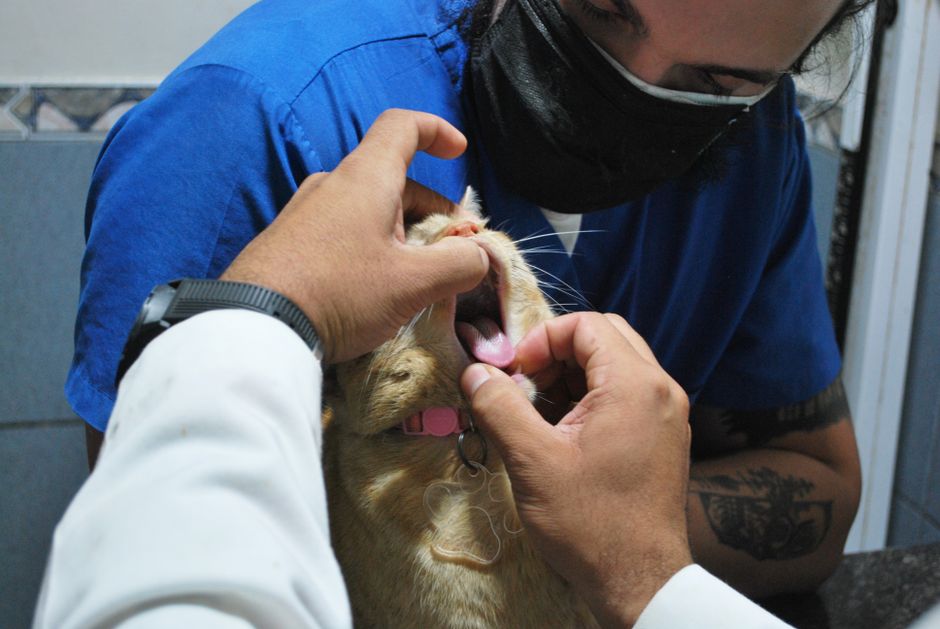
When a dog presents with mouth bleeding that may be related to cancer, accurate diagnosis is the first step. At Florida Veterinary Dental Services in Coral Springs, our veterinary dental team uses advanced imaging such as intra-oral radiography and CT scans to assess the extent and location of oral tumors. A thorough oral examination, often under gentle anesthesia, allows for precise visualization and biopsy of suspicious areas. Histopathology (microscopic examination) of biopsy samples identifies the specific type of cancer, which is critical for developing a targeted treatment plan.
Treatment options for dog bleeding from mouth cancer depend on the tumor’s type, size, and location. Our center specializes in surgical management of oral and maxillofacial tumors, offering procedures ranging from mass removal to partial jaw resections when necessary. Surgical removal remains the gold standard for many oral cancers, and our expertise ensures the best possible outcomes with careful pain management and attention to your dog's quality of life. For some patients, adjunctive therapies such as oral oncology surgery, advanced pain control, or referral to veterinary oncologists for radiation or chemotherapy may be recommended. You can learn more about our oral and facial tumor surgery and oral oncology surgery services, which are tailored to each dog's individual needs.
If bleeding is causing significant discomfort or risk of anemia, immediate interventions may include cauterization of bleeding vessels, wound care, and supportive therapies. Our oral pain management services focus on relieving discomfort throughout treatment and recovery.
Home Care and Support for Dogs With Oral Cancer
Supporting your dog at home during cancer treatment or while awaiting specialist evaluation is an important part of your pet’s overall care. Gentle oral hygiene can help minimize infection; however, avoid brushing or manipulating the area if bleeding is active or the mass is painful. Feeding soft, palatable foods can reduce trauma to sensitive tissues and make eating less stressful for your dog. Monitor your dog for changes in appetite, energy, or the amount of blood you notice. Keep their bedding and environment clean to reduce the risk of secondary infection. If your dog is on medications for pain or infection, administer them exactly as prescribed and never use human medications without veterinary guidance. While home care can provide comfort, it is not a substitute for professional diagnosis and treatment—especially when bleeding is significant or persistent.
When to Seek Veterinary Dental Care
Any dog experiencing unexplained bleeding from the mouth deserves prompt evaluation. Immediate veterinary attention is especially important if bleeding is heavy, persistent, or accompanied by symptoms such as swelling, difficulty breathing, trouble eating, or rapid decline in energy. For dogs already diagnosed with oral cancer, sudden increases in bleeding or changes in the appearance of the mass should be reported to your veterinary dental team right away. General practice veterinarians may refer you to a veterinary dental specialist for advanced diagnostics and surgical care; our team at Florida Veterinary Dental Services works closely with referring veterinarians to ensure seamless, comprehensive support for your pet. If your dog needs urgent attention, we also offer emergency care for dental and oral conditions.
The Importance of Early Detection and Specialist Expertise
Early detection of oral cancers can greatly improve treatment outcomes and quality of life for affected dogs. Routine wellness checks and dental examinations are key to catching problems before they progress. If you notice any changes in your dog’s mouth—such as bleeding, swelling, odor, or difficulty eating—do not wait to seek advice. Our team of veterinary dental specialists at Florida Veterinary Dental Services in Coral Springs has the experience and advanced tools needed to diagnose, stage, and treat complex oral tumors. We are dedicated to minimizing pain, restoring function, and supporting both pets and their families through every step of the process.
Finding a Specialty Vet Near Me in Coral Springs
If you are searching for a specialty vet near me for dog bleeding from mouth cancer, Florida Veterinary Dental Services is here to help. Our practice serves Coral Springs and surrounding communities with advanced dental and oral surgery expertise. From complex tumor surgeries to ongoing pain management, we work closely with both pet owners and referring veterinarians to ensure the best possible outcome for every patient.
Take the Next Step: Compassionate Care for Dogs With Mouth Cancer
Dog bleeding from mouth cancer is a serious condition that requires prompt, expert attention. If you have noticed bleeding, swelling, or any unusual changes in your dog’s mouth, do not hesitate to reach out for help. At Florida Veterinary Dental Services, our board-certified veterinary dental team is committed to providing compassionate, state-of-the-art care tailored to your dog’s unique needs. To schedule a consultation or learn more about our services, contact us at (954) 396-9660 or visit us at 4101 Turtle Creek Drive, Coral Springs, FL 33067. For urgent concerns, our emergency care services are available during business hours to assist you and your pet. Remember, early intervention can make all the difference in managing dog bleeding from mouth cancer and improving your dog’s comfort and quality of life.
This blog is intended for informational purposes only and does not replace professional veterinary diagnosis or treatment. If your dog is experiencing bleeding or other concerning symptoms, always consult your veterinarian or a veterinary dental specialist promptly.