Advanced Dental Surgery for Cats: What Pet Owners Should Know

Advanced Dental Surgery for Cats: What Pet Owners Should Know
If your cat is struggling with oral pain, difficulty eating, or unexplained behavior changes, you are not alone. Dental disease is one of the most common health concerns affecting cats, and in some cases, advanced dental surgery is needed to restore comfort and quality of life. At Florida Veterinary Dental Services, our specialty veterinary dental and oral surgery center in Coral Springs, FL, we understand how stressful it can be when your cat faces dental issues that go beyond routine cleanings. Our team of veterinary dental professionals, led by Dr. Fuentes, offers expertise in advanced diagnostics, surgical care, pain management, and restorative procedures—helping pet owners from Coral Springs and surrounding communities navigate complex feline dental conditions with confidence.
In this blog, you will learn how to recognize signs that your cat might need dental surgery, understand the underlying causes of severe feline oral disease, discover the advanced treatment options available at a specialty center, and get practical tips for caring for your cat before and after surgery. We will also explain when it is time to seek a referral for veterinary dental care and why choosing an experienced specialty team can make all the difference for your cat’s health and comfort.
Recognizing Dental Problems in Cats: Signs Your Cat May Need Advanced Care
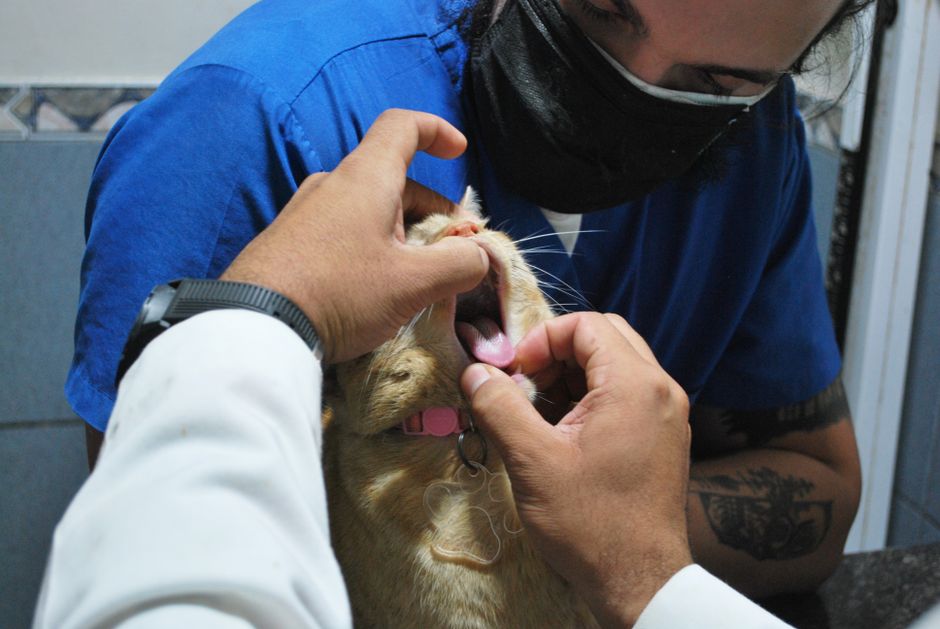
Cats are masters at hiding discomfort, making it challenging for pet owners to spot the early warning signs of dental disease. However, certain symptoms often indicate that your cat’s oral health has progressed beyond what routine at-home care or a general veterinary cleaning can address. Key symptoms of dental problems include bad breath that lingers even after brushing, drooling or blood-tinged saliva, difficulty eating or dropping food while chewing, and visible changes in the mouth such as red or swollen gums, broken teeth, or oral masses. Some cats show subtle signs such as pawing at the mouth, preferring soft food over kibble, or becoming less social and withdrawn.
When dental disease advances, cats may experience weight loss, decreased grooming, and persistent pain. In severe cases, you may notice swelling around the face or jaw, nasal discharge, or even visible wounds in the mouth. Many pet owners initially mistake these changes for signs of aging or finicky behavior, but they often point to underlying issues such as severe periodontal disease, oral tumors, or painful inflammatory conditions.
If you observe these changes or persistent oral discomfort in your cat, it is important to seek veterinary evaluation as soon as possible. Early intervention can prevent further complications and help your cat return to a comfortable, happy life.
Why Do Cats Need Advanced Dental Surgery? Understanding the Causes
Not all dental disease in cats requires surgical intervention, but certain conditions demand specialized care. Periodontal disease, which affects the tissues supporting the teeth, is one of the most common reasons cats require advanced surgical treatment. As periodontal disease progresses, it can lead to deep infection, tooth loss, and damage to the jawbone. In some cases, surgical procedures such as periodontal surgery are necessary to remove diseased tissue and restore oral health.
Other complex conditions that may require advanced dental surgery include feline odontoclastic resorptive lesions (FORLs), which cause the painful breakdown of tooth structure; oral tumors or masses; jaw fractures from trauma; and congenital issues such as cleft palate. Chronic inflammatory diseases like feline gingivostomatitis also frequently require specialized intervention. Additionally, advanced dental imaging is often needed to diagnose underlying bone involvement or assess the full extent of oral disease, guiding surgical planning and ensuring comprehensive treatment.
In these situations, a referral to a veterinary dental specialist is recommended, as specialized training and equipment are essential for safe and effective care—especially for delicate feline patients.
Treatment: What to Expect from Advanced Dental Surgery for Cats
When your cat is referred to a specialty center like Florida Veterinary Dental Services, you can expect a comprehensive approach that starts with detailed diagnostics. Our team uses advanced imaging such as intra-oral dental radiology and on-site CT scans to thoroughly evaluate the teeth, jaw, and surrounding structures. This allows us to precisely identify the problem and develop an individualized treatment plan.
Treatment options for cats vary depending on the diagnosis. For severe periodontal disease, periodontal surgery may involve cleaning below the gumline, removing infected tissue, and sometimes extracting teeth that cannot be saved. In cases of oral tumors or masses, our team is skilled in oral and facial tumor surgery and can perform delicate procedures to remove abnormal tissue while preserving as much healthy function as possible. Cats with jaw fractures, cleft palates, or complex oral injuries benefit from advanced surgical techniques and specialized pain management protocols tailored for feline comfort.
Throughout the process, our veterinary dental professionals prioritize your cat’s safety and comfort. From anesthesia monitoring to multimodal pain relief, every step is designed to minimize risk and support a smooth recovery. Pet owners are kept informed at every stage, and we provide clear aftercare instructions to help your cat heal at home.
Home Care and Prevention: Supporting Your Cat’s Oral Health
While some dental conditions are unavoidable, proactive home care can go a long way in reducing your cat’s risk of needing advanced dental surgery in the future. Regular tooth brushing with feline-safe toothpaste helps remove plaque and slow the progression of periodontal disease. Dental diets and treats approved by your veterinarian can also contribute to oral health, as can routine professional cleanings.
After dental surgery, your cat will need special care to support healing. This may include feeding soft food, administering prescribed medications, and gently monitoring the incision site for signs of swelling, redness, or discharge. Most cats recover well with supportive home care and benefit from a quiet, comfortable environment as they heal. Our team is always available to answer questions and provide guidance during your cat’s recovery period.
Ongoing monitoring is important, as some conditions such as feline gingivostomatitis can recur or require long-term management. By working closely with your general veterinarian and our specialty center, you can help ensure your cat enjoys optimal oral health throughout life.
When to Seek Referral-Based Veterinary Dental Care
Deciding when to seek specialized dental care for your cat can be challenging. In general, if your veterinarian identifies a complex oral problem—such as a fractured tooth, persistent swelling, oral mass, or ongoing pain despite routine treatments—a referral to a veterinary dental specialist is often recommended. Cats who do not respond to standard dental cleanings, or who develop complications like jaw instability, oro-nasal fistulas, or chronic inflammation, also benefit from advanced evaluation and treatment.
At Florida Veterinary Dental Services, we work closely with general veterinary teams to provide seamless referral-based care. You do not need to wait until your cat is in severe pain; early intervention by a specialist can improve outcomes and reduce the need for more invasive procedures. If you or your veterinarian have questions about your cat’s oral health, our team is always available to discuss whether specialty care is appropriate.
If your cat is experiencing symptoms consistent with oral pain or disease, do not hesitate to reach out for a professional dental evaluation. Prompt action can make all the difference in your cat’s comfort and long-term wellbeing.
Why Choose a Specialty Veterinary Dental Team for Your Cat?
Cats have unique anatomical and medical needs that require a gentle, skilled approach, especially during surgery. At our Coral Springs specialty center, Dr. Fuentes and our veterinary dental professionals are dedicated to providing the highest standard of oral care using advanced technology and evidence-based techniques. Our team has specialized training in feline anesthesia, surgical procedures, and pain management—ensuring your cat receives expert, compassionate care at every step.
Our facility is equipped with on-site CT and fluoroscopy imaging, allowing for precise diagnosis and surgical planning. We also offer a wide range of advanced procedures, from complex dental extractions and root canal therapy to oral oncology surgery, all designed with feline comfort and safety in mind.
Choosing a specialty veterinary dental team means your cat benefits from deep expertise, state-of-the-art equipment, and a collaborative, referral-based approach that keeps you and your general veterinarian informed and supported throughout the process.
Take the Next Step: Compassionate Dental Surgery for Cats in Coral Springs
Your cat’s comfort and wellbeing are our highest priorities. If you notice signs of dental pain or oral disease, or if your veterinarian recommends advanced dental care, the team at Florida Veterinary Dental Services is here to help. Our specialty center at 4101 Turtle Creek Drive, Coral Springs, FL 33067 offers leading-edge diagnostics, surgical expertise, and personalized treatment plans for cats throughout Coral Springs and the surrounding area.
To learn more about our services or to arrange a referral, visit our pet owner guide or contact our team of veterinary dental professionals at (954) 396-9660. When searching for a specialty dental vet near me, trust our compassionate, experienced team to provide the advanced care your cat deserves.
If you have questions about your cat’s dental health or need to discuss a referral, we invite you to reach out today. Your cat’s brighter, healthier smile starts here.