What To Do If Your Cat Has Dental Pain


What To Do If Your Cat Has Dental Pain
Is your cat hiding more than usual, refusing meals, or pawing at their mouth? Dental pain in cats can be subtle, but its impact is profound—affecting not just their appetite but their overall wellbeing. If your cat has dental pain, it is crucial to recognize the signs early and seek specialized care. At Florida Veterinary Dental Services, located at 4101 Turtle Creek Drive, Coral Springs, FL 33067, our board-certified veterinary dentists provide advanced diagnostics, treatment, and compassionate support for cats suffering from mouth pain. In this article, we will guide you through how to spot the symptoms, understand potential causes, and explain the advanced treatment options available for feline dental issues. We will also share what steps you can take at home, when to seek professional help, and how our veterinary team partners with pet owners throughout Coral Springs and surrounding communities to restore comfort and health to your feline companion.
Recognizing When Your Cat Has Dental Pain
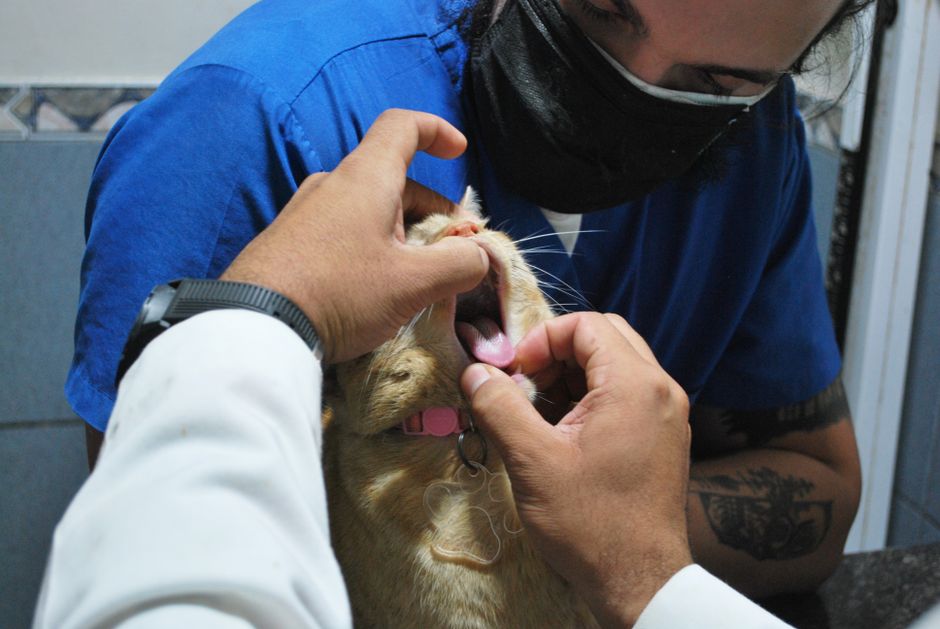
Cats are masters at hiding discomfort, which makes dental pain challenging for even the most attentive owners to spot. However, there are subtle yet telling signs that can signal something is wrong in your cat’s mouth. Common indicators that your cat has dental pain include a sudden reluctance to eat dry food or treats, drooling or dropping food when trying to chew, and pawing at or rubbing the face. You may also notice foul breath, bleeding from the mouth, or visible swelling around the cheeks or jaw. Some cats become withdrawn, hide more often, or show changes in behavior such as irritability or reduced grooming. In severe cases, you might observe weight loss or a noticeable decline in overall energy. Because cats often mask discomfort, these symptoms may appear only when the pain becomes significant.
If you notice any of these warning signs, it is essential to consult a veterinary dental specialist. During a wellness examination, our veterinary professionals can help determine whether dental pain is the source of your cat’s distress and recommend the most effective next steps.
Why Cats Experience Dental Pain: Common Causes
Understanding why your cat has dental pain can help you take proactive measures to prevent future problems. Dental pain in cats often arises from periodontal disease, which is a bacterial infection of the tissues surrounding the teeth. This condition develops over time as plaque and tartar accumulate, leading to gum inflammation, recession, and eventually bone loss. Other frequent culprits include tooth resorption, a condition unique to cats in which the tooth structure gradually breaks down; oral injuries or trauma; fractured teeth from accidents or chewing hard objects; and oral tumors. Chronic conditions such as feline gingivostomatitis, an immune-mediated inflammation of the gums and oral tissues, can cause severe, persistent pain and require specialized intervention.
In addition to these primary causes, certain breeds may be genetically predisposed to dental disease, and underlying health issues such as kidney disease or diabetes can increase the risk of oral problems. Environmental factors, such as a diet lacking in dental care properties or infrequent professional cleanings, can also play a role. Recognizing the underlying cause is critical for creating a targeted treatment plan that addresses not just the symptoms but the root of your cat’s discomfort.
Advanced Veterinary Dental Treatments for Cats
When your cat has dental pain, seeking care from a veterinary dental specialist can make all the difference. At Florida Veterinary Dental Services, our team uses advanced diagnostic imaging—including intraoral radiographs and CT scans—to accurately assess the extent of dental disease or injury. Treatment options are tailored to each cat’s unique needs, ranging from professional dental cleanings to complex surgical procedures.
Professional cleanings under anesthesia allow our veterinary dentists to remove plaque and tartar both above and below the gumline, addressing infection and inflammation that brushing alone cannot reach. In cases where tooth decay or resorption has damaged a tooth beyond repair, complex dental extractions may be necessary to alleviate pain and prevent further complications. For chronic and severe oral pain, as seen in conditions like feline gingivostomatitis, we offer specialized chronic feline gingivostomatitis treatment that might include immunomodulatory therapies or targeted surgical intervention.
Pain management is a cornerstone of our approach, with options for both acute and chronic discomfort. Our oral pain management services include the latest in veterinary analgesics and supportive therapies, ensuring your cat’s comfort throughout the treatment process. For cats with oral tumors or traumatic injuries, our oral and maxillofacial surgery capabilities provide advanced solutions under the care of a board-certified veterinary dentist.
Home Care and Prevention: Supporting Your Cat’s Oral Health
Preventing dental pain in cats starts with a commitment to regular oral care at home and in partnership with your veterinary team. While some cats may tolerate gentle tooth brushing using a feline-safe toothpaste, others may benefit from dental diets or treats designed to reduce plaque. Routine wellness checks with your general veterinarian help catch early signs of dental disease, but periodic referral to a veterinary dental specialist is recommended for cats with persistent oral problems, breed predispositions, or a history of dental pain.
Observing your cat’s eating habits, monitoring for subtle changes in behavior, and maintaining scheduled professional cleanings are some of the best measures you can take. If your cat is prone to dental issues, discuss with your veterinarian whether additional preventive strategies, such as water additives or prescription dental diets, might be beneficial. Remember that over-the-counter products should always be approved for feline use, and any home care regimen should be introduced gradually to keep your cat comfortable and stress-free.
When to Seek Specialized Veterinary Dental Care
Timely intervention is key when your cat has dental pain. If you observe any persistent changes in eating, grooming, or behavior, or if your cat displays visible oral discomfort, do not delay in seeking veterinary assessment. Cats with severe symptoms—such as refusal to eat for more than 24 hours, bleeding from the mouth, or facial swelling—require immediate attention from a veterinary dental specialist.
General veterinarians provide essential care for routine dental maintenance, but referral to a specialty center like Florida Veterinary Dental Services is recommended for complex cases, advanced procedures, or when initial treatments do not resolve the problem. Our veterinary team in Coral Springs collaborates closely with referring veterinarians to ensure your cat receives the highest standard of care, from diagnosis through recovery. Exploring options at a "dental vet near me" can help you find the specialized expertise your cat needs when facing oral pain or disease.
Give Your Cat the Gift of a Healthy, Pain-Free Smile
Dental pain is a serious but treatable issue for cats, and early recognition can make all the difference in your companion’s quality of life. If you suspect your cat has dental pain, trust the experience and compassion of the veterinary professionals at Florida Veterinary Dental Services. Our team in Coral Springs is dedicated to providing advanced diagnostics, gentle pain relief, and long-term solutions for every feline patient.
Whether you are seeking a second opinion, advanced oral surgery, or ongoing management of a chronic condition, we are here to help restore your cat’s comfort and happiness. To schedule a consultation or learn more about our specialized services, call (954) 396-9660 or visit us at 4101 Turtle Creek Drive, Coral Springs, FL 33067. For detailed information on our oral pain management and chronic feline gingivostomatitis treatment, explore our website or speak directly with our veterinary team.
When searching for a dental vet near me, look for a practice with advanced training, specialized equipment, and a commitment to feline wellbeing. Let us help your cat enjoy a healthier, pain-free future—because every cat deserves to smile without discomfort.
This blog is intended for informational purposes only. If your pet is experiencing urgent symptoms, please seek immediate veterinary care. Diagnosis and treatment of dental conditions should always be performed under the guidance of a licensed veterinary professional.