How a Coral Springs Vet Clinic Treats Pet Tooth Fractures

How a Coral Springs Vet Clinic Treats Pet Tooth Fractures
If you have ever noticed your dog or cat suddenly refusing food, pawing at their face, or yelping when chewing on a favorite toy, a fractured tooth might be the culprit. Tooth fractures in pets are surprisingly common, and they can cause significant pain, infection, and long-term oral health issues if left untreated. At Florida Veterinary Dental Services, a specialty referral coral springs vet clinic located at 4101 Turtle Creek Drive, Coral Springs, FL 33067, our board-certified veterinary dental team provides expert diagnosis and advanced treatment options specifically for dogs and cats with broken teeth. In this blog, you’ll learn how to spot signs of dental fractures, why they occur, the advanced care available at our clinic, and when to seek specialized veterinary help for your pet’s comfort and well-being.
Recognizing Tooth Fractures in Dogs and Cats
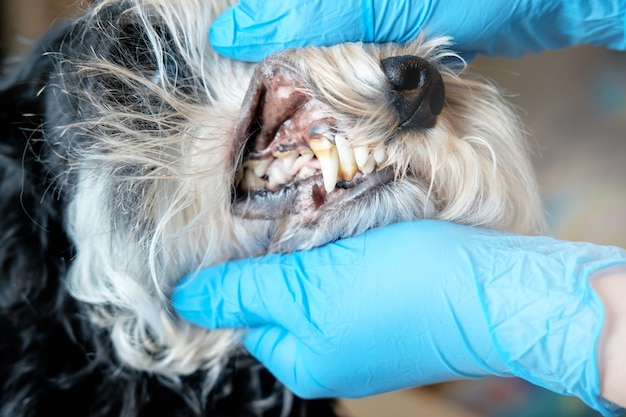
Pets are masters at hiding discomfort, so identifying a tooth fracture in your dog or cat often requires a careful eye. The most common symptoms include sudden reluctance to eat hard food or treats, chewing on just one side of the mouth, excessive drooling, pawing at the face, or visible blood around the mouth. Other signs to watch for are swelling along the jawline, changes in your pet’s breath, and visible chips or cracks in a tooth when your pet yawns or you inspect their mouth. Sometimes, a fractured tooth is discovered during a routine dental cleaning or when a pet presents with more serious signs like facial swelling or draining wounds near the mouth.
Tooth fractures can range from superficial chips to severe breaks exposing the sensitive pulp inside the tooth. The pain associated with exposed nerves or infection can be significant, which is why prompt attention from a veterinary dental specialist is so important. If you suspect your pet may have suffered oral trauma or notice any of these symptoms, scheduling a professional assessment with a coral springs vet clinic focused on dental and oral surgery can provide answers and relief.
Why Do Pet Tooth Fractures Happen?
Understanding the causes of dental fractures in pets can help prevent future injuries and guide your family’s daily routines. In many cases, tooth fractures occur when dogs or cats chew on objects that are too hard for their teeth. Chewing on bones, antlers, rocks, or even hard nylon toys can result in cracks, chips, or full breaks. Accidental trauma, such as being struck in the mouth during play or falling, is another frequent cause of tooth fractures, especially in active or young pets.
Certain breeds and age groups are also at higher risk. For instance, brachycephalic dogs with shorter muzzles may have crowded teeth that are more prone to injury, while older pets with weakened enamel or pre-existing dental disease can suffer fractures more easily. Cats can experience tooth fractures from falls, rough play, or even aggressive grooming, particularly if they already have underlying dental disease.
Because the climate in Coral Springs and South Florida allows for plenty of outdoor activities, local dogs and cats often have ample opportunities to encounter hazards that put their teeth at risk. Being aware of your pet’s activities and the types of objects they chew on can help reduce the likelihood of dental injuries.
How a Coral Springs Vet Clinic Specializing in Dental Care Treats Tooth Fractures
When it comes to treating tooth fractures, the approach depends on the severity, location, and type of fracture. At Florida Veterinary Dental Services, our advanced imaging tools such as intra-oral dental radiology and CT scans allow for precise diagnosis of tooth injuries in both dogs and cats. These technologies let our veterinary dental team assess whether a fracture involves the pulp (the living tissue inside the tooth), determine the risk for infection, and formulate a treatment plan tailored to your pet’s unique needs.
Diagnostic Assessment and Imaging
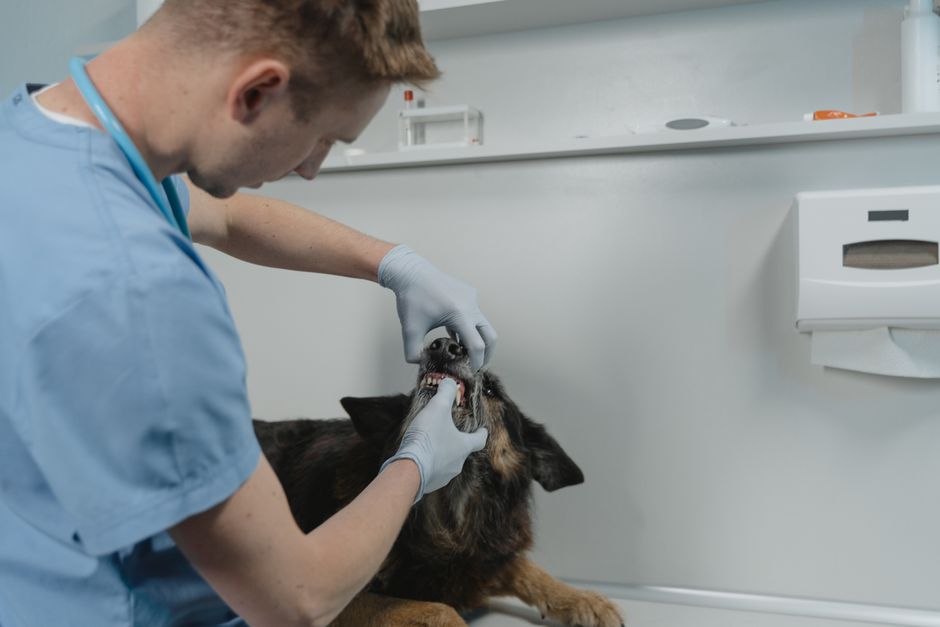
The process begins with a comprehensive oral examination under anesthesia, ensuring your pet is comfortable and still while our team examines each tooth closely. Detailed imaging, such as intra-oral dental radiology, reveals hidden cracks, root involvement, and the presence of infection or bone loss that cannot be seen with the naked eye.
Treatment Options: Saving or Extracting the Tooth
Treatment approaches for fractured teeth in pets include restorative dental procedures, endodontic therapy (such as root canal treatment), or extraction. If the fracture is minor and does not expose the pulp, a tooth restoration or crown may be used to protect the tooth and restore function. Our team offers advanced tooth restorations and crowns for eligible cases, helping maintain your pet’s normal chewing ability.
For fractures that have exposed the pulp but have not yet caused severe infection or bone loss, root canal therapy is often the preferred method. This procedure preserves the natural tooth by removing infected tissue, cleaning the canal, and sealing the tooth to prevent future problems. Root canal therapy can be particularly beneficial for large, functional teeth like canine and carnassial teeth that play a major role in chewing.
In cases where the tooth is too damaged or infection has spread, complex dental extractions become necessary. Our veterinary dental surgeons are highly skilled in performing extractions that minimize trauma to surrounding tissues and promote faster healing. Pain management is always a priority, and we use both local blocks and advanced pain control methods to keep pets comfortable throughout the process.
Managing Pain and Supporting Recovery
Even minor tooth fractures can be painful, so pain management is a critical part of every treatment plan. Our oral pain management services involve the latest medications and techniques to ensure your pet’s recovery is as comfortable as possible. After treatment, your pet will need some rest and may be placed on a soft food diet for a short period while healing occurs. Our veterinary dental team will provide detailed aftercare instructions and follow-up recommendations to monitor progress and minimize the risk of complications.
Preventing Tooth Fractures at Home
While not every pet tooth fracture can be prevented, there are several steps you can take to reduce your dog or cat’s risk. Start by choosing chew toys and treats that are specifically designed to be safe for your pet’s teeth. Avoid giving bones, antlers, rocks, or excessively hard toys that can cause breakage. Supervise playtime and discourage chewing on household objects that may be too tough or dangerous.
Regular oral health checks at home can help you spot early signs of trouble. Gently lifting your pet’s lips and looking for changes in tooth appearance, swelling, or unusual odors can alert you to developing problems. Maintaining your pet’s oral hygiene through daily brushing (with pet-safe toothpaste) and routine professional cleanings also helps keep teeth strong and healthy.
Finally, schedule periodic dental evaluations with your veterinarian, and consider referral to a coral springs vet clinic specializing in advanced dental care for pets with a history of dental issues or persistent oral discomfort.
When to Seek Veterinary Dental Care
Not all tooth fractures are emergencies, but every fracture deserves professional evaluation. You should seek veterinary dental care promptly if you notice your pet suddenly stops eating, drools excessively, cries out when chewing, or if you observe bleeding, swelling, or a visibly broken tooth. Even if your pet seems unfazed, exposed pulp or infection can develop and cause significant pain or complications over time.
If your regular veterinarian identifies a tooth fracture during an exam, they may recommend referral to a specialty clinic like Florida Veterinary Dental Services for advanced imaging, restorative procedures, or surgical intervention. Our veterinary dental specialists are experienced in managing complex dental injuries and can offer options not typically available in general practice settings.
For immediate concerns or severe oral trauma, our specialty team provides emergency care to address acute pain, bleeding, or infection. Acting quickly can make a significant difference in your pet’s comfort and long-term oral health, so never hesitate to reach out if you have concerns about your dog or cat’s teeth.
Your Partner in Pet Dental Health in Coral Springs
Tooth fractures can be distressing for both pets and their families, but with timely intervention and expert care, most pets can return to pain-free eating and play. At Florida Veterinary Dental Services, our commitment to advanced diagnostics, compassionate pain management, and cutting-edge treatment options ensures that your pet receives the highest level of dental care available in Coral Springs and surrounding communities. Whether your dog has cracked a tooth on a hard toy or your cat is struggling with a fractured canine, our team of veterinary dental professionals is here to help.
If you are searching for a dental specialty vet near me, or if your primary veterinarian has recommended advanced dental care, contact us for expert evaluation and treatment. To learn more about our approach to fractured teeth in pets, or to schedule a consultation, call (954) 396-9660. You can also explore our fractured teeth treatment services for more information about how we support dogs and cats with dental injuries.
At Florida Veterinary Dental Services, we understand how much your pets mean to you. Trust our coral springs vet clinic for the advanced dental and oral surgery care your pet deserves—because every pet deserves a healthy, pain-free smile.