How a Coral Springs Vet Clinic Treats Pet Oral Tumors


How a Coral Springs Vet Clinic Treats Pet Oral Tumors
Worried about a strange bump or swelling you’ve noticed in your pet’s mouth? As a pet owner, it’s natural to feel concerned when you see anything unusual, especially in an area as sensitive as the mouth. Oral tumors in pets can be alarming, but prompt, specialized care can make all the difference in their comfort and long-term health. At Florida Veterinary Dental Services, a leading coral springs vet clinic, our veterinary dental specialists are dedicated to diagnosing and treating oral tumors in dogs and cats using advanced imaging and surgical techniques. Conveniently located at 4101 Turtle Creek Drive, Coral Springs, FL 33067, we serve Coral Springs and the surrounding communities with compassionate, referral-based specialty dental care. In this blog, you’ll learn how to recognize the signs of oral tumors, understand why they develop, explore the latest treatment options, and know when to seek veterinary expertise for your pet’s best chance at a positive outcome. If you’re looking for thorough, expert guidance from a coral springs vet clinic, you’re in the right place.
Recognizing Oral Tumors in Pets: Early Signs and Symptoms
One of the most important steps in caring for your pet’s oral health is knowing how to spot potential problems early. Oral tumors in pets can appear in a variety of ways, sometimes mimicking less serious conditions. Key symptoms include persistent swelling or lumps in the gums, lips, or roof of the mouth; bleeding from the mouth that is not related to obvious trauma; bad breath that does not improve with routine dental care; difficulty chewing or eating; and unexplained weight loss. Additionally, some pets may drool excessively, paw at their mouths, or show signs of oral pain like reluctance to play with toys or decreased interest in food.
Owners sometimes notice changes during brushing or while giving treats, such as a mass, ulcer, or an area that looks different from the surrounding tissue. Other signs are loose teeth, especially in younger pets or those with healthy gums otherwise, and changes in the way your pet chews. If your pet’s face appears swollen or their jaw seems painful when touched, these may also indicate a deeper issue. If you observe any of these symptoms, it’s important to contact your veterinarian for a thorough oral examination. For comprehensive pet dental assessments, a wellness examination by a veterinary dental specialist can help catch problems early and guide the next steps.
Understanding Causes of Oral Tumors in Dogs and Cats
Oral tumors in pets can develop for several reasons, and while the exact cause is not always clear, a combination of genetic, environmental, and lifestyle factors may be involved. In both dogs and cats, oral tumors can be benign (non-cancerous) or malignant (cancerous). Common malignant oral tumors in dogs include melanoma, squamous cell carcinoma, and fibrosarcoma, while cats most frequently develop squamous cell carcinoma.
Risk factors that may contribute to the development of oral tumors include age, with older pets more commonly affected, as well as certain breeds being predisposed to specific tumor types. Exposure to secondhand smoke, chronic inflammation of the mouth, and viral infections like feline leukemia virus (FeLV) in cats have also been linked to tumor development. Additionally, poor dental hygiene and the presence of advanced periodontal disease can create an environment where abnormal tissue growth is more likely.
It’s important to know that not all oral growths are cancerous; some may be benign masses such as epulides or papillomas, which still require evaluation and, in some cases, removal. However, because visual appearance alone cannot reliably distinguish between benign and malignant growths, prompt and thorough diagnostic work is essential.
Advanced Diagnosis and Treatment at a Coral Springs Vet Clinic
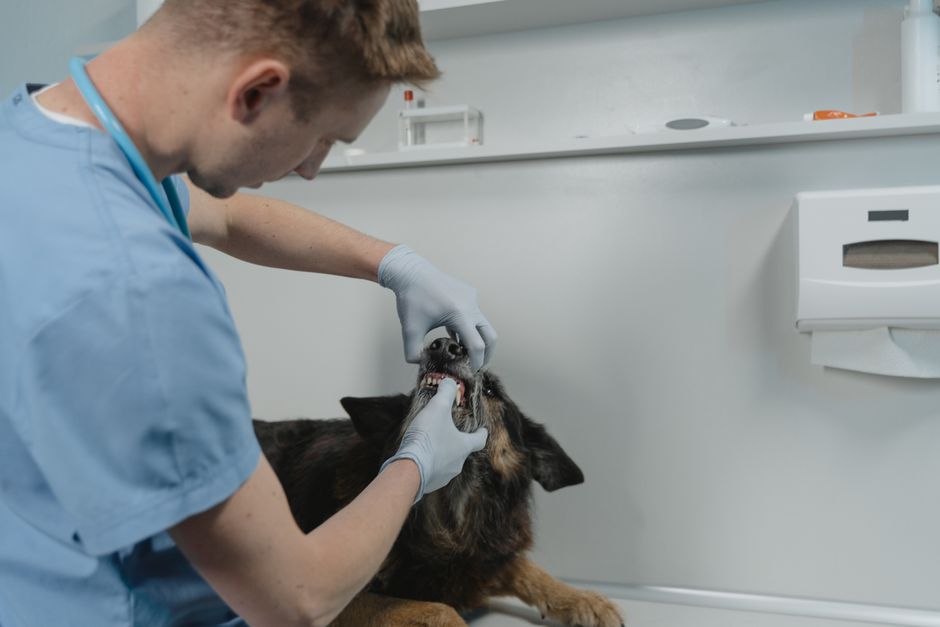
When your pet is referred to a coral springs vet clinic like Florida Veterinary Dental Services for an oral mass, our veterinary dental professionals follow a detailed, stepwise approach to ensure the most accurate diagnosis and customized treatment. The process typically begins with a comprehensive oral examination, often under anesthesia to allow for a pain-free and thorough assessment. During this time, our team may use intra-oral dental radiology to obtain detailed X-ray images of your pet’s teeth, jaw, and surrounding tissues. This imaging helps determine the extent of the tumor, its relationship to vital structures, and whether the bone is affected.
In many cases, additional advanced imaging such as CT scans or fluoroscopy may be performed on-site to provide three-dimensional views of the tumor and plan the most effective surgical approach. Obtaining a biopsy is a critical step; a small sample of the tumor is taken and sent to a specialized laboratory for histopathology, which identifies the type of tumor and guides treatment planning.
Treatment options for oral tumors involve several approaches, depending on the tumor’s size, location, and type. Surgical removal is often the cornerstone of therapy, and our veterinary dental surgeons are highly skilled in performing oral and facial tumor surgery tailored to your pet’s specific needs. For malignant tumors, oral oncology surgery may be necessary to achieve clean margins and minimize the risk of recurrence. Some tumors may require reconstructive procedures to restore function and comfort following removal. In select cases, adjunctive therapies such as cryotherapy, laser ablation, or referral for chemotherapy or radiation (in partnership with veterinary oncologists) may be recommended. Our focus is always on maximizing your pet’s quality of life and minimizing pain throughout the process.
After surgery, pain management and supportive care are paramount. Our veterinary dental professionals design a personalized post-operative plan that may include medications, wound care, dietary modifications, and scheduled follow-up visits to monitor healing and detect any early signs of recurrence.
At-Home Care and Prevention: Supporting Your Pet’s Oral Health
While not all oral tumors can be prevented, maintaining excellent oral hygiene and monitoring your pet’s mouth regularly can lead to earlier detection and better outcomes. Steps you can take at home include brushing your pet’s teeth as recommended by your veterinarian, using dental chews or rinses as appropriate, and routinely checking for any changes in your pet’s mouth during grooming or playtime. If your pet has a history of dental disease or is a breed predisposed to oral tumors, more frequent dental check-ups may be advised.
Scheduling regular professional dental cleanings with your family veterinarian or, when needed, a veterinary dental specialist ensures that any abnormalities are identified and addressed early. Additionally, minimizing exposure to known risk factors, such as secondhand smoke and chronic oral inflammation, plays a role in prevention. For guidance on maintaining your pet’s dental health at home, our pet owner guide offers practical tips and resources.
When to Seek Expert Veterinary Dental Care
Deciding when to seek professional help can feel overwhelming, especially if you’re unsure how serious a lump or sore in your pet’s mouth might be. You should promptly consult your general veterinarian if you notice persistent swelling, bleeding, bad breath, difficulty eating, or any new growth in your pet’s mouth that does not resolve within a week. If your veterinarian identifies a suspicious lesion, they may recommend a referral to a specialty coral springs vet clinic like Florida Veterinary Dental Services for advanced evaluation and treatment.
Immediate veterinary attention is critical if your pet is unable to eat or drink, is experiencing severe pain, or if an oral mass is causing difficulty breathing or swallowing. Our clinic is equipped to provide emergency care for urgent dental and oral conditions, ensuring your pet receives the highest level of care when it matters most. Remember that early intervention often leads to better outcomes and less invasive treatments, so do not wait to seek help if you have concerns.
Compassionate, Specialized Care for Oral Tumors in Coral Springs
Your pet’s comfort, health, and happiness are our highest priorities. Oral tumors can be challenging, but with today’s advanced diagnostics and surgical techniques, many pets go on to enjoy excellent quality of life after treatment. At Florida Veterinary Dental Services, our team of veterinary dental specialists is honored to be the trusted referral destination for oral tumor care in Coral Springs and surrounding communities. If you’re searching for a dental specialty vet near me or want to discuss your pet’s unique needs, please reach out to us for expert guidance and support.
If you have noticed a suspicious growth or persistent oral issue, do not hesitate to schedule a consultation at our Coral Springs location. Our compassionate team will help you understand your options and develop a personalized treatment plan tailored to your pet. You can also learn more about our advanced oral and facial tumor surgery and oral oncology surgery services online. For more information or to arrange a referral, call us at (954) 396-9660. When it comes to your pet’s oral health, trust the experience and dedication of a coral springs vet clinic that puts your companion’s wellbeing first.
This blog is intended for informational purposes only and should not replace a veterinary examination. Always consult your veterinarian or a veterinary dental specialist for personalized advice and treatment recommendations. For further reading on pet oral tumors and dental care, visit the American Veterinary Dental College at avdc.org.