Spring Pet Dental Emergencies: What Coral Springs Owners Should Know


Spring Pet Dental Emergencies: What Coral Springs Owners Should Know
As spring arrives in Coral Springs, many pet owners find themselves spending more time outside with their dogs and cats. Whether it is hiking through the parks, playing in the backyard, or simply enjoying the sunshine, the increased activity can expose pets to unique dental risks. Fractured teeth, oral injuries, and sudden oral pain can happen in an instant, turning a fun day out into a stressful emergency. At Florida Veterinary Dental Services, located at 4101 Turtle Creek Drive, Coral Springs, FL 33067, our board-certified veterinary dental and oral surgery team is dedicated to providing advanced, compassionate care for pets facing dental emergencies.
In this guide, we will help you recognize the signs of a dental emergency in your dog or cat, explain why these issues are more common in spring, outline what to expect from specialized dental treatment, and offer advice on preventing injuries during the season. We will also clarify when it is time to seek immediate veterinary dental care—and why seeing a specialty dental vet is the best step for complex cases. If you need urgent expertise for oral trauma or dental emergencies, our team can help you and your pet get back to enjoying the season safely.
Recognizing a Spring Pet Dental Emergency
Spring brings a burst of outdoor energy, but it also means new hazards for your pet’s teeth and mouth. Knowing when your dog or cat is experiencing a dental emergency can make all the difference in their comfort and long-term health.
Common Signs of Dental Emergencies
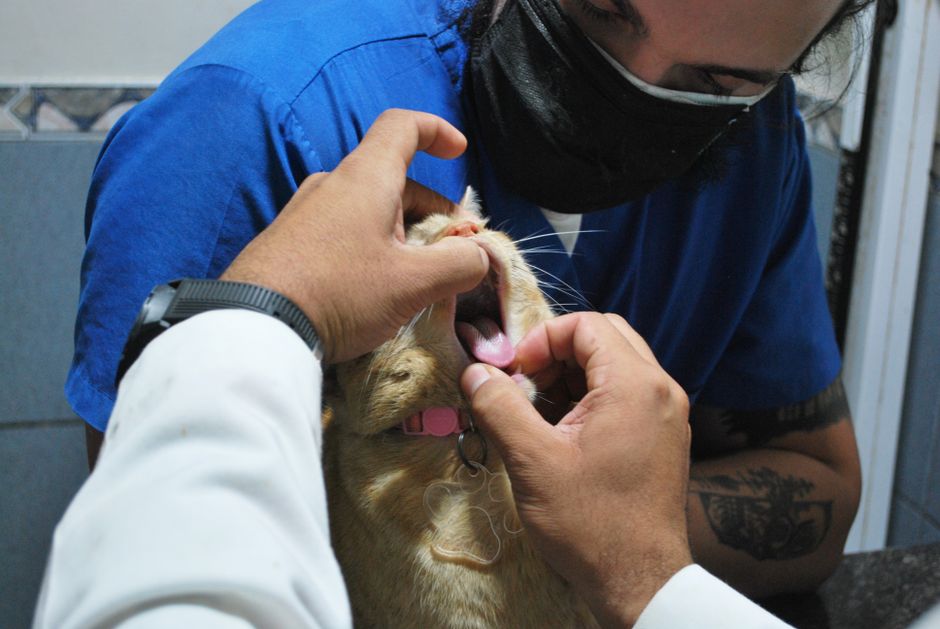
Warning signs of a dental emergency often include sudden changes in eating habits, such as dropping food, refusing to eat hard kibble, or chewing only on one side of the mouth. You might notice blood coming from the mouth, excessive drooling, or swelling around the jaw or face. Other symptoms include pawing at the mouth, vocalizing when eating, or a sudden foul odor from the mouth that was not present before. In some cases, a visible broken tooth, tooth displacement, or an obvious wound inside the mouth or on the face signals immediate concern.
Subtle Changes to Watch For
Not all dental emergencies are dramatic. Sometimes, pets show subtle changes in behavior such as hiding, acting withdrawn, or seeming unusually irritable. Cats, in particular, may be adept at hiding oral pain. If your pet refuses their favorite chew toy or suddenly avoids play, it may point to discomfort caused by a fractured tooth or oral soft tissue injury.
Why Dental Emergencies Are More Common in Spring
With the beautiful weather in Coral Springs and surrounding communities, pets are more likely to explore, chew on interesting objects, or become involved in rough play. This seasonal change can increase the risk of dental injuries.
Environmental Factors in Spring
Chewing on sticks or hard objects found during walks can lead to fractured teeth, especially in dogs that love to fetch or chew. Accidents during play, such as collisions or falls, may result in oral or facial trauma. Cats that venture outdoors are at risk for jaw injuries from falls or fights. Additionally, pets may be exposed to yardwork debris, garden stones, or other sharp objects that can cause oral lacerations or tooth luxation.
Underlying Dental Health
Pets with pre-existing dental disease are especially vulnerable during periods of increased activity. Weakened teeth or gums are more prone to breaking or bleeding, and undiagnosed dental problems can become emergencies when exposed to new stresses. Regular dental assessments can help identify at-risk pets before springtime adventures begin.
Advanced Treatment and Management at a Veterinary Dental Specialty Center
When a dental emergency happens, prompt and expert treatment is crucial for pain relief, infection prevention, and preserving the function of your pet’s mouth. At Florida Veterinary Dental Services, our board-certified veterinary dental professionals use state-of-the-art imaging and surgical techniques to address a full spectrum of oral emergencies.
Diagnostic Excellence for Fast Answers
Our center offers on-site CT scans and intra-oral dental radiology, which allow us to accurately assess the extent of oral injuries and plan precise treatment. For example, a fractured tooth may require advanced imaging to determine if the pulp is exposed or if the break involves the root, which can affect the recommended therapy. We also provide comprehensive laboratory diagnostics to detect infection or underlying health concerns that may influence your pet’s recovery.
Specialized Treatment Approaches
Treatment options for dental emergencies depend on the type and severity of the injury. For fractured teeth, our team may recommend restorative procedures such as root canal therapy or crown placement, which can save the tooth and restore normal function. In cases of severe breaks, complex extractions may be necessary, always performed with advanced pain management techniques to ensure your pet’s comfort.
Oral trauma, such as lacerations or puncture wounds, is managed with meticulous surgical repair and infection control. Soft tissue injuries are approached with careful suturing and, when appropriate, the use of dental cryotherapy or laser therapy to promote healing. If your pet has suffered a jaw or facial fracture, our veterinary dental surgeons use specialized maxillofacial techniques to stabilize the bone and restore alignment, often with the help of on-site fluoroscopy for real-time imaging. You can read more about our approach to jaw and facial fractures for detailed information.
Pain management is always a priority. Our veterinary team customizes pain control strategies for each case, which may involve local anesthesia, nerve blocks, and systemic medications chosen for safety and efficacy. For more information about how we address discomfort, visit our page on oral pain management.
Why Specialty Dental Care Matters
General veterinary practices provide essential first aid, but complicated dental emergencies often benefit from the advanced skills and equipment found at a specialty center like ours. We work closely with referring veterinarians to ensure every pet receives the most effective, least invasive treatment possible. Our expertise in oral and maxillofacial surgery allows us to manage cases that require delicate handling, intricate repairs, or advanced imaging for a comprehensive diagnosis.
Prevention and Home Care: Keeping Your Pet Safe This Spring
While not all accidents can be avoided, there are practical steps you can take to reduce your pet’s risk of dental emergencies during the springtime.
Supervise Outdoor Play
Monitor your pet’s activities when outdoors. Remove sticks, rocks, and other hard objects from play areas, and avoid games that encourage aggressive chewing on unsafe items. If your dog is a dedicated chewer, provide sturdy, vet-approved toys that are less likely to cause fractures.
Maintain Routine Dental Health
Schedule regular dental checkups with your general veterinarian to identify early signs of dental disease. Brushing your pet’s teeth at home using pet-safe toothpaste can help maintain gum health and reduce the risk of infection if an injury does occur. For pets with a history of dental problems, ask your veterinarian about referral to a dental specialist for preventive evaluation.
Respond Promptly to Minor Injuries
If you notice a chipped tooth, minor bleeding, or signs of oral discomfort, seek veterinary advice as soon as possible. Even small injuries can escalate quickly, especially if bacteria enter the wound. Early intervention often means simpler, less invasive treatment.
When to Seek Veterinary Dental Care: Knowing When It’s Urgent
Some oral injuries require immediate attention from a veterinary dental specialist. Knowing when to act can spare your pet unnecessary pain and prevent long-term complications.
Red Flags for Immediate Care
Seek urgent veterinary dental care if your pet is unable to eat or drink, is bleeding uncontrollably from the mouth, has a visibly broken or displaced tooth, or suffers from facial swelling that develops rapidly. Other emergencies include suspected jaw fractures, severe oral lacerations, or any situation where your pet is in obvious distress.
If your regular veterinarian identifies a complex dental problem or oral injury, ask for a referral to a board-certified veterinary dental specialist. Specialty centers like Florida Veterinary Dental Services are equipped to provide advanced diagnostics and surgical intervention when general practice options are insufficient.
For more information about what constitutes a true dental emergency and the specialized services we provide, visit our emergency care page.
The Importance of Quick Action
Delaying treatment for dental injuries can result in infection, chronic pain, or even permanent loss of function. Prompt evaluation by a veterinary dental expert ensures the best outcome for your pet, especially when specialized interventions like root canal therapy, surgical repair, or pain management are required.
Trust Florida Veterinary Dental Services for Spring Dental Emergencies
Spring in Coral Springs is a wonderful time to enjoy life with your pet, but accidents and injuries can happen despite your best efforts. By knowing the signs of a dental emergency, understanding the unique springtime risks, and acting quickly when problems arise, you can help safeguard your pet’s oral health.
If you ever find yourself searching for a "veterinary dental specialist vet near me" after an unexpected injury, know that our experienced team at Florida Veterinary Dental Services is here to provide the specialized care your pet deserves. We collaborate with your primary care veterinarian and offer advanced diagnostics, surgical expertise, and compassionate support when you need it most.
If you suspect your dog or cat has suffered a dental emergency, do not wait. Contact our veterinary dental professionals at (954) 396-9660 or visit us at 4101 Turtle Creek Drive, Coral Springs, FL 33067 for prompt, expert evaluation. For more details on our dental emergency services, you can also explore our emergency care page.
Your pet’s comfort and well-being are our highest priorities, and we are honored to be your trusted partner in specialized dental care throughout Coral Springs and the surrounding communities. If you have questions or need guidance about your pet’s oral health this spring, reach out to us for support and expert answers.
This blog is intended for informational purposes only and should not be used as a substitute for professional veterinary advice. If your pet is experiencing a dental emergency, please seek immediate care from a qualified veterinary professional.