Recognizing Signs of Oral Cancer in Coral Springs Pets

Recognizing Signs of Oral Cancer in Coral Springs Pets
Oral health is a crucial part of your pet’s overall wellbeing, yet it’s often overlooked until a serious problem appears. For pet owners in Coral Springs and surrounding communities, noticing a lump, swelling, or unusual odor in your dog or cat’s mouth can be alarming. At Florida Veterinary Dental Services, located at 4101 Turtle Creek Drive, Coral Springs, FL 33067, our veterinary dental specialists understand how distressing it can be to suspect oral cancer in a beloved companion. This blog will help you recognize early signs of oral cancer in pets, explore why these conditions develop, and guide you through the advanced diagnostics, imaging, and surgical solutions available right here in Coral Springs.
We’ll discuss common symptoms to watch for, explain what causes oral tumors in dogs and cats, detail the specialty treatment options our veterinary team provides, and offer guidance on when to seek expert veterinary dental care. If you’re worried about a change in your pet’s mouth, or your family veterinarian has referred you for advanced assessment, you’ll find practical information and reassurance in the sections below. Our goal is to help you act quickly and confidently, ensuring the best possible outcome for your pet when oral cancer is a concern.
Early Signs of Oral Cancer in Pets: What to Watch For
Oral cancer in dogs and cats can be subtle at first, which is why early detection is vital. Pets are experts at hiding discomfort, so by the time visible symptoms appear, the disease may already be advanced. Key signs to monitor include persistent bad breath that doesn’t improve with routine dental care, swelling on the face or inside the mouth, and the presence of lumps, bumps, or sores that do not heal over time. Other warning signs include bleeding from the mouth, difficulty chewing or swallowing food, sudden drooling, or dropping food while eating. You might also notice your pet pawing at their face, showing reluctance to play with toys, or displaying behavioral changes such as irritability due to pain.
Another important indicator is tooth loss without a clear cause. While dental disease can certainly lead to loose teeth, unexplained tooth mobility, especially in younger pets or those with otherwise healthy mouths, can signal an underlying tumor eroding the bone. Oral tumors may also cause visible changes in the appearance of the gums, palate, or tongue, such as discoloration, ulceration, or the development of unusual growths. If you notice any combination of these symptoms, especially if they persist for more than a week, it’s time to seek a comprehensive oral evaluation.
Our veterinary dental team uses specialized techniques to distinguish between benign oral growths and more serious conditions. We recommend scheduling a wellness examination as soon as possible if you observe any new or persistent changes in your pet’s mouth. Early intervention offers the best chance for successful treatment and recovery.
How Symptoms May Vary in Dogs and Cats
While the signs of oral cancer are similar across species, dogs and cats may display symptoms differently. Dogs are more likely to develop visible masses along their gums or jawline, while cats may show subtle changes such as drooling, weight loss, or decreased grooming. Because cats are particularly skilled at masking pain, any change in eating habits or mouth odor should prompt closer inspection and a veterinary visit. If you have concerns about your dog or cat’s oral health, our team is here to help you navigate the next steps.
Understanding Why Oral Tumors Develop in Pets
The causes of oral cancer in pets are not always clear, but several factors can increase the risk. Genetics play a role; some breeds are predisposed to certain types of oral tumors. For example, boxers and cocker spaniels may be more susceptible to gum cancers, while cats with chronic inflammation in the mouth, such as those suffering from feline gingivostomatitis, face heightened risk for oral malignancies. Environmental influences, including exposure to tobacco smoke or certain chemicals, have also been linked to increased cancer rates in pets.
Chronic dental disease can contribute to the development of abnormal growths in the mouth. Persistent infection and inflammation create an environment where cellular changes may occur, sometimes leading to tumor formation. Age is another factor; while oral cancer can be diagnosed in pets of any age, it is more commonly seen in middle-aged and senior animals.
It’s important to note that not all oral lumps are cancerous. Benign tumors, cysts, or inflammatory lesions can mimic malignant cancers, which is why expert diagnostic evaluation is so important. At Florida Veterinary Dental Services, we combine advanced imaging, such as intra-oral dental radiology, with a detailed oral examination to accurately identify the nature of any mass or abnormality.
Common Types of Oral Cancer in Pets
Several types of oral cancer affect dogs and cats. The most common malignant oral tumors in dogs include melanoma, squamous cell carcinoma, and fibrosarcoma. In cats, squamous cell carcinoma is the most frequently diagnosed oral cancer, often presenting as a sore or swelling on the gums or under the tongue. Each cancer type has a unique behavior, growth rate, and treatment approach, underscoring the need for a specialized veterinary dental evaluation whenever oral cancer is suspected.
How Veterinary Dental Specialists Diagnose and Treat Oral Tumors
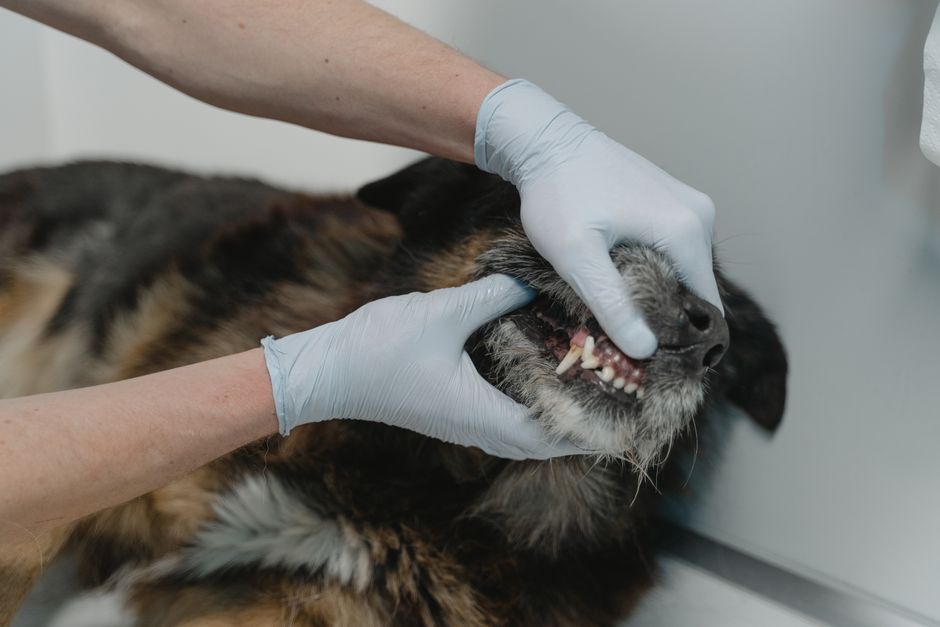
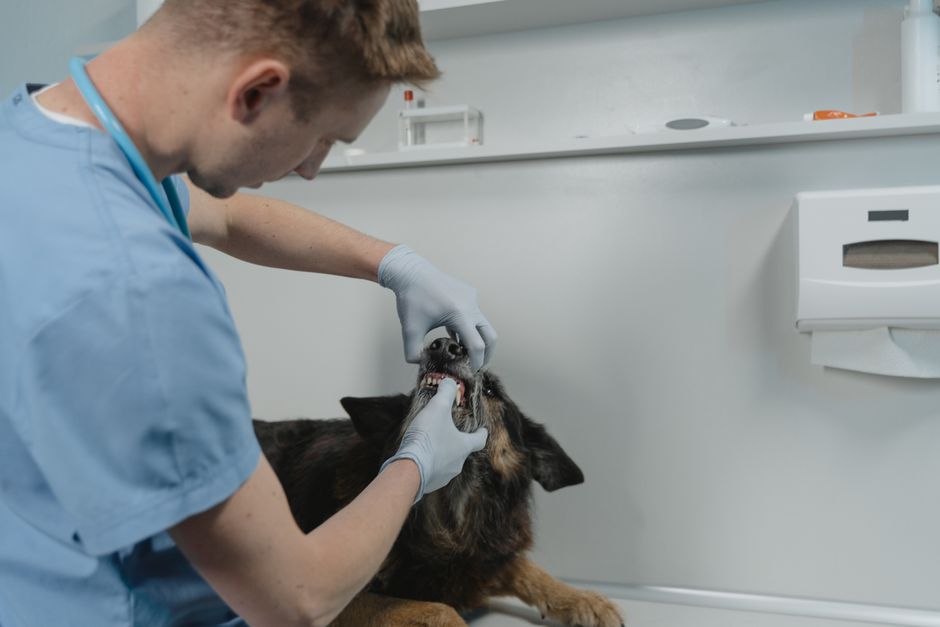
At our Coral Springs specialty center, we use a comprehensive, stepwise approach to diagnosing and treating oral cancer in pets. The process begins with a thorough oral examination under anesthesia, allowing our veterinary professionals to visualize every area of the mouth and collect tissue samples for biopsy. Advanced imaging, including dental radiography and on-site CT scanning, helps us evaluate the extent of the tumor, involvement of underlying bone, and potential spread to nearby tissues. These diagnostics are essential for developing an individualized treatment plan that maximizes your pet’s comfort and quality of life.
Treatment options for oral cancer in pets vary depending on the type, location, and stage of the tumor. Surgery is often the primary treatment for most oral tumors, aiming to remove the cancerous tissue with clear margins while preserving as much healthy tissue and function as possible. Our oral and facial tumor surgery services are designed to address complex and challenging cases, using advanced techniques to achieve optimal outcomes. For certain cancers, specialized oral oncology surgery may be recommended, sometimes in conjunction with adjunctive therapies such as radiation or chemotherapy provided by collaborative referral partners.
Pain management is a cornerstone of our approach. Our veterinary team employs state-of-the-art pain control strategies before, during, and after surgery to ensure your pet’s comfort. Restorative dental procedures may be needed to repair function or appearance following tumor removal, and ongoing monitoring is essential to detect recurrence or manage long-term effects.
What to Expect During Your Pet’s Treatment Journey
When your pet is referred to our specialty center, we’ll guide you through each step, from initial diagnostics and imaging to treatment planning and surgical intervention. Our team will explain the findings in detail, answer your questions, and provide ongoing support during your pet’s recovery. Postoperative care may include medications, nutritional guidance, and scheduled rechecks to monitor healing and detect any signs of recurrence early.
We recognize that a diagnosis of oral cancer can be overwhelming. Our commitment is to deliver compassionate, expert care tailored to your pet’s unique situation, using the latest advances in veterinary dentistry and oral surgery.
Home Care and Prevention: Supporting Your Pet’s Oral Health
While not all cases of oral cancer can be prevented, proactive oral care at home and regular veterinary dental check-ups can reduce risk and support early detection. Steps you can take include brushing your pet’s teeth with a veterinarian-approved toothpaste, offering safe chew toys to promote gum health, and providing a diet that supports oral wellness. Regularly inspecting your pet’s mouth for changes—such as sores, swelling, or bleeding—can help you spot problems before they become severe.
Routine wellness visits with your family veterinarian, followed by referral to a veterinary dental specialist when indicated, are integral to maintaining your pet’s oral health. Early intervention is especially important for pets with a history of dental disease, chronic inflammation, or breed predispositions. If your pet has undergone oral tumor treatment, diligent home monitoring and follow-up visits are vital for long-term health.
Tips for Monitoring Your Pet Between Veterinary Visits
Pay attention to your pet’s eating habits, energy levels, and interest in play. A sudden reluctance to chew, drop in appetite, or signs of discomfort when touching the face should never be ignored. Keeping a diary of any changes you observe can be helpful when discussing your concerns with our veterinary team.
When to Seek Veterinary Dental Care for Oral Cancer Concerns
If you notice any of the warning signs described earlier—persistent mouth odor, swelling, bleeding, difficulty eating, or unexplained lumps—schedule a veterinary evaluation promptly. Early diagnosis and intervention can make a significant difference in treatment success and your pet’s quality of life. Pets who have been previously treated for oral tumors should be seen immediately if new symptoms develop.
General practitioners often refer patients to Florida Veterinary Dental Services when specialized diagnostics, advanced imaging, or oral surgery are needed. If your veterinarian recommends a referral, or if you would like a second opinion on an oral mass, our team is ready to assist. We encourage you not to wait if you have concerns; prompt attention allows for the best range of treatment options.
Take Action for Your Pet’s Oral Health in Coral Springs
Your vigilance and quick response are key to protecting your pet from the dangers of oral cancer. If you’re searching for a specialty dental vet near me, Florida Veterinary Dental Services is here to provide the advanced care your pet deserves. Our board-certified veterinary dental professionals use the latest technology and compassionate expertise to diagnose and treat oral tumors, supporting pets and their families throughout Coral Springs and neighboring communities.
If you have noticed any unusual symptoms in your pet’s mouth, or you’ve been referred for further evaluation, do not hesitate to contact us. Schedule a consultation by calling (954) 396-9660, or visit our Coral Springs location for expert specialty care. For additional information about our oral and facial tumor surgery or comprehensive wellness examinations, our veterinary dental team is ready to answer your questions and support you every step of the way.
Your pet’s health and comfort are our top priorities. By recognizing the signs of oral cancer early and seeking specialized care, you give your companion the best chance at a happy, healthy future. For more resources on oral cancer in pets, consider visiting the American Veterinary Dental College at AVDC.org. If you’re ever unsure or need immediate help, our Coral Springs specialty veterinary dental team is just a call away.