Do Puppies Lose Teeth? Dental Milestones Explained


Do Puppies Lose Teeth? Dental Milestones Explained
Curious about your puppy’s changing smile and wondering, “do puppies lose teeth”? If you’ve noticed tiny teeth on the floor or your puppy’s breath seems different lately, you are not alone. The journey from baby teeth to a healthy adult mouth is a fascinating and sometimes messy part of puppyhood. At Florida Veterinary Dental Services, located at 4101 Turtle Creek Drive, Coral Springs, FL 33067, our specialty dental team is dedicated to helping pet owners in Coral Springs and surrounding communities understand the dental milestones that set a foundation for lifelong oral health. In this blog, we will guide you through the timeline of puppy tooth loss, explain what to expect, share signs that may indicate normal or abnormal development, and help you recognize when it’s time to seek expert veterinary dental care. As a referral-based specialist center, we collaborate closely with general veterinarians to offer advanced interventions when a puppy’s dental development needs extra support.
Recognizing Teething: When Do Puppies Lose Teeth?
The question “do puppies lose teeth” is one of the most common concerns for new dog owners. Puppies, much like human children, go through a teething process. This starts when they are just a few weeks old and continues until they have a full set of adult teeth. Understanding what is normal can help you support your puppy and spot any issues early.
Puppies are born without teeth, but by three weeks of age, their baby teeth (also known as deciduous teeth) begin to erupt. Most puppies have a full set of 28 baby teeth by six to eight weeks. Around three to four months old, these sharp little teeth start to fall out to make way for 42 permanent adult teeth. You may notice small teeth on the floor, in your puppy’s bedding, or even in their food bowl. Other times, the baby teeth are swallowed during meals, which is completely normal.
Common signs of teething include increased chewing, drooling, and sometimes mild discomfort. Puppies might nibble on toys, furniture, or even your hands as their gums feel sore. Occasionally, you might notice a small amount of blood on chew toys, which usually results from a loose tooth. If your puppy is reluctant to eat, seems unusually irritable, or shows signs of pain that do not resolve, it may be time to consult your general veterinarian or a dental specialist for guidance.
Why Do Puppies Lose Teeth? The Science Behind Puppy Teething
Understanding why puppies lose teeth starts with the basics of dental development. Baby teeth are designed to be temporary, providing the right size and shape for a puppy’s young mouth. As your puppy grows, these teeth are gradually replaced by larger, stronger adult teeth—better suited for chewing solid food and supporting jaw development.
The teething process is driven by the eruption of adult teeth beneath the gums. As these permanent teeth grow, they put pressure on the roots of the baby teeth, causing them to loosen and eventually fall out. In most cases, this transition happens naturally and smoothly. However, in some puppies, the baby teeth do not fall out as expected. This is known as “persistent deciduous teeth” and can lead to problems such as overcrowding, bite misalignment, and an increased risk of dental disease.
Genetics, breed, and the size of your puppy can all influence the timing and speed of tooth loss. Smaller breeds are more prone to retained baby teeth, while larger breeds tend to lose their baby teeth earlier and more efficiently. Certain breeds may also be predisposed to bite alignment issues that require specialized care. If you have questions about the timing or pattern of your puppy’s tooth loss, a wellness examination with a veterinary dental specialist can offer valuable insights.
Advanced Dental Care for Puppies: When Specialized Treatment is Needed
Most puppies breeze through teething with little more than a few chewed-up shoes. However, there are situations where professional intervention from a dental specialist is crucial. At Florida Veterinary Dental Services in Coral Springs, our veterinary dental professionals see a variety of puppy dental cases referred from general practitioners in the region.
Persistent deciduous teeth, as mentioned earlier, are a common reason for referral. When baby teeth do not fall out on schedule, they can cause adult teeth to erupt in the wrong position or become crowded. This can lead to malocclusion, which is a misalignment of the teeth or jaws. Signs of malocclusion include an irregular bite, difficulty closing the mouth fully, or teeth that press into the gums or palate. Our team offers oral malocclusion management, providing tailored solutions such as selective baby tooth extraction or orthodontic appliances for certain cases.
Other issues that may require specialized care include fractured teeth, which can occur if a puppy chews on very hard objects during teething. These fractures may expose the sensitive pulp of the tooth, causing pain and risk of infection. The care and treatment for broken teeth is another area where our specialty team excels, offering advanced procedures to restore oral health and comfort.
Occasionally, a puppy might develop oral cysts, abnormal growths, or extra teeth (supernumerary teeth). These conditions can interfere with normal jaw development and often require advanced imaging or surgical intervention to address. We also provide diagnostic imaging, such as dental radiographs and CT scans, to evaluate complex cases and plan precise treatments.
Supporting Your Puppy’s Dental Health at Home
While much of puppy teething is a natural process, there are several ways you can support your pet’s oral health at home. Providing safe, appropriate chew toys can help soothe sore gums and reduce the temptation to chew on household items. Look for toys designed specifically for teething puppies; these are usually softer and gentler on delicate gums.
Maintaining good oral hygiene is important even while your puppy is teething. Begin gently brushing your puppy’s teeth with a pet-safe toothbrush and toothpaste as soon as their baby teeth come in. This helps get your puppy accustomed to dental care routines, making future cleanings and exams less stressful.
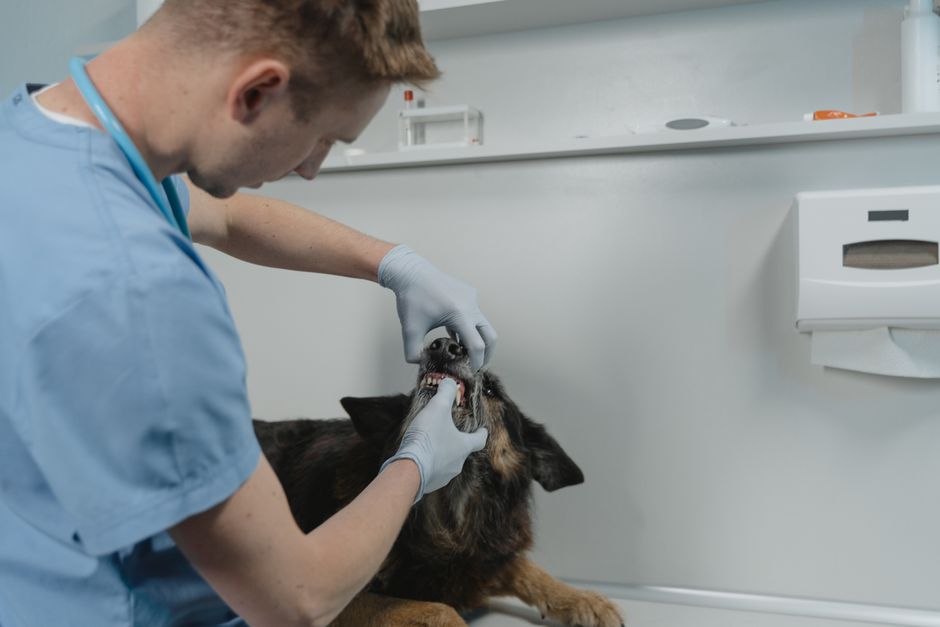
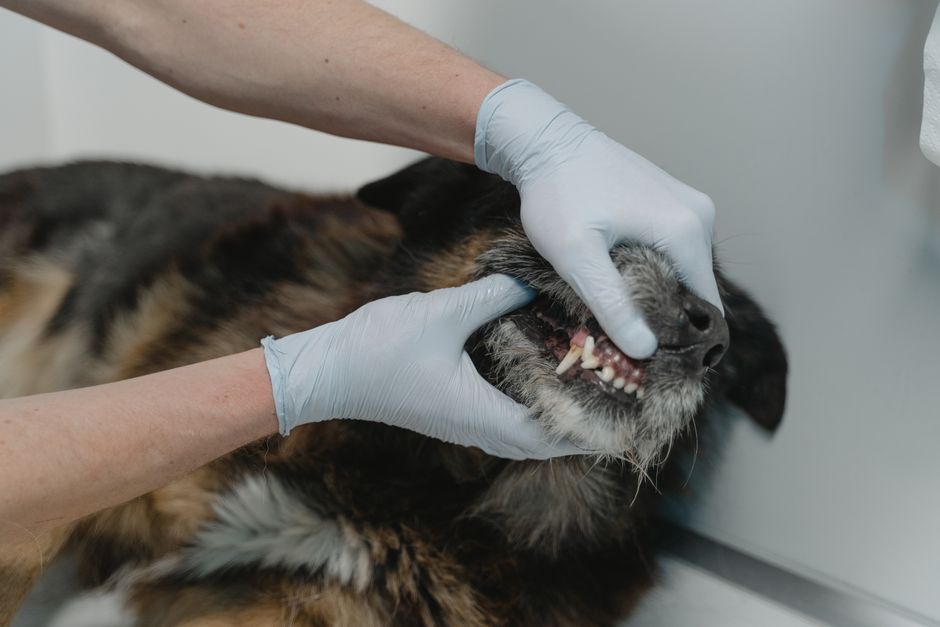
Keep an eye on your puppy’s mouth by regularly lifting their lips and checking for signs of retained baby teeth, swelling, redness, or abnormal odor. If you notice bleeding that does not resolve, significant swelling, or teeth that seem out of place, these may indicate a need for veterinary evaluation. Regular dental checkups play a key role in monitoring your puppy’s oral development; your primary care veterinarian can refer you to a specialist if advanced care is needed.
Scheduling a dental cleaning and exam at the right intervals can be an excellent way to catch early problems before they become serious. Our team provides advanced dental assessments and collaborates closely with referring veterinarians to ensure every puppy receives the most appropriate care for their needs.
When to Seek Expert Veterinary Dental Care
Most of the time, losing teeth is a normal and healthy part of puppyhood. However, certain signs indicate the need for professional evaluation by a veterinary dental specialist. Watch for persistent baby teeth that remain after six months of age, adult teeth erupting in abnormal positions, or signs of pain such as crying when eating, avoiding food, or pawing at the mouth. Excessive swelling, bleeding, or discharge from the gums are also concerning and warrant prompt attention.
If your puppy experiences a fractured tooth, severe mouth odor, or you suspect an abnormal bite, it is important to seek care sooner rather than later. Early intervention can prevent long-term complications, such as chronic pain, infection, or permanent bite misalignment. Our team at Florida Veterinary Dental Services is highly experienced in diagnosing and treating these conditions, using the latest techniques and technology available in the field of veterinary dentistry.
If your general veterinarian recommends specialized dental evaluation, or if you are searching for a “dental vet near me” for advanced puppy dental care, we are here to help. Our practice is proud to be a trusted referral destination for complex dental and oral surgical cases in Coral Springs and the surrounding areas.
Supporting Healthy Smiles for Life: Contact Us Today
To summarize, the answer to “do puppies lose teeth” is a resounding yes; it is a normal part of development, but the process deserves attention and care. By understanding dental milestones, supporting your puppy’s oral health at home, and knowing when to seek expert guidance, you set the stage for a lifetime of comfortable, healthy smiles. If you have questions about your puppy’s teething process or notice any signs that give you pause, our team of veterinary dental professionals at Florida Veterinary Dental Services is ready to assist.
When searching for a dental vet near me, look for a practice with specialized expertise and a compassionate approach. We are dedicated to providing advanced dental care for puppies and dogs of all ages, working closely with your primary veterinarian to deliver the highest standard of oral health.
To schedule a consultation or to learn more about our services, contact our team at (954) 396-9660, visit us at 4101 Turtle Creek Drive, Coral Springs, FL 33067, or explore our website for more information. You can also read about our wellness examination and oral malocclusion management services for in-depth details on our specialty care.
Remember, every puppy’s dental journey is unique. With the right support and expert attention, your pet can enjoy a healthy mouth from the very first baby tooth through every stage of life.
This blog is intended for educational purposes only and does not replace professional veterinary advice. If your pet is experiencing symptoms, please consult your veterinarian or a veterinary dental specialist.